完全自主武器

Search documents
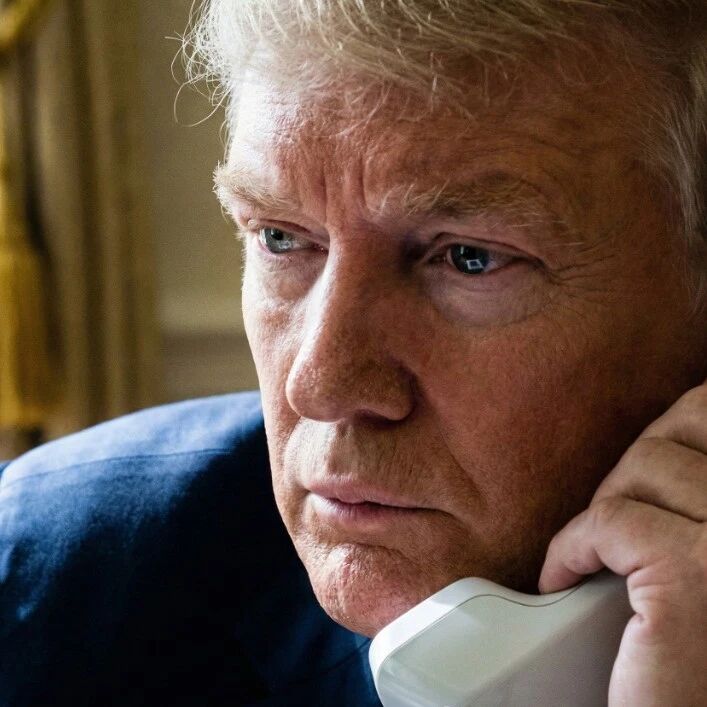
因拒绝五角大楼要求,特朗普下令联邦机构停用Anthropic产品
华尔街见闻· 2026-02-28 04:47
Core Viewpoint - The article discusses the conflict between the U.S. Department of Defense and Anthropic, an AI company, regarding the use of its technology in military applications, highlighting the implications of political influence on technology contracts and the potential impact on the AI industry as a whole [2][3][4]. Group 1: Conflict Overview - On February 27, Trump ordered all U.S. federal agencies to stop using Anthropic's products, citing a need to prioritize constitutional adherence over the company's service terms [2][3]. - The Pentagon identified Anthropic as a supply chain risk, with Defense Secretary Hegseth threatening to terminate a $200 million contract if the company did not comply with demands [4][6]. - Anthropic's CEO, Dario Amodei, stated that the company could not accept the Defense Department's contract terms, which would allow AI models to be used without policy constraints in military applications [6][8]. Group 2: Anthropic's Position - Anthropic maintains two key red lines: its technology cannot be used for mass surveillance of Americans or for fully autonomous weapons [8]. - The company argues that the Pentagon's proposed language appears to be a compromise but could lead to the erosion of these safeguards [8]. - Anthropic's valuation currently stands at $380 billion, and it has a $200 million contract with the military, making it a significant player in the defense sector [9][10]. Group 3: Industry Implications - The situation reflects broader tensions in Silicon Valley, with employees from major tech companies like Amazon and Microsoft advocating against unrestricted military use of AI products [13]. - OpenAI's CEO, Sam Altman, indicated that the company is also negotiating similar restrictions with the Pentagon, aiming to de-escalate the situation [14]. - The article suggests that Trump's intervention has narrowed any potential compromise space, indicating a shift in the dynamics of tech and defense relationships [12].