宗教+商业

Search documents
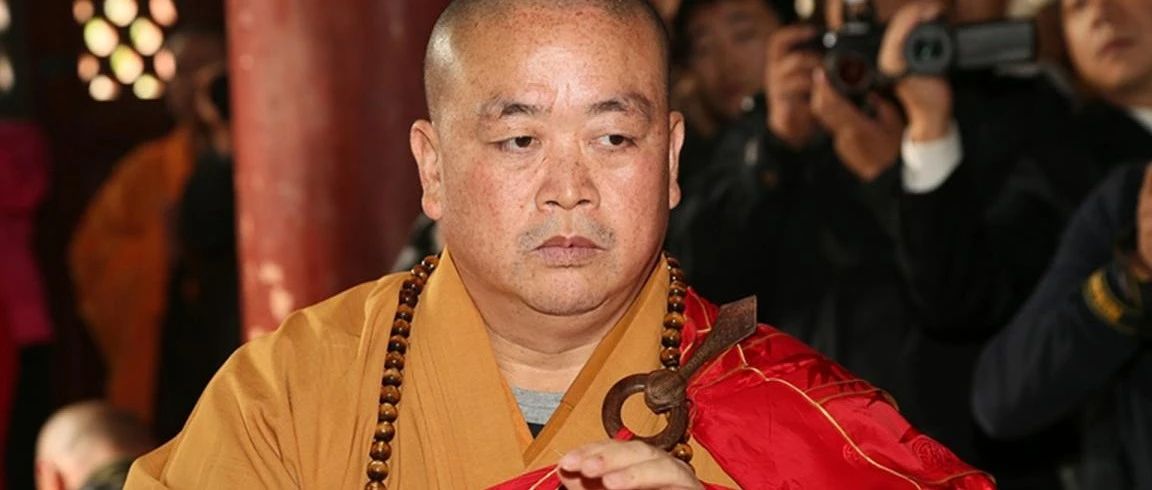
释永信被提起公诉,涉嫌四宗罪
凤凰网财经· 2026-03-20 09:53
Core Viewpoint - The article discusses the legal troubles of Shi Yongxin, the former abbot of Shaolin Temple, who has been prosecuted for embezzlement, misappropriation of funds, and bribery, highlighting the contrast between his successful commercialization of the temple and his current legal issues [1][2]. Group 1: Commercialization of Shaolin Temple - Shi Yongxin transformed Shaolin Temple into a cultural IP valued at billions, engaging in various commercial activities from game licensing to co-branded products [2][3]. - The commercialization process began with the establishment of the Henan Shaolin Intangible Asset Management Co., Ltd. in 2008, which is fully controlled by Shaolin Temple [5][6]. - The company has invested in 14 other firms, focusing on cultural exchanges, performance services, and tourism development, showcasing a diverse business model [6][10]. Group 2: Revenue Streams and Business Model - Shaolin Temple's core revenue comes from cultural tourism, with significant contributions from performances and martial arts training, making it a globally recognized cultural brand [11]. - In 2010, tourism revenue accounted for one-third of Dengfeng's fiscal income, with ticket sales and related experiences generating substantial income [11]. - The temple's health industry initiatives, such as the Shaolin Pharmacy, have also seen success, with sales exceeding 80 million yuan in 2019 [12]. Group 3: E-commerce and Intellectual Property - Shi Yongxin ventured into e-commerce with the launch of the "Shaolin Happy Land" store on Taobao, evolving into a cultural lifestyle brand with significant sales growth [13]. - The temple has applied for 706 trademarks across various sectors, indicating a proactive approach to intellectual property management [13].

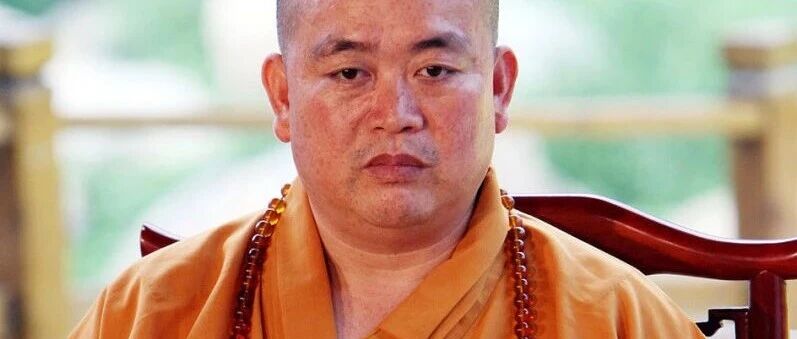
“佛门CEO”释永信的商业版图究竟有多大?
阿尔法工场研究院· 2025-07-30 00:57
Core Viewpoint - The article discusses the commercialization of Shaolin Temple under the leadership of Abbot Shi Yongxin, highlighting both the successes and controversies surrounding this transformation [3][10][25]. Group 1: Background and Leadership - Shi Yongxin has been the abbot of Shaolin Temple for 26 years, transforming it from a dilapidated site into a multi-industry commercial empire spanning culture, tourism, film, and food [10][14]. - The temple's commercialization began with Shi Yongxin's recognition of the importance of brand protection, leading to the establishment of the first company in the Chinese Buddhist community in 1997 [14][19]. Group 2: Commercialization Strategies - Shaolin Temple has developed a diverse range of revenue streams, including cultural tourism, knowledge property operations, and health industries, creating a unique "religion + business" model [19][21]. - The temple's tourism revenue was significant, with ticket sales and related experiences generating over 12 billion yuan in 2019, driven by peak visitor numbers of 4.2 million [20][21]. - The establishment of the Henan Shaolin Intangible Asset Management Company in 2008 became a core platform for managing the temple's commercial activities [16][19]. Group 3: Controversies and Challenges - The commercialization has led to public scrutiny regarding the temple's spiritual integrity, with rising ticket prices and significant investments in commercial real estate raising questions about its original purpose [25][26]. - Allegations against Shi Yongxin include improper relationships and financial misconduct, which have sparked investigations and public debate about the temple's direction [4][25][26]. - The temple's expansion into real estate and high-profile projects, such as plans for hotels and golf courses, has further fueled criticism regarding the blending of faith and profit [26][28].