对标战略

Search documents
“供两个孩子上大学” 小米押注造车与造芯 雷军为何仍陷“内耗”?
Sou Hu Cai Jing· 2025-09-26 09:51
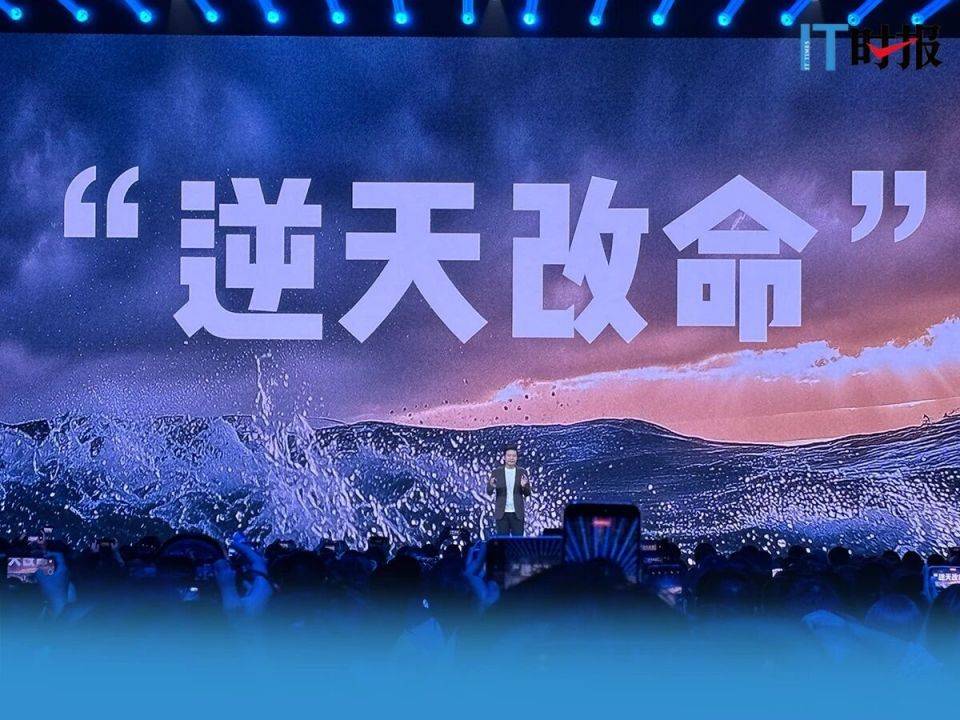
Core Insights - Xiaomi's recent annual presentation highlighted its transformation journey, emphasizing the keyword "change" as central to its strategy over the past five years [2][4] - Founder Lei Jun expressed deep anxiety about the company's competitive position against giants like Apple, Samsung, and Huawei, leading to a strategic pivot towards becoming a "hardcore technology company" [4][9] - The company is investing heavily in two major projects: electric vehicles and semiconductor development, each requiring substantial financial commitment [4][9] Group 1: Strategic Developments - Xiaomi's SU7 Ultra electric vehicle aims to compete with high-performance brands like Porsche and Tesla, boasting impressive specifications such as a 0-100 km/h acceleration in just 1.98 seconds [7] - The SU7 series has seen significant market traction, with over 300,000 units delivered and rapid pre-sale success, indicating strong consumer interest [7][12] - The company is also focusing on semiconductor development, with the upcoming玄戒O1 chip expected to outperform competitors like Apple's A18 Pro in key performance metrics [9][11] Group 2: Market Positioning and Challenges - Xiaomi's strategy includes direct comparisons with Apple's iPhone 17, with the new Xiaomi 17 series designed to align closely with Apple's product lineup [12] - Despite impressive specifications, industry experts question Xiaomi's ability to establish itself as a performance benchmark, citing Tesla's established ecosystem and brand recognition as significant hurdles [7][13] - The market's reaction to Xiaomi's announcements has been cautious, with stock prices declining post-presentation, reflecting investor concerns about the sustainability of its competitive edge [13]