导弹问题

Search documents
张伟团队-伊朗冲突走向何方
2026-03-01 17:22
Summary of Key Points from Conference Call Industry or Company Involved - The discussion revolves around the geopolitical conflict involving the United States, Israel, and Iran, particularly focusing on military actions and negotiations regarding Iran's nuclear capabilities and regional influence. Core Points and Arguments 1. **Differing Objectives of the U.S. and Israel**: The highest goal is regime change in Iran, while the minimum goal is to force Iran back to negotiations under unfavorable conditions through military action [1][2][3] 2. **Iran's Core Demands**: Iran seeks to retain its right to peaceful nuclear energy and refuses to link its missile capabilities and regional influence to negotiations [1][3][4] 3. **Military Strategies**: Israel focuses on long-range airstrikes to destroy Iranian missile facilities, while the U.S. aims to create a military encirclement using naval forces [1][4][5] 4. **Negotiation Stalemate**: The core disagreement in U.S.-Iran negotiations centers on three issues: nuclear capabilities, missile development, and Iran's connections to regional militant groups [4][5] 5. **Israel's Urgency**: Israel is more aggressive in pushing for simultaneous resolution of all three issues, fearing that failure to address missile and regional influence will leave it vulnerable [3][5] 6. **Military Action as Leverage**: The U.S. hopes military action will shift the internal power balance in Iran, creating conditions for future negotiations [2][3] 7. **Potential Outcomes of Conflict**: Even with regime change, the three core issues are unlikely to resolve automatically, necessitating continued negotiations [6][7] 8. **Post-War Political Arrangements**: The U.S. envisions a governance structure in Iran that balances power among various factions without reverting to strongman rule [7][8] 9. **Economic Implications**: The conflict's impact on oil prices is significant, with OPEC+ expected to respond to rising prices due to geopolitical tensions [15][17] 10. **Cost of War**: Historical data from previous conflicts indicates that prolonged military engagement could impose significant financial burdens on the U.S. [16][17] 11. **Domestic Political Pressures**: The U.S. faces internal pressures that may compel a swift resolution to the conflict, particularly in light of upcoming elections [11][17] 12. **Iran's Internal Dynamics**: The potential for civil unrest in Iran exists, with various factions possibly vying for power in the event of regime change [18][22] Other Important but Possibly Overlooked Content 1. **Risk of Prolonged Conflict**: The potential for a drawn-out conflict could lead to significant instability in the region, affecting global markets and U.S. interests [21][22] 2. **Indicators to Monitor**: Key indicators include the status of the Strait of Hormuz and oil price fluctuations, which could signal broader geopolitical shifts [19][20] 3. **Long-Term Strategic Goals**: The U.S. aims to reshape the Middle East security order, but failure to resolve the Iran issue could hinder these objectives [21][22]
伊朗:不会放弃铀浓缩和导弹
财联社· 2026-02-08 04:31
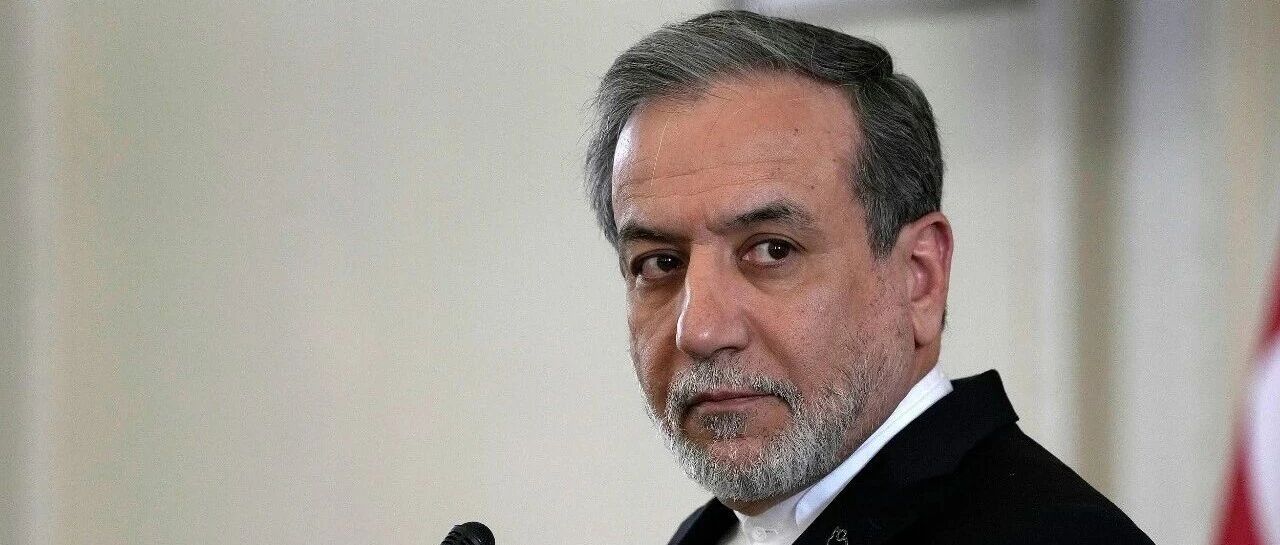
Group 1 - The core viewpoint of the article emphasizes that Iran will not abandon uranium enrichment or negotiate on its missile program during talks with the United States [1] - Iran's Foreign Minister, Zarif, indicated that the possibility of war remains, and Iran is prepared for such a scenario [1] - In the event of a U.S. military strike, Iran lacks the capability to attack the U.S. mainland but would target U.S. military bases in the Middle East, potentially escalating the conflict in the region [1]

伊朗称不会放弃铀浓缩和导弹
Mei Ri Jing Ji Xin Wen· 2026-02-08 03:00
Core Viewpoint - Iran's Foreign Minister, Zarif, stated that Iran will not abandon uranium enrichment or negotiate on its missile program during talks with the United States, indicating a firm stance in ongoing negotiations [1] Group 1 - Iran is prepared for the possibility of war, emphasizing that the threat of military conflict remains [1] - In the event of a U.S. military strike, Iran lacks the capability to attack the U.S. mainland but would target U.S. military bases in the Middle East, potentially escalating regional tensions [1]
伊朗称与美国为缓和紧张局势所进行的谈判“开局良好”
Xin Lang Cai Jing· 2026-02-06 16:28
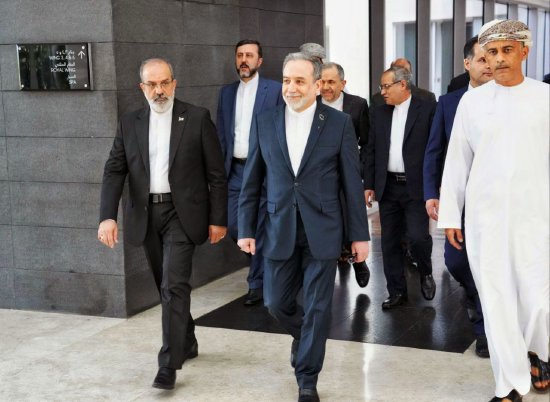
Core Viewpoint - Iran and the United States have agreed to continue indirect talks to ease tensions and avoid military confrontation, with Iran describing the initial discussions as positive [1][3]. Group 1: Negotiation Details - The talks took place in Muscat, Oman, with Iranian Foreign Minister Abbas Araghchi stating that the discussions had a good start and could lead to a framework for future talks if the process continues positively [1][4]. - The discussions are strictly focused on nuclear issues, which Iran has consistently maintained as its position, while U.S. officials suggest that the talks should also address Iran's missile program and support for regional militia groups [1][4]. Group 2: Market Reactions - Following the positive statements from the talks, oil prices fell, with Brent crude oil dropping below $67 per barrel before narrowing its losses; oil prices have increased by approximately 12% this year, primarily due to market concerns over potential new conflicts in the Middle East [1][4]. Group 3: Diplomatic Engagement - During the negotiations, Omani Foreign Minister Badr Albusaidi held multiple separate meetings with both the Iranian delegation led by Araghchi and the U.S. team, which included Special Envoy Steve Wittekoff and Jared Kushner, son-in-law of President Donald Trump [1][4].