小折叠手机

Search documents
苹果救得了小折叠吗?
创业邦· 2025-12-19 03:50
Core Viewpoint - The article discusses the anticipated entry of Apple into the foldable smartphone market, highlighting the challenges and market dynamics surrounding small foldable devices, particularly in comparison to traditional smartphones and larger foldable models [6][8][19]. Group 1: Apple's Foldable Smartphone Development - Apple has been working on foldable smartphone technology since at least 2011, focusing on addressing the issue of screen creases, which has been a significant barrier to market entry [9][11]. - Recent leaks suggest that Apple's first foldable iPhone will adopt a small flip design, similar to Huawei's Pura X, but with a more square aspect ratio [6][8]. - The company has developed various hinge designs to improve the folding mechanism, but achieving the desired results has proven difficult, leading to delays in product launch [13][14]. Group 2: Market Dynamics of Small Foldable Phones - Small foldable phones have struggled to gain traction in the market, with sales significantly lagging behind larger foldable models. In China, small foldable shipments are projected to be less than half of those for large foldables in 2024 [21][22]. - The lack of differentiation in functionality compared to traditional smartphones and the inability to command higher profit margins have hindered the success of small foldable devices [21][26]. - The additional costs associated with the unique components of small foldable phones, such as hinges and flexible screens, have led to lower profitability for manufacturers [29]. Group 3: Competitive Landscape and Manufacturer Strategies - Several manufacturers, including OPPO and vivo, have either paused or discontinued their small foldable phone development due to poor sales performance, while others like Xiaomi and Honor continue to explore this segment [31][32]. - Huawei has shifted its strategy by introducing the Pura X, which aims to enhance functionality through a larger display area, indicating a trend towards improving the utility of small foldable devices [38][40]. - Apple's brand strength may allow it to overcome pricing challenges in the small foldable market, but past experiences with products like the iPhone Air suggest that aesthetic appeal alone may not drive sales [40][41].



苹果救得了小折叠吗?
36氪· 2025-12-18 13:51
Core Viewpoint - The article discusses Apple's entry into the foldable smartphone market, highlighting the challenges and potential of the small foldable phone segment, which has struggled to gain traction despite the hype surrounding it [5][19]. Group 1: Apple's Foldable Phone Development - Apple has been working on foldable phone technology since at least 2011, focusing on addressing the issue of screen creases, which has been a significant barrier to market entry [9][11]. - Recent leaks suggest that Apple's first foldable phone will adopt a small flip design, similar to Huawei's Pura X, but with a more square aspect ratio [5][8]. - Apple's extensive patent portfolio has influenced competitors, with many companies referencing Apple's designs in their own foldable technology [12][11]. Group 2: Market Dynamics of Small Foldable Phones - The small foldable phone market has not achieved significant sales, with projections indicating that in 2024, shipments of small foldables in China will be less than half of those of large foldables [21][19]. - Key issues for small foldables include a lack of functional differentiation from traditional smartphones and lower profit margins for manufacturers [22][30]. - The design of small foldables often compromises internal space and battery life, leading to inferior specifications compared to traditional flagship models [23][26]. Group 3: Competitive Landscape and Consumer Perception - Many manufacturers, including OPPO and vivo, have either paused or exited the small foldable market due to poor sales performance, while Samsung remains a dominant player [38][39]. - Consumer preferences still lean heavily towards functionality over aesthetics, making it difficult for small foldables to justify their price points [41][43]. - Apple's brand strength may allow it to navigate pricing challenges better than competitors, but past experiences with products like the iPhone Air suggest that design alone may not drive sales [46][49].
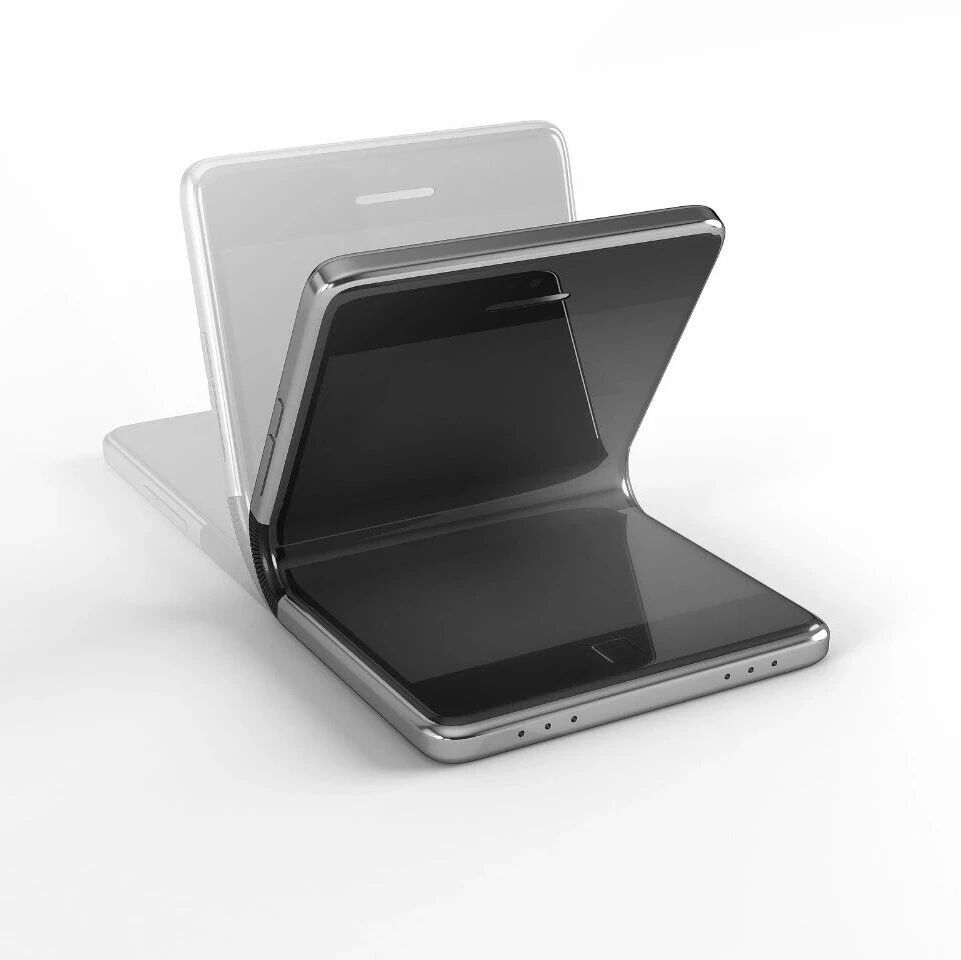
小折叠手机还有救吗?
远川研究所· 2025-12-17 13:12
Core Viewpoint - The article discusses the challenges and market dynamics surrounding the foldable smartphone segment, particularly focusing on Apple's upcoming foldable iPhone and its potential impact on the market [5][6]. Group 1: Apple's Entry into Foldable Market - Apple has been cautious about entering the foldable smartphone market, missing the rapid growth phase but now appears ready to launch its first foldable iPhone, which is expected to resemble Huawei's Pura X in design [6][9]. - The foldable iPhone has been in development for over a decade, with patents dating back to 2011, primarily focusing on addressing the issue of screen creases [10][11]. - Apple's design approach includes innovative hinge mechanisms and materials aimed at minimizing creases, but the product has faced delays due to technical challenges [14][17]. Group 2: Market Dynamics of Small Foldable Phones - Small foldable phones have struggled to gain traction in the market, with sales in China projected to be less than half of larger foldable models in 2024 [20][26]. - Key issues for small foldable phones include a lack of functional differentiation from traditional smartphones and limited profit margins for manufacturers [20][26]. - The additional components required for small foldable phones, such as hinges and flexible screens, increase production costs, making it difficult for manufacturers to maintain profitability [28][30]. Group 3: Competitive Landscape and Consumer Preferences - The competitive landscape shows that many manufacturers, including OPPO and vivo, have either exited or reduced their focus on small foldable phones due to poor sales performance [30][31]. - Consumer preferences lean heavily towards functionality and performance, with aesthetic design alone failing to justify the higher price points of small foldable devices [32][35]. - Apple's brand strength may allow it to navigate pricing challenges better than competitors, but past experiences with products like the iPhone Air suggest that design alone may not drive sales [37][38].

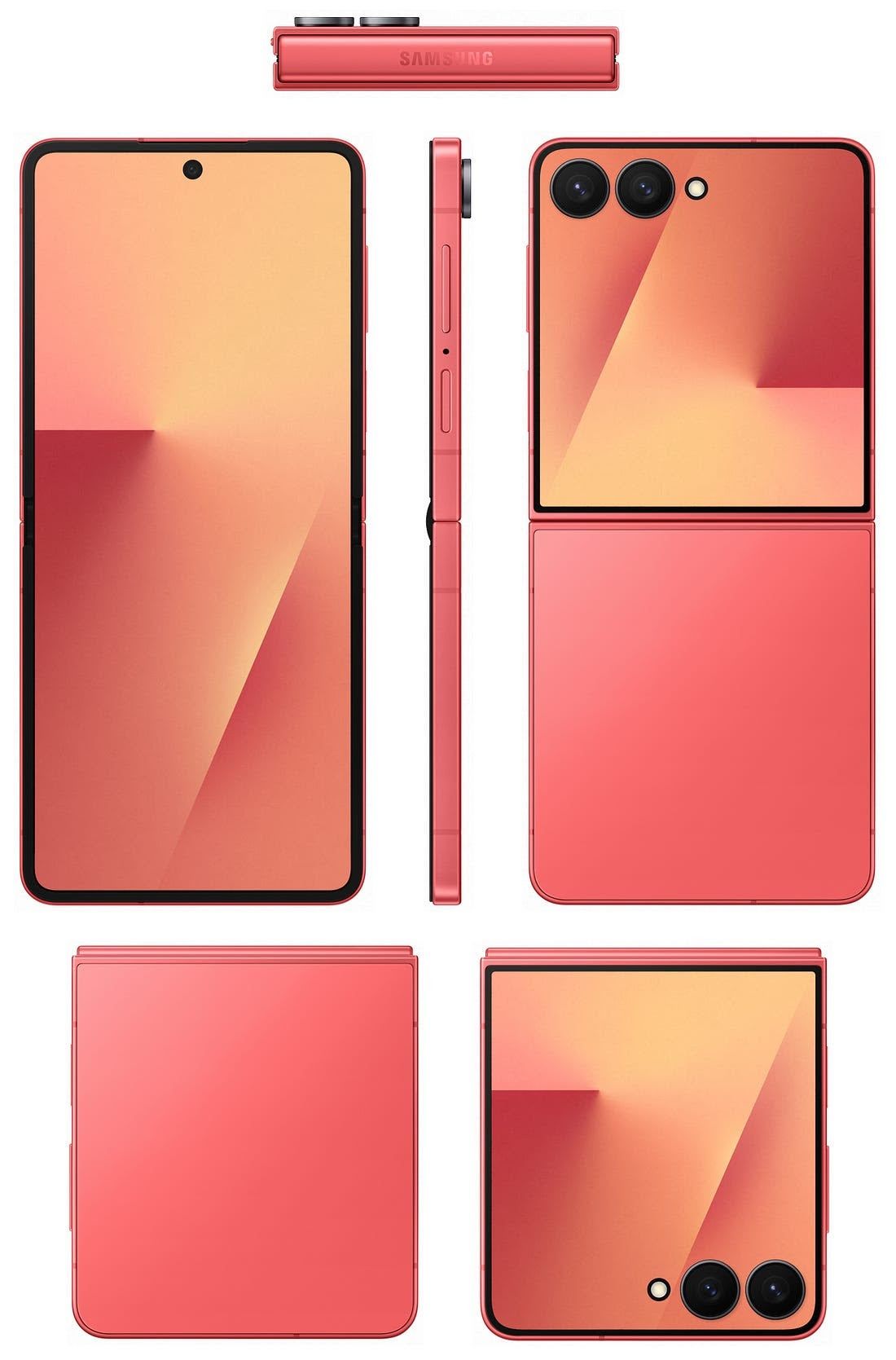
三星 Galaxy Z Flip7 / FE 折叠手机渲染图曝光
Xin Lang Cai Jing· 2025-06-24 08:14
Core Viewpoint - Samsung is set to launch the Galaxy Z Flip7 and Galaxy Z Flip7 FE, featuring significant design and performance upgrades aimed at enhancing market competitiveness and appealing to younger consumers [1]. Group 1: Product Features - The Galaxy Z Flip7 features a redesigned outer screen that resembles the Motorola Razr Ultra, moving away from the traditional "clamshell" display design [1]. - The device is optimized for size and weight, making it thinner than its predecessor, the Galaxy Z Flip6, while maintaining a lightweight advantage [1]. - It is powered by the "Snapdragon 8 Gen 2 for Galaxy" chip, with a Prime core frequency of 4.47GHz, outperforming the standard Snapdragon 8 Elite [1]. - The camera system includes a 50MP main camera and a 12MP ultra-wide camera, with improved shooting experience through algorithm optimization, while the battery capacity remains at 4000mAh [1]. Group 2: Pricing and Market Strategy - The Galaxy Z Flip7 FE targets younger consumers with a more affordable price point, expected to be around 1 million KRW (approximately 5,261 RMB), which is about 30% lower than the anticipated price of the Z Flip7 at 1.485 million KRW (approximately 7,813 RMB) [1]. - The Z Flip7 FE will offer limited storage options of 128GB and 256GB, maintaining similar camera and battery specifications as the Z Flip6 [1].