峇峇娘惹文化

Search documents
专访丨期待携手中国深化城市文保与发展合作——访马来西亚马六甲历史城区(鸡场街)工委会主席颜天禄
Xin Hua She· 2025-11-30 07:11
Core Insights - The chairman of the Malacca Historical City (Jonker Street) Committee, Yian Tianlu, expressed the desire for deeper cooperation between Malaysia and China in the preservation and development of historical urban areas, drawing inspiration from Nanjing's experience in protecting its ancient city walls [1][2] Group 1: Urban Heritage Preservation - Yian highlighted Nanjing's ancient wall protection as a model for Malacca, emphasizing the potential for collaboration in heritage conservation between the two cities [1] - The preservation of the traditional residential area of Xiaoxihu in Nanjing, which integrates intangible cultural heritage workshops and addresses local residents' living challenges, serves as a sustainable model for Malacca's urban renewal efforts centered around Jonker Street [2] Group 2: Cultural and Historical Connections - Malacca and Nanjing share a strong historical connection through the Maritime Silk Road, with significant potential for collaboration in researching Zheng He culture and protecting the Baba Nyonya and Jinling cultures [2] - Malacca has established friendly relations with 31 historical cultural districts in China, including Nanjing's Confucius Temple and Qinhuai Scenic Area, and plans to enhance cooperation with Haikou in cultural tourism, trade, and heritage protection [2] Group 3: Ecological and Technological Insights - Yian expressed admiration for Nanjing's ecological initiatives, particularly in endangered species protection, and noted that Malaysia could learn from China's practices in ecological restoration and monitoring [3] - There is potential for deeper exchanges between Malaysia and China in smart city development, AI applications, and green technologies, as many Chinese cities are advancing towards intelligent development [3] Group 4: Cultural Exchange and Peace Promotion - Malacca, as a multicultural historical city, plays a vital role in promoting peace and cultural exchange, embodying the spirit of harmony advocated by Zheng He during his maritime expeditions [3]
丝路上的文化交融:在北京领略“峇峇娘惹的世界”
Xin Hua Wang· 2025-05-30 16:27
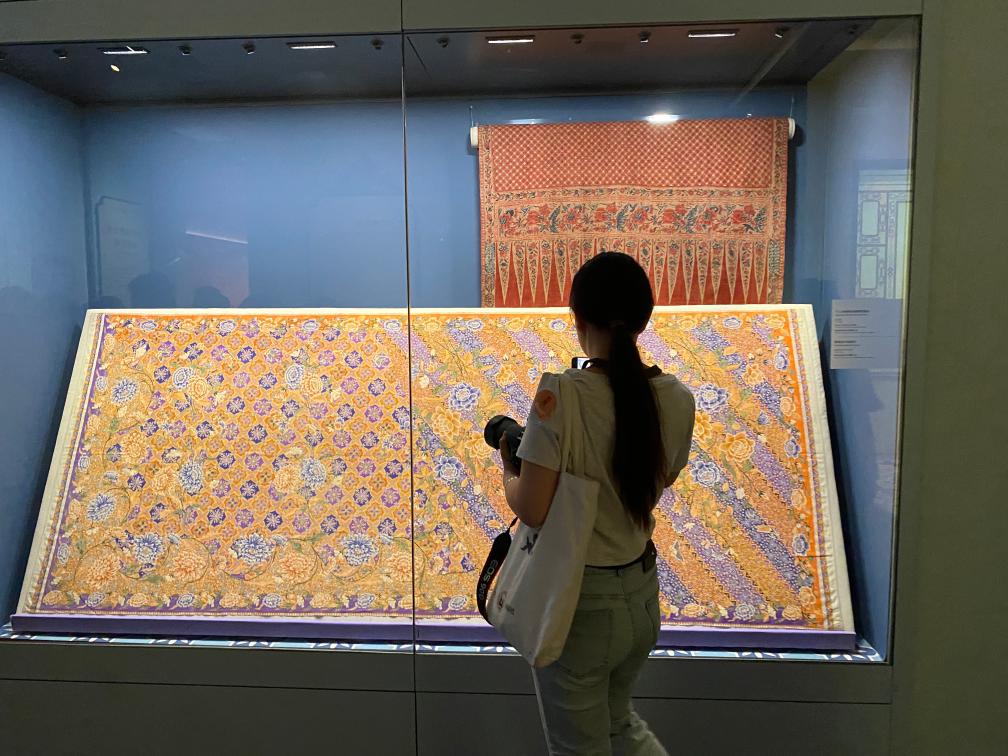
Core Viewpoint - The exhibition "The World of Baba Nyonya: Baba Nyonya Culture along the Maritime Silk Road" opened in Beijing, showcasing 132 valuable artifacts from Singapore's Asian Civilisations Museum and Peranakan Museum, highlighting the cultural integration of the Baba Nyonya community [1] Group 1: Exhibition Overview - The exhibition features multimedia interactions and scene recreations to illustrate the development and cultural essence of the Baba Nyonya community [1] - The exhibition includes a "tropical rainforest" display that evokes the aromas of Nyonya cuisine, immersing visitors in the vibrant world of Baba Nyonya culture [1] Group 2: Cultural Significance - Baba Nyonya culture originated from Chinese immigrants who settled in Southeast Asia, blending with local communities to create a unique cultural identity [1] - The male members are referred to as "Baba" and the females as "Nyonya," contributing to a rich material and spiritual culture that has influenced local social development [1] Group 3: Exhibition Design - The exhibition design includes relatable visiting routes, with sections resembling a "living room" for lifestyle content and a "bedroom" for marriage customs and attire [2] - The "living room" area is popular for photo opportunities, featuring decor that connects the Baba Nyonya long table banquet with Chinese cultural traditions [2] Group 4: Artifacts and Cultural Practices - Significant artifacts include beaded shoes, which are essential dowries for Nyonya brides, and decorative fabrics believed to be part of wedding bedding [4] - The exhibition showcases various traditional clothing items, such as the kebaya and batik sarong, representing the diverse expressions of Baba Nyonya culture [4] - The exhibition also highlights ancestral worship practices, with displays of home altars that reflect the continuation of Chinese ancestral traditions [5]

“峇峇回来了”系列活动传续新加坡华人情缘
Ren Min Ri Bao Hai Wai Ban· 2025-05-28 01:52
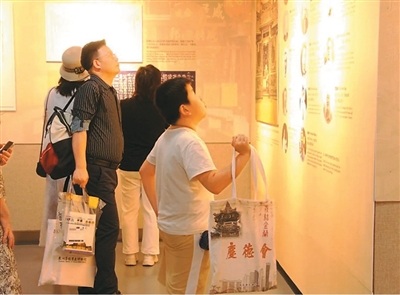
Core Viewpoint - The "Baba is Back" series of events held at the Quanzhou Overseas Chinese Historical Museum aims to promote the unique Baba-Nyonya culture, which has developed from the intermarriage of Chinese immigrants and local residents in Southeast Asia since the 15th century [1] Group 1: Event Overview - The series includes a thematic exhibition on the Singapore Qingde Association, a lecture on Singapore's overseas Chinese history, the opening of the "Ya·Xifan" cultural creative station, and hands-on experiences with Nyonya attire [1] - These immersive and interactive cultural experiences aim to disseminate the rich history and cultural resources of overseas Chinese to a broader audience [1] Group 2: Historical Context - Quanzhou, as the eastern starting point of the ancient Maritime Silk Road, has a long-standing relationship with Singapore, dating back to the Song and Yuan dynasties, where trade links were established [2] - The exhibition "Mutual Support - The Story of the Singapore Qingde Association" traces nearly 200 years of the association's development and cultural heritage through four main chapters [2] Group 3: Cultural Significance - The mutual aid spirit and public welfare virtues embodied by the Qingde Association serve as important spiritual wealth connecting Quanzhou and Singapore [3] - The historical lecture titled "Exploration and Discovery - The Two-Hundred-Year Code of the Qingde Association" delves into the association's origins, management philosophy, and current status, revealing its historical significance [3]