
工业机器人应用

Search documents
柳州优必选第1000台工业人形机器人下线
Zheng Quan Shi Bao Wang· 2025-12-26 02:50
Core Viewpoint - The successful rollout of the 1000th industrial humanoid robot, Walker S2, by UBTECH marks a significant milestone in the company's production capabilities and its entry into various industrial applications [1] Group 1: Company Developments - UBTECH's Walker S2 has successfully come off the production line in Liuzhou on December 26 [1] - The industrial humanoid robots are now operational on the Dongfeng Liuzhou Automobile production line, performing tasks such as material handling, feeding, and sorting [1] - There are plans for the robots to expand into more industrial manufacturing applications in the future [1]

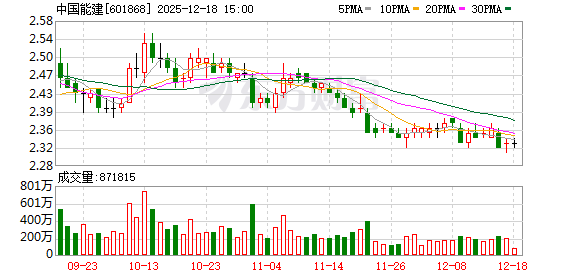
中国能建:目前公司应用工业机器人比较普遍
Zheng Quan Ri Bao· 2025-12-18 12:41
Group 1 - The company, China Energy Engineering Corporation (China Energy), has widely adopted industrial robots in its operations, particularly in engineering construction and equipment manufacturing [2] - The application of intelligent construction equipment, intelligent warehousing robots, welding robots, and intelligent inspection robots has reached a mature stage within the company [2] - China Energy is also engaged in the research and development of related industrial robots [2]


工业机器人普及,低技能农民工何去何从
Hu Xiu· 2025-07-02 12:25
Core Viewpoint - The application of industrial robots is significantly impacting the health of low-skilled migrant workers in China, necessitating a deeper understanding of the associated social costs and health implications [1][4][11]. Group 1: Industrial Robots and Labor Health - The 2023 Central Economic Work Conference emphasizes the importance of safety production responsibility, encouraging companies to create a better working environment for laborers [1]. - Industrial robots are primarily developed to replace laborers in physically demanding and hazardous tasks, which is particularly relevant for low-skilled migrant workers in China [1][5]. - The application of industrial robots is identified as a crucial factor affecting the health of low-skilled migrant workers, with various channels through which this impact occurs [5][9]. Group 2: Research Findings and Methodology - The study utilizes CFPS data and regional data, employing a dual fixed-effect model to identify the short-term impacts of industrial robot applications on the health of low-skilled migrant workers [6][7]. - The research explores the dynamic effects of industrial robot applications on different health-related variables and discusses potential health inequalities arising from these applications [7][10]. Group 3: Conclusions and Policy Recommendations - Overall, the application of industrial robots is found to have a short-term negative impact on the physical and mental health of low-skilled migrant workers, highlighting significant hidden social costs [11]. - The negative effects on health are closely related to factors such as age, parental status, housing loan burdens, and industry of employment [11]. - Recommendations include accelerating income redistribution and healthcare system reforms, implementing differentiated policies based on the characteristics of low-skilled migrant workers, and enhancing coordination among stakeholders [12][13][14].