工业遗产保护与再利用

Search documents
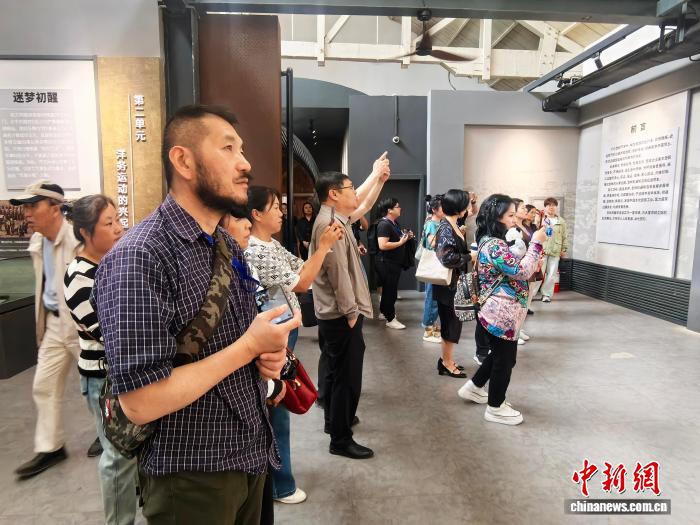
百年机床前的驻足:海外华媒吉林见证工业遗产“新生”
Zhong Guo Xin Wen Wang· 2025-09-14 03:26
Core Viewpoint - The article highlights the historical significance and contemporary relevance of the Jilin Machine Manufacturing Bureau, showcasing its transformation into a cultural and industrial heritage site that reflects the shared industrial history between China and Czech Republic [1][2]. Group 1: Historical Significance - The Jilin Machine Manufacturing Bureau, established in 1881, is recognized as the earliest modern industrial institution in Northeast China and played a crucial role during the Qing Dynasty in strengthening military capabilities against Russian invasions [2]. - The facility was the largest and most technologically advanced arms factory in the region during the Self-Strengthening Movement, indicating its historical importance in China's industrial development [2]. Group 2: Cultural Exchange and Industrial Development - The visit by representatives from overseas Chinese media, including Czech media, emphasizes the shared industrial heritage and development paths of Jilin City and Czech Republic, particularly in the context of revitalizing old industrial areas [2]. - The exhibition features artifacts such as the 1890 "Kali Gun," which reflects both European design influences and local adaptations, symbolizing the interconnectedness of industrial evolution between the two regions [2]. Group 3: Heritage Preservation and Future Plans - Jilin City is planning to transform industrial relics from the "First Five-Year Plan" era into a comprehensive project that combines industrial museums, cultural creativity, and leisure tourism, demonstrating a commitment to cultural empowerment through industrial heritage [4]. - The article underscores the importance of protecting industrial heritage as a shared human legacy, with the aim of preserving collective memory and fostering cultural tourism [4].

功能转换、业态升级、场景营造 工业遗产焕新貌释放经济新增长点
Yang Shi Wang· 2025-06-04 06:24
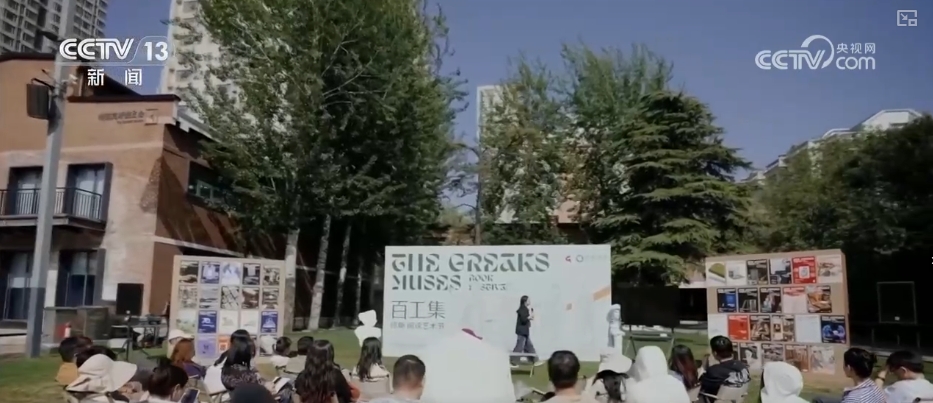
Core Viewpoint - The article discusses the importance of preserving and repurposing industrial heritage in urban development, highlighting successful examples in Shandong and Jiangxi provinces, where old factories have been revitalized into cultural and commercial hubs [1][5][11]. Group 1: Urban Renewal Projects - The "579 Baigongji" park in Jinan has transformed from a former trading market into a cultural and tourism consumption area, with over 50 merchants signed up [1][5]. - Jinan's urban renewal strategy involves small-scale, incremental updates rather than large-scale demolitions, aiming to enhance local infrastructure while preserving historical and cultural heritage [3][7]. - The East Lake Yiku project in Nanchang retains 90% of its original buildings while utilizing a micro-renewal approach to revitalize the area [9][11]. Group 2: Economic and Cultural Impact - The implementation of urban renewal policies is expected to reshape cities physically and create broader domestic demand for economic growth [11][13]. - Experts emphasize that updating old districts and factories is crucial for enhancing urban vitality and stimulating new economic growth through functional transformation and new consumption spaces [13][16]. - In Shijiazhuang, the renovation of the Cotton No. 1 and No. 2 factory sites has created a new urban space combining cultural experiences, trendy consumption, and art performances [16][17]. Group 3: Future Directions - Nanchang has completed upgrades on 13 old factory areas, covering approximately 986 acres, and plans to systematically assess and revitalize industrial heritage and underperforming industries [21][23]. - The approach of integrating historical elements into new developments is becoming a common practice across various regions, aiming to meet the cultural and recreational needs of the younger population [19][21].