工艺标准化

Search documents
光启技术:公司“量产2.0”体系涵盖工艺标准化等多个方面
Zheng Quan Ri Bao· 2025-11-24 09:08
Core Viewpoint - The company has initiated the "Mass Production 2.0" system to enhance production efficiency and quality, which is being implemented at its Shunde base to ensure timely delivery for the year [2] Group 1: Production System Enhancements - The "Mass Production 2.0" system includes standardized processes, optimized production efficiency, automation of key operations, and digital quality tracking [2] - Upgrades and modifications for the "Mass Production 2.0" system have been progressively carried out in various workshops at the Shunde base since the beginning of this year [2] Group 2: Quality and Efficiency Improvements - Significant improvements have been observed in the stability and consistency of multiple process parameters, leading to enhanced quality consistency and delivery efficiency [2] - As the system matures, the company plans to gradually extend the implementation to other bases, creating standardized and replicable production units [2] Group 3: Future Production Capacity - The establishment of standardized production units is aimed at providing support for larger-scale mass production projects in the future [2]


三步核心技术+供应链革命:2025热干面餐饮创业黄金赛道新机遇
Sou Hu Cai Jing· 2025-03-25 14:01
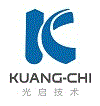
Core Insights - The article discusses the transformation of hot dry noodles into a technology-driven industry with a market size exceeding 30 billion yuan by 2025, highlighting opportunities for entrepreneurs in a competitive restaurant sector [1][3]. Group 1: Technology and Production Techniques - The production of alkaline noodles, essential for hot dry noodles, involves a precise process called "three boils and three cools," ensuring optimal texture and flavor [4][6]. - The sesame sauce, a key flavor component, is crafted using a specific ratio of yellow and white sesame seeds, enhancing aroma and taste through traditional methods [8]. - The scientific pairing of condiments, including pickled vegetables and chili oil, is designed to elevate the flavor profile and meet diverse consumer preferences [10]. Group 2: Market Opportunities and Consumer Demand - The hot dry noodle market caters to various meal occasions, with an average price range of 7-12 yuan and daily sales of approximately 150 bowls, leading to monthly revenues exceeding 30,000 yuan [12]. - Cultural elements, such as viral challenges on social media, have increased brand value by 30%, showcasing the potential for market growth [12]. Group 3: Standardization and Supply Chain Innovations - Standardized production processes enable consistent quality and reduce skill disparities, allowing even novices to replicate authentic flavors [16][19]. - Initial investment for small shops ranges from 50,000 to 100,000 yuan, with potential profits illustrated by case studies showing net profits exceeding 100,000 yuan within three months [17][23]. - The supply chain revolution led by companies like Wenshici integrates raw material supply, production, and distribution, ensuring a stable and authentic product [19][23]. Group 4: Competitive Advantages - Wenshici's comprehensive service model includes standardized recipes and free technical training, significantly lowering operational costs and time for new entrants [23]. - The company’s focus on quality ingredients and traditional methods results in a product that maintains flavor consistency and visual appeal, achieving 98% taste stability [21][23]. - Successful case studies from various locations demonstrate the viability and profitability of hot dry noodle businesses, reinforcing the market's potential [23][25].