快餐

Search documents
8元蛋挞“偷袭”肯德基,麦当劳打的什么算盘?两大快餐巨头的场景与客流暗战
东京烘焙职业人· 2026-03-31 08:41
Core Viewpoint - The article discusses the competitive dynamics between McDonald's and KFC, particularly focusing on McDonald's recent introduction of egg tarts, which directly challenges KFC's long-standing dominance in this product category [6][50]. Group 1: McDonald's Strategy - McDonald's has quietly tested egg tarts in select locations, pricing them at 8 yuan each and 29.9 yuan for a pack of six, undercutting KFC's prices by 0.5 yuan per tart and nearly 10 yuan for the pack [4][14]. - The introduction of egg tarts is seen as a strategic move to capture market share from KFC, targeting existing customer flows and high-margin segments [7][25]. - McDonald's pricing strategy aims to disrupt consumer habits and encourage trial, leveraging the high profit margins associated with egg tarts, which can exceed 60% [28][14]. Group 2: KFC's Market Position - KFC's egg tart sales reached over 600 million units in 2023, generating approximately 3 billion yuan in revenue, making it a key product for the brand [18][20]. - The egg tart has evolved into a significant traffic driver for KFC, with many customers specifically visiting for this item, showcasing a unique consumer behavior where desserts lead to main course purchases [20][21]. - KFC's brand loyalty and consumer memory built over 20 years create a formidable barrier for competitors like McDonald's, making it challenging for them to attract KFC's loyal customer base [22][41]. Group 3: Market Dynamics and Challenges - The fast-food industry is experiencing intense competition, particularly in the main meal segment, leading to price wars and reduced profit margins [26][30]. - McDonald's entry into the egg tart market is not just about product introduction but also about addressing its own business weaknesses and tapping into the growing demand for desserts [29][33]. - Despite the potential for high profits in the egg tart market, McDonald's faces significant challenges, including product differentiation and overcoming KFC's entrenched brand loyalty [39][40]. Group 4: Insights for Entrepreneurs - The competition between McDonald's and KFC serves as a case study for the importance of strategic product extension and market positioning in the restaurant industry [43]. - Entrepreneurs should avoid blindly entering established markets without a clear competitive advantage, focusing instead on unique selling propositions [45]. - Building a diverse product matrix can enhance resilience against market fluctuations, as seen with McDonald's broader menu offerings supporting its new product trials [46][48].


8元蛋挞“偷袭”肯德基,麦当劳打的什么算盘?两大快餐巨头的场景与客流暗战
东京烘焙职业人· 2026-03-30 11:50
Core Viewpoint - The article discusses the competitive dynamics between McDonald's and KFC, particularly focusing on McDonald's recent introduction of egg tarts, which directly challenges KFC's long-standing dominance in this product category [4][5][8]. Group 1: McDonald's Strategy - McDonald's quietly tested egg tarts in select cities, pricing them at 8 yuan each and 29.9 yuan for a pack of six, undercutting KFC's prices [5][10]. - The pricing strategy aims to disrupt consumer habits and attract KFC's core customers by offering a more affordable option [15][16]. - McDonald's entry into the egg tart market is seen as a strategic move to capture a share of the high-margin dessert segment, which contrasts with the saturated main meal market [27][30]. Group 2: KFC's Market Position - KFC's egg tart sales reached over 600 million units in 2023, generating approximately 3 billion yuan in revenue, establishing it as a key product for the brand [19]. - The egg tart has become a significant traffic driver for KFC, with many customers specifically visiting for this item, showcasing its strong brand loyalty [21][22]. - KFC's long-term brand equity and consumer memory associated with its egg tarts create a formidable barrier for competitors like McDonald's [22][24]. Group 3: Challenges for McDonald's - McDonald's faces challenges in differentiating its egg tarts from KFC's offerings due to the high level of product homogeneity in the baking industry [37][40]. - The entrenched consumer preference for KFC's egg tarts, built over 20 years, poses a significant hurdle for McDonald's to overcome, as price alone may not sway loyal customers [41][42]. - KFC's promotional strategies, such as special discounts, further complicate McDonald's efforts to gain market share without sacrificing its profit margins [43]. Group 4: Insights for the Industry - The competition between McDonald's and KFC highlights the importance of strategic product differentiation and understanding consumer behavior in the restaurant industry [44]. - New entrants should carefully assess their unique value propositions before entering established markets dominated by major players [46]. - A diversified product matrix can provide resilience against market fluctuations, as seen with McDonald's existing offerings supporting its new egg tart initiative [47].
碾压麦肯的“汉堡之王”,营收近百亿,却悄悄退市?
东京烘焙职业人· 2026-03-20 08:33
Core Viewpoint - Wallace, a representative of the ultra-downward fast food segment in China, has chosen to delist from the New Third Board despite having 300 million in cash and significant profit growth, raising questions about its strategic direction in the capital market [3][5][12]. Group 1: Company Overview - Wallace has established itself as a unique player in the fast food industry, boasting 20,000 stores and significant market share, with revenue approaching 10 billion in 2024 [5][6]. - The company is often referred to as the "King of Chinese Hamburgers" and has consistently outperformed competitors like KFC and McDonald's in terms of store count [5][6]. Group 2: Delisting Reasons - The delisting from the New Third Board is primarily a capital-level change and does not affect the normal operation of its physical stores [3][5]. - The New Third Board has seen a decline in the number of listed companies, averaging a reduction of 354.4 companies annually since 2020, indicating a challenging environment for businesses [6][9]. - The New Third Board's low liquidity and limited financing capabilities make it less attractive compared to main boards like A-shares and Hong Kong stocks, which offer better valuation and financing options [7][8][9]. Group 3: Strategic Implications - The decision to delist is seen as a proactive measure to adjust operational strategies and governance structures, allowing for more flexible arrangements in future capital pursuits [12]. - After optimizing its financial and governance structures, Wallace may aim for a listing on the Hong Kong or A-share main boards, where the market is more accommodating to restaurant businesses [13]. - The real challenge for Wallace may begin post-delist, as it navigates its next steps in a competitive market [14].
餐饮行业-秉承长期主义-格局边际向好
2026-03-20 02:27
Summary of the Conference Call on the Restaurant Industry Industry Overview - The restaurant industry is entering a consolidation phase, with a recovery driven by the extended 2026 Spring Festival holiday and the restoration of consumption scenarios [1] - Key investment themes include Western fast food, hot pot supply chains, and prepared food ingredients [1] Core Insights and Arguments Fast Food Market - The fast food market shows a clear K-shaped differentiation, with an increase in the share of price segments below 15 RMB and above 30 RMB [1][2] - Leading companies like Yum China are enhancing competitive advantages through an average of 7.5 new product launches per month and all-day operations [1][3] - The market is experiencing structural changes, with a focus on store expansion in lower-tier cities and a faster pace of product innovation [3] Hot Pot Industry - The hot pot sector is expected to see a compound annual growth rate (CAGR) exceeding previous levels from 2025 to 2029, with mainstream price ranges between 61-100 RMB [1][2] - Consumer preferences are shifting towards regional specialty broths and non-spicy options, with a notable increase in demand for small hot pot formats driven by the rise of single-person dining [1][4] - The small hot pot market is projected to reach approximately 40 billion RMB by 2025, accounting for 10% of the total hot pot market [4] Introduction of Cooking Robots - The introduction of cooking robots is driven by high labor costs in the kitchen, which account for 30%-40% of total costs, and a significant labor shortage [5][6] - The market for cooking robots is expected to grow by 10%-15% from 2024 to 2025, with a projected boom starting in the second half of 2025 [6] - Major brands are aiming to replace about 40% of manual labor with robots by 2028, benefiting suppliers of standardized ingredients [6] Additional Important Insights - The current consumption trends in China resemble Japan's moderate growth period, with a shift towards rational and high-cost performance consumption [7][8] - The rise of the "one-person meal" economy reflects a proactive lifestyle choice rather than loneliness, influencing food companies to develop single-serving and small-portion products [8] - Online platforms indicate that labeling products as "one-person meals" can boost sales of small portion items by approximately 35% [8] Key Players and Market Dynamics - Key players in the fast food sector include Yum China, while hot pot supply chain companies like Yihai International and Anjuke are positioned for recovery and growth [2] - The small hot pot segment features brands like Xiaobai Xiaobai and regional players leveraging differentiated products to attract consumers [4] - Companies that can quickly develop and standardize small portion products, such as Anjuke and Qianwei Yangchun, are expected to see significant growth opportunities [8]
8点1氪:贾国龙推出新品牌“天边砂锅焖面”;涨价4000元,新一代小米SU7起售价21.99万元;麦当劳回应卖蛋挞
36氪· 2026-03-20 00:10
Group 1 - The founder of Xibei Catering Group, Jia Guolong, has launched a new brand "Tianbian Sandpot Noodles" in Beijing, with an average consumption of 40 to 50 yuan, aiming to take over some closed Xibei stores and retain employees [4] - Xiaomi has released the new generation SU7, with prices starting at 219,900 yuan for the standard version, which is 4,000 yuan higher than the previous model [4] - The new SU7 features a 100% compliant safety design with three layers of redundancy for door locks, ensuring safety during collisions [5] Group 2 - McDonald's has confirmed that some restaurants are temporarily selling egg tarts at prices of 8 yuan each or 29.9 yuan for six, but it remains unclear if this will become a permanent menu item [7] - The General Administration of Customs has named brands like ZARA, H&M, and Ralph Lauren for quality safety violations in imported consumer goods, highlighting issues such as excessive formaldehyde content [6] - Tencent's stock price dropped significantly after announcing increased AI investments and reduced share buybacks, despite reporting a revenue of 751.766 billion yuan, a 14% year-on-year increase [9] Group 3 - Alibaba reported a revenue of 284.843 billion yuan for the third fiscal quarter, a 2% year-on-year increase, but net profit decreased by 66% to 156.31 billion yuan [19] - China Unicom reported a total revenue of 392.22 billion yuan for 2025, with a 0.7% year-on-year growth, and proposed a final dividend of 0.1329 yuan per share [20] - Li Ning's revenue reached 29.598 billion yuan in 2025, reflecting a 3.2% year-on-year increase [21]






那个从华莱士出走的“叛徒”,如今带着10000家店,杀回来了
商业洞察· 2026-03-19 09:26
Core Viewpoint - The article discusses the contrasting fates of two fast-food brands, Wallace and Tastin, highlighting Wallace's exit from the capital market due to stagnation and competition, while Tastin experiences rapid growth and expansion [2][3][5]. Group 1: Wallace's Decline - Wallace, once a leader in the affordable fast-food market, is facing significant challenges, including food safety issues and a lack of innovation in its menu, leading to its decision to delist from the capital market [5][15]. - The company's rapid expansion to over 20,000 stores became a double-edged sword, as it led to operational difficulties and a fragmented management structure, making it hard to enforce quality control [13][33]. - The original business model, which involved a cooperative franchise system, became problematic as it resulted in decentralized control and poor oversight, contributing to ongoing food safety scandals [15][34]. Group 2: Tastin's Rise - Tastin, founded by a former Wallace franchisee, has successfully differentiated itself by introducing a unique product experience with handmade dough for its burgers, which appeals to consumers seeking quality [20][21]. - The company has adopted a strategic location approach, often opening stores adjacent to Wallace locations, leveraging established customer traffic and reducing market entry risks [28][29]. - Tastin's rapid expansion is notable, with over 10,000 stores projected by March 2026, achieving an average of four new openings per day, a pace that surpasses Wallace's historical growth [31][32]. Group 3: Competitive Dynamics - The competitive landscape is intensifying, with other brands like Pai Le and Bei Ke entering the market with similar offerings, posing a threat to Tastin's growth and market share [41]. - As Tastin approaches the same scale that led to Wallace's operational challenges, it faces the risk of quality control issues and the need for continued innovation to maintain its competitive edge [40][42]. - The article emphasizes that the fast-food industry is unforgiving, and both Wallace and Tastin must navigate the complexities of market dynamics and consumer expectations to survive [44].

“刘文祥”发文致歉
第一财经· 2026-03-16 09:45
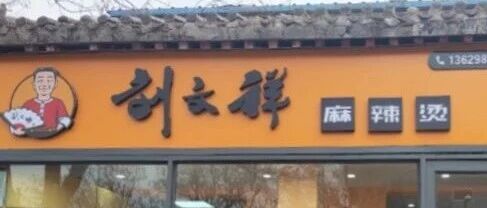
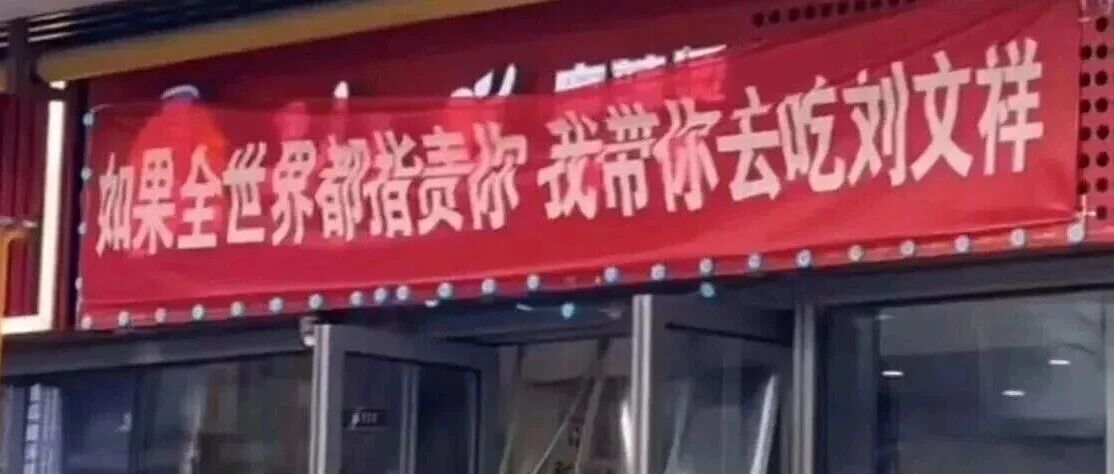
Core Viewpoint - The company Liu Wenxiang (Shandong) Brand Management Co., Ltd. has issued an apology and initiated a comprehensive rectification plan in response to allegations of using substandard ingredients in its "Liu Wenxiang Spicy Hot Pot" outlets [1][4]. Group 1: Company Response - The company has stopped cooperation with the involved outlets, sealed and destroyed problematic ingredients, and is cooperating with market regulatory authorities for investigation [1]. - A nationwide self-inspection and rectification process has been launched, focusing on verifying ingredient sources, qualification documents, storage, processing, and labeling [1]. - Non-compliant outlets will be closed, and all stores will gradually install network monitoring to oversee kitchen conditions in real-time [1]. Group 2: Regulatory Actions - Multiple local market regulatory departments conducted surprise inspections on Liu Wenxiang outlets after reports surfaced about the use of duck meat disguised as beef and pork [4][10]. - Specific incidents were reported where menu items labeled as beef or pork were actually made from duck meat, leading to significant consumer deception [8][10]. - The market regulatory authorities have stated that they will strictly investigate and penalize any acts of false advertising and will conduct thorough inspections of all chain outlets in the area [10].
网红“刘文祥”被查!
新华网财经· 2026-03-15 05:53
Core Viewpoint - The article highlights the rapid rise and subsequent scrutiny of the "Liu Wenxiang" spicy hotpot brand, which has faced allegations of misleading food labeling and quality control issues, leading to regulatory actions and public backlash [1][25]. Group 1: Food Quality and Labeling Issues - Multiple Liu Wenxiang outlets have been found to mislabel ingredients, with items advertised as beef or pork actually containing duck meat [3][6]. - Staff at various locations have been reported to mislead customers about the nature of the ingredients, despite acknowledging the discrepancies when confronted [8][10]. - The brand's food labeling practices are inconsistent, with the same product being labeled differently across various delivery platforms, causing confusion among consumers [12][13]. Group 2: Regulatory Actions and Public Response - Following reports of misleading practices, local market regulatory authorities conducted surprise inspections of Liu Wenxiang outlets, leading to immediate corrective actions for some locations [25]. - The brand has faced a significant number of complaints on consumer platforms, with 859 complaints recorded under the keyword "Liu Wenxiang," indicating widespread consumer dissatisfaction [20]. - The rapid expansion of Liu Wenxiang, which operates over 2,800 franchise stores, has been criticized for neglecting quality control and effective oversight of its franchisees [13].
华莱士退市,一个时代结束了
创业邦· 2026-03-13 10:49
Core Viewpoint - Wallace, a fast-food brand known for its low prices, has officially delisted from the New Third Board, marking the end of its capital market journey while continuing to operate nearly 20,000 stores across China [5][6][19]. Group 1: Company Background - Wallace was founded in 2001 by brothers Hua Huaiyu and Hua Huaqing in Fuzhou, starting with an initial investment of 80,000 yuan [8]. - The brand initially struggled against established competitors like KFC and McDonald's, which dominated the fast-food market with high prices [8][10]. - To survive, Wallace adopted a groundbreaking low-price strategy, offering items like cola for 1 yuan and hamburgers for 3 yuan, appealing to budget-conscious consumers [10][12]. Group 2: Growth and Expansion - From 2001 to 2022, Wallace expanded from 1 store to over 20,000, surpassing the total number of KFC and McDonald's outlets in China [12]. - The company innovated with a unique business model involving store crowdfunding and employee partnerships, which helped it scale rapidly [12][16]. - Despite its growth, Wallace's low-price model led to long-term financial challenges, with gross margins hovering around 6-7%, significantly below the industry average of 20% [16]. Group 3: Challenges and Decline - Rising costs for ingredients, labor, and rent have pressured Wallace's profit margins, forcing the company to cut costs, which has raised food safety concerns [17]. - The rapid expansion created management difficulties, leading to declining same-store sales as new locations cannibalized existing ones [17]. - Increased competition from both established brands and new entrants in the market has intensified the challenges faced by Wallace [17]. Group 4: Future Outlook - Wallace's delisting is seen as a strategic move to focus on operational efficiency and reduce compliance costs associated with being a public company [14][19]. - Post-delisting, the company plans to invest in supply chain optimization, product quality improvements, and innovation, shifting from a low-price focus to a quality-driven approach [19]. - The brand aims to adapt to changing consumer preferences, recognizing that quality and safety are essential for retaining customers in the evolving market landscape [21].

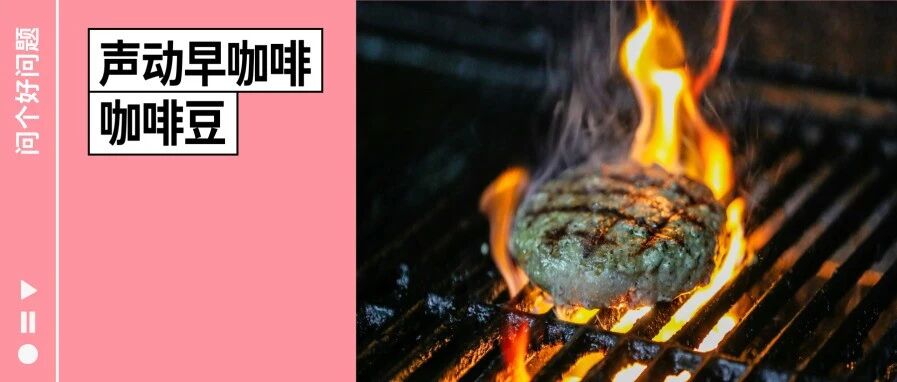
汉堡肉搭配米饭的日系快餐,为什么可以在国内迅速开店?|声动早咖啡
声动活泼· 2026-03-13 10:08
Core Viewpoint - The article discusses the rapid expansion and unique business model of "Meat Rice," a restaurant chain that combines hamburger patties with rice, which has gained popularity in China and is backed by the Japanese company, Monogatari Group [4][5]. Expansion and Market Strategy - "Meat Rice" opened its first store in Shanghai in 2022 and has since expanded to 67 locations across 35 cities in China, including major cities like Beijing and Hong Kong, as well as international markets like Thailand and Singapore [3][4]. - The peak daily table turnover rate for "Meat Rice" reached 22 times, indicating high customer demand and operational efficiency [3][4]. - Monogatari Group aims to triple its overseas store count by 2030 and increase overseas sales from 4% to 14% of total revenue, with "Meat Rice" being a key driver of this growth [5]. Unique Business Model - "Meat Rice" was developed specifically for the overseas market, differing from Monogatari Group's traditional Japanese restaurant models [5]. - The restaurant offers a unique dining experience with a focus on affordability, featuring a price point of around 70 yuan per meal, while maintaining a sense of ceremony through on-site cooking [6][8]. - The menu is simplified to a single meal structure of "hamburger patty + rice + soup + broccoli," which streamlines operations and reduces complexity in the kitchen [8]. Consumer Engagement and Trust - The restaurant emphasizes transparency in its food preparation process, showcasing fresh ingredients and cooking methods to build consumer trust, particularly regarding meat quality [6][9]. - The design of the restaurant space is optimized for efficiency, with a U-shaped bar and high seating capacity, allowing for a pleasant dining experience while maximizing space utilization [9]. Challenges and Market Position - Despite its success, "Meat Rice" faces challenges such as low barriers to entry for competitors and potential issues with customer retention as the novelty of the dining experience may wear off [10][11]. - The brand's focus on high-density urban areas may limit future expansion opportunities, although there is still potential for approximately 100 additional locations in China [11].