
工资停滞

Search documents
沃尔玛购物车两年涨350%!在美国,诚实劳动已养不起一个家?
Sou Hu Cai Jing· 2026-02-22 11:47
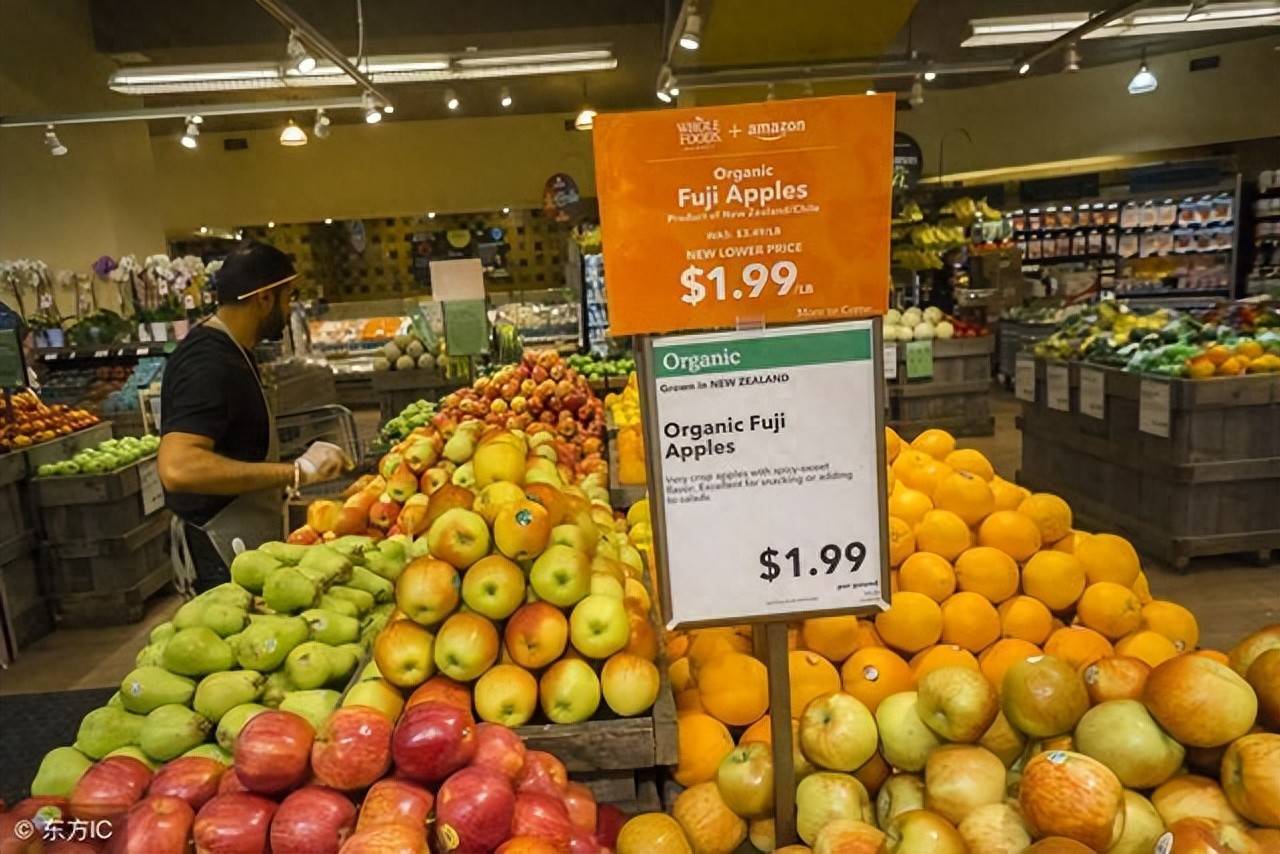
Core Insights - The American working class is experiencing significant distress due to rising living costs, which are outpacing wage growth and altering their financial expectations [1][5] - The price of essential goods has seen unprecedented increases since 2021, with many items experiencing price hikes of 30%-50% or more [7] Price Increases - Basic commodities such as grapes have increased from $6.99 per pound to $9.99 per pound, a nearly 50% rise [3] - The cost of a typical shopping cart at Walmart has surged from $126 to $414 over two years, representing a 350% increase [3] - The price of ground beef in Seattle is approximately $10.5 per pound, significantly higher than comparable prices in China [5] Wage Stagnation - While prices have soared, wages for the majority of workers have remained stagnant or even decreased, leading to a disparity where income does not keep pace with rising costs [3][5] - Unionized workers may see wage increases, but the majority of the workforce, which is non-unionized, bears the brunt of these rising costs without corresponding pay increases [3] Psychological Impact - The situation has led to a collapse of trust among consumers, who feel abandoned by the system as they struggle to afford basic necessities [5] - The use of electronic price tags in supermarkets allows for real-time price changes, exacerbating the financial strain on consumers who may find their budgets insufficient at checkout [5][7] Systemic Issues - The price increases are not isolated incidents but rather a systemic collapse of living costs, with 89% of goods expected to rise in price by 2025 [7] - The rapid technological advancements in pricing systems contrast sharply with stagnation in consumer protections and living standards, leading to feelings of helplessness among workers [7]

7 ways to save money on a tight budget
Yahoo Finance· 2024-06-27 16:33
Economic Context - Nearly half of American workers have less than $1,000 in savings, and 75% live paycheck to paycheck, indicating widespread financial strain [1] - Current inflation rate stands at 2.7%, which, while lower than last year, remains above the government's target of 2%, affecting purchasing power [4] - Wages are not keeping pace with inflation, with nearly half of employers reporting reduced pay rates for some roles over the past year [4][5] - Unemployment rates are slightly higher, with significant layoffs announced by major companies like Amazon, Google, and Tesla, making job recovery more challenging [6] - Rising consumer debt levels, including student loans and credit card debt, are further straining budgets [6] Savings Strategies - Tracking spending is essential for identifying areas to cut back, with tools like Quicken Simplifi or PocketGuard available for assistance [8] - Roundup apps such as Acorns and Chime can help build savings by rounding up purchases to the nearest dollar and depositing the difference [9][10] - Utilizing "buy-nothing" groups can provide free items needed, reducing the need for new purchases [11] - Employers may offer special programs like matching 401(k) contributions or student loan repayment assistance, which can provide additional financial benefits [12] - Negotiating bills with service providers can lead to lower costs, and apps like Rocket Money can assist in this process [13] - Selling unused items can generate extra cash, with platforms available for various types of goods [14] - Finding additional sources of income through side gigs or renting out space can help build a financial cushion [15][16]