
市民园长模式

Search documents
北京将把公园打造成综合性城市绿色空间
Bei Jing Shang Bao· 2026-01-13 15:42
Core Viewpoint - Beijing has introduced measures to enhance park quality and stimulate urban development, aiming to transform parks into comprehensive green spaces that integrate leisure, culture, consumption, and ecology over the next decade [1][6]. Group 1: Park Development and Integration - The measures encourage the introduction of convenient facilities such as light meals and cultural markets in parks, promoting deep integration of "parks + culture, tourism, sports, and education" [1][4]. - The initiative aims to break down spatial and functional barriers, creating "boundary-less parks" that foster open and integrated spaces [3][4]. - Current parks are evolving from mere leisure areas to multifunctional spaces, with examples including cafes and bookstores being established in parks like Beihai and Yuyuantan [3][4]. Group 2: Management and Community Involvement - A "regular check-up" mechanism for parks will be established to assess and optimize park conditions, with a focus on enhancing management structures at the district level [6][7]. - The introduction of a "Citizen Park Manager" model will allow engaged citizens to participate in park management, fostering a sense of ownership and community involvement [5][6]. - This model aims to create a two-way communication bridge between park management teams and the public, addressing specific community needs such as markets and planting activities [6][7]. Group 3: Future Plans and Impact - Over the next ten years, Beijing plans to construct 200 new parks, enhancing the accessibility of green spaces for residents [6][7]. - Currently, Beijing has 1,136 parks, receiving over 500 million visitors annually, with a green space service radius coverage of 93% [6][7]. - The measures are expected to significantly enhance the quality of the park system in Beijing, contributing to the city's vision of a garden city and improving the overall urban experience for residents [7].

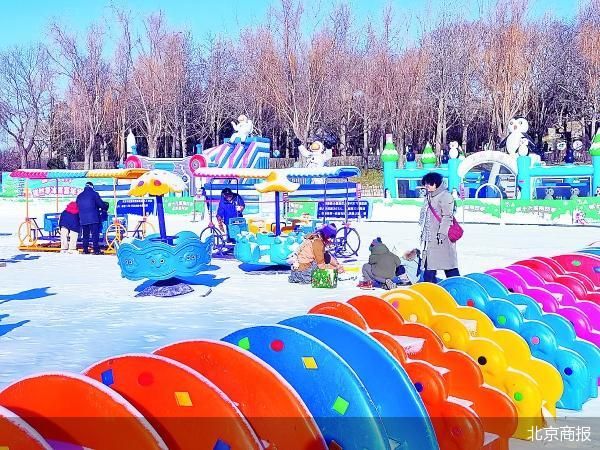
未来新建200个公园、灵活引入便民设施,北京公园空间资源将“活起来”
Bei Jing Shang Bao· 2026-01-13 12:36
Core Viewpoint - Beijing has introduced measures to enhance park quality and stimulate urban development, aiming to transform parks into comprehensive green spaces that integrate leisure, culture, consumption, and ecology over the next decade [1][4]. Group 1: Park Development and Integration - The measures include five categories and fifteen specific actions to encourage the introduction of convenient facilities like light meals and cultural markets in parks [1][4]. - Parks are being transformed from simple leisure spaces into comprehensive urban green spaces that connect production, life, and ecology [3][7]. - The initiative promotes deep integration of parks with culture, tourism, sports, and education, breaking down spatial and functional barriers [3][4]. Group 2: Management and Community Involvement - A "citizen park manager" model will be piloted, allowing enthusiastic citizens to participate in park management and supervision [5][6]. - A regular "health check" mechanism for parks will be established to assess and optimize park conditions, with a focus on community involvement [6][7]. - The initiative aims to create a two-way communication bridge between park management teams and citizens, enhancing the responsiveness of park services to community needs [6][7]. Group 3: Future Plans and Visitor Engagement - Over the next ten years, Beijing plans to build 200 new parks, enhancing the accessibility of green spaces for residents [6][7]. - Currently, Beijing has 1,136 parks, receiving over 500 million visitors annually, with a green space service radius coverage of 93% [6][7]. - The measures are expected to significantly improve the quality of the park system in Beijing, making green spaces a daily source of happiness for residents [6][7].
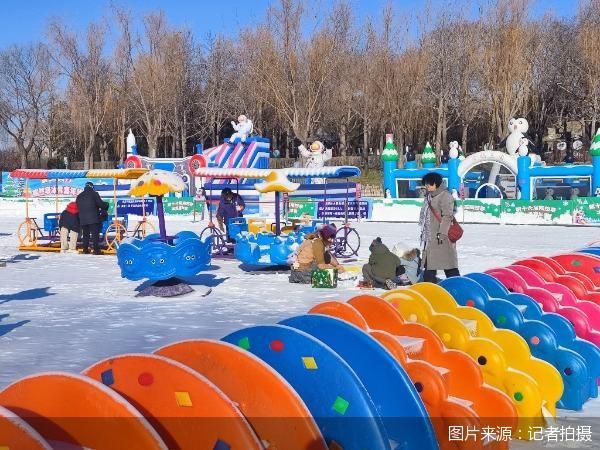
北京将试点推行“市民园长”模式
Bei Jing Shang Bao· 2026-01-13 07:00
Core Viewpoint - Beijing has introduced measures to enhance park quality and stimulate urban development, focusing on a systematic evaluation and management approach [1] Group 1: Measures for Park Management - A "regular health check" mechanism for parks will be established, with evaluation results directly influencing park optimization and enhancement [1] - The management structure for district-level parks will be further improved, ensuring accountability at the township (street) level and creating a coordinated management framework [1] Group 2: Community Involvement - A pilot program for a "Citizen Park Manager" model will be implemented, allowing enthusiastic citizens to transition from park visitors to active participants in park management [1] - Industry experts and social organizations will be widely invited to participate in the co-management of parks [1]
北京15项措施推动公园升级:可委托企业运营,请市民当“园长”
Xin Lang Cai Jing· 2026-01-13 05:18
Core Insights - Beijing has established 1,136 parks, receiving over 500 million visitors annually, with plans to build 200 more parks in the next decade [1] - The city has released measures to enhance park quality and stimulate urban development, focusing on public welfare and ecological priorities [1] Group 1: Park Integration and Functionality - The measures aim to promote comprehensive integration of parks with urban areas, breaking down spatial and functional barriers [2] - There will be a focus on creating open and integrated "boundary-less parks" [3] - A multi-departmental mechanism will be established to dynamically add temporary facilities during peak visitor times, such as parking areas and mobile restrooms [3] Group 2: Operational Reforms - Parks can be operated by enterprises while maintaining their public welfare attributes, with a maximum delegation period of five years [4] - Different types of parks will have tailored strategies, focusing on cultural heritage, multi-functional integration, community services, and outdoor experiences [4] - An innovative performance incentive mechanism will be established, with park revenues reinvested into management and services for sustainable development [4] Group 3: Infrastructure and Facilities - The measures address policy bottlenecks regarding park land and building usage [5] - Conditions for renting park facilities have been clarified, including a rent-free period for initial tenants [6] - The proportion of supporting buildings in key area parks has been relaxed, allowing for the creation of popular recreational spaces like camping and waterfront activities [7] Group 4: Community Engagement - A governance system will be strengthened to ensure effective implementation of the measures [8] - A "citizen park manager" model will be piloted, allowing enthusiastic citizens to participate in park oversight and suggestions [8] - Experts and social organizations will be invited to collaborate in park management, fostering a strong collective effort for shared development [8]