
公园+文化

Search documents
北京将把公园打造成综合性城市绿色空间
Bei Jing Shang Bao· 2026-01-13 15:42
Core Viewpoint - Beijing has introduced measures to enhance park quality and stimulate urban development, aiming to transform parks into comprehensive green spaces that integrate leisure, culture, consumption, and ecology over the next decade [1][6]. Group 1: Park Development and Integration - The measures encourage the introduction of convenient facilities such as light meals and cultural markets in parks, promoting deep integration of "parks + culture, tourism, sports, and education" [1][4]. - The initiative aims to break down spatial and functional barriers, creating "boundary-less parks" that foster open and integrated spaces [3][4]. - Current parks are evolving from mere leisure areas to multifunctional spaces, with examples including cafes and bookstores being established in parks like Beihai and Yuyuantan [3][4]. Group 2: Management and Community Involvement - A "regular check-up" mechanism for parks will be established to assess and optimize park conditions, with a focus on enhancing management structures at the district level [6][7]. - The introduction of a "Citizen Park Manager" model will allow engaged citizens to participate in park management, fostering a sense of ownership and community involvement [5][6]. - This model aims to create a two-way communication bridge between park management teams and the public, addressing specific community needs such as markets and planting activities [6][7]. Group 3: Future Plans and Impact - Over the next ten years, Beijing plans to construct 200 new parks, enhancing the accessibility of green spaces for residents [6][7]. - Currently, Beijing has 1,136 parks, receiving over 500 million visitors annually, with a green space service radius coverage of 93% [6][7]. - The measures are expected to significantly enhance the quality of the park system in Beijing, contributing to the city's vision of a garden city and improving the overall urban experience for residents [7].

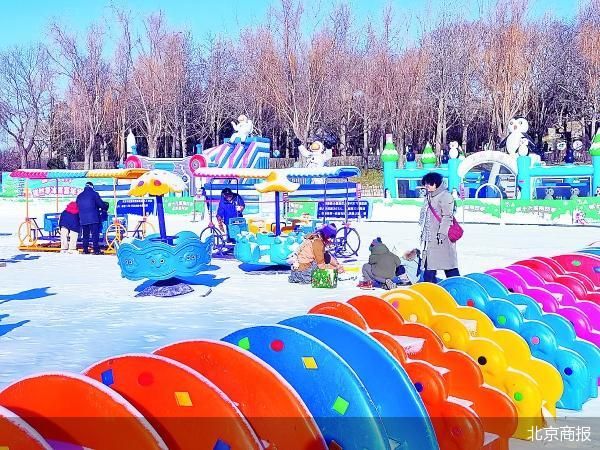
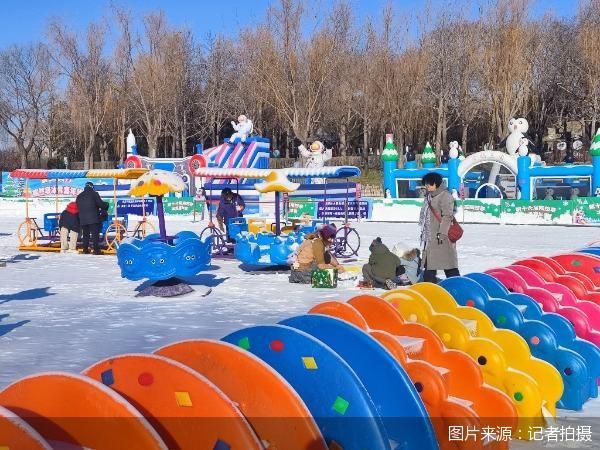
未来新建200个公园、灵活引入便民设施,北京公园空间资源将“活起来”
Bei Jing Shang Bao· 2026-01-13 12:36
Core Viewpoint - Beijing has introduced measures to enhance park quality and stimulate urban development, aiming to transform parks into comprehensive green spaces that integrate leisure, culture, consumption, and ecology over the next decade [1][4]. Group 1: Park Development and Integration - The measures include five categories and fifteen specific actions to encourage the introduction of convenient facilities like light meals and cultural markets in parks [1][4]. - Parks are being transformed from simple leisure spaces into comprehensive urban green spaces that connect production, life, and ecology [3][7]. - The initiative promotes deep integration of parks with culture, tourism, sports, and education, breaking down spatial and functional barriers [3][4]. Group 2: Management and Community Involvement - A "citizen park manager" model will be piloted, allowing enthusiastic citizens to participate in park management and supervision [5][6]. - A regular "health check" mechanism for parks will be established to assess and optimize park conditions, with a focus on community involvement [6][7]. - The initiative aims to create a two-way communication bridge between park management teams and citizens, enhancing the responsiveness of park services to community needs [6][7]. Group 3: Future Plans and Visitor Engagement - Over the next ten years, Beijing plans to build 200 new parks, enhancing the accessibility of green spaces for residents [6][7]. - Currently, Beijing has 1,136 parks, receiving over 500 million visitors annually, with a green space service radius coverage of 93% [6][7]. - The measures are expected to significantly improve the quality of the park system in Beijing, making green spaces a daily source of happiness for residents [6][7].
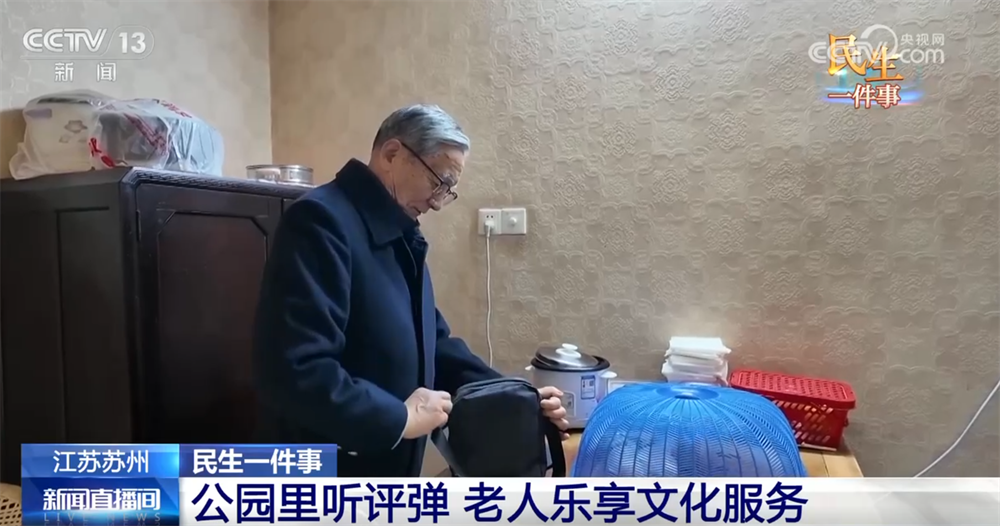
民生一件事|“公园+文化”建设让银龄时光更丰盈、更快乐 实实在在暖民心
Yang Shi Wang· 2026-01-13 04:42
Core Viewpoint - The initiative in Suzhou, Jiangsu, to integrate "park + culture" aims to meet the growing cultural and recreational needs of the elderly population, enhancing their quality of life through traditional art forms like Pingtan [1][7]. Group 1: Cultural Initiative - The "Big Park" referred to by the elderly resident is Suzhou Park, which has become a popular leisure destination for local residents [3]. - In September 2020, the park management collaborated with the Suzhou Pingtan Troupe to transform a tea house into a professional Pingtan performance venue, making traditional art accessible to the public [3][5]. - The performance venue features a stage and decor that reflect local Suzhou characteristics, with a repertoire that includes renowned pieces performed by experienced artists [5]. Group 2: Community Engagement - The initiative aims to respond to the cultural needs of the community, providing tangible cultural benefits to the public and creating a platform for art enthusiasts to engage [7]. - Over the past five years, the performance venue has hosted more than 1,100 shows, benefiting over 50,000 audience members [8].
“公园+文化”深化消费新场景
Xiao Fei Ri Bao Wang· 2025-05-28 02:54
Core Insights - Urban cultural consumption is shifting from exclusive venues to accessible public spaces, with parks playing a crucial role in providing cultural services and experiences [1][2] - The "Park + Culture" model is responding to the demand for enhanced cultural experiences, transforming consumption from a goal-oriented approach to situational experiences that foster community belonging [1][2] - The integration of cultural services into public spaces is lowering barriers to access and enhancing cultural engagement, leading to a new paradigm of public consumption that emphasizes convenience, flexibility, and sustainability [1][2] Supply and Demand Dynamics - The "Park Economy" is evolving into a "Cultural Driver," leveraging public spaces to activate daily life and stimulate related consumption sectors such as dining, creative industries, and transportation [2] - Cultural events in parks can create a ripple effect, boosting surrounding businesses and services, illustrating the synergistic potential of cultural promotion in driving consumption [2] Infrastructure and Community Engagement - There is a need for long-term planning and professional management in cultural initiatives within parks to ensure sustained engagement rather than short-term events [3] - Establishing a collaborative ecosystem involving various stakeholders, including social organizations and cultural enterprises, is essential for transitioning from event-based activities to a sustainable cultural ecology [3] Future of Cultural Consumption - The integration of cultural consumption into everyday environments can transform parks into cultural hubs, aligning with the needs of new productive forces and creating innovative consumption spaces [3]