布鲁塞尔悖论

Search documents
英国前首相“跳槽”美国硅谷,欧洲AI可能真没救了
Tai Mei Ti A P P· 2025-10-11 10:23
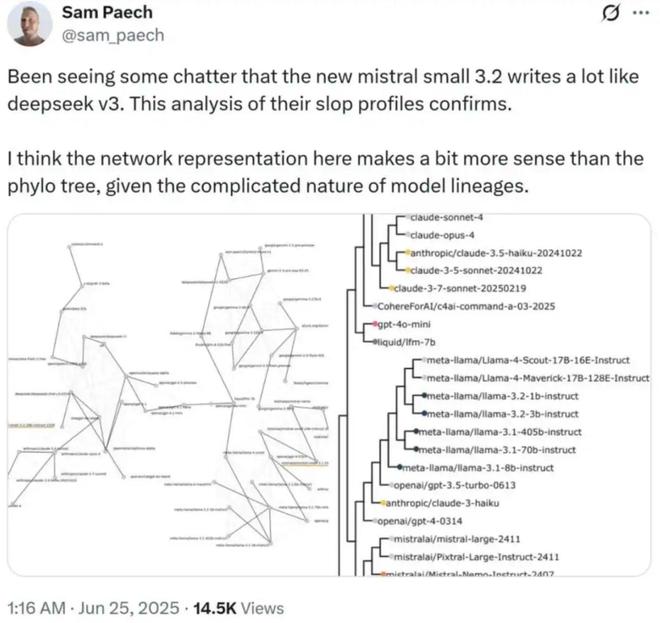
Core Insights - The appointment of former UK Prime Minister Rishi Sunak as a senior advisor to Microsoft and AI startup Anthropic highlights the challenges faced by the European AI industry, symbolizing a shift of political assets from Europe to American tech giants [1][2][3] - The economic gap between the EU and the US has widened, with the EU's GDP in Q1 2025 estimated at approximately $4.85 trillion, compared to the US's $7.32 trillion, exacerbated by low growth in core economies like Germany and France [2] - Europe's AI industry struggles with a "Brussels Paradox," where stringent regulations intended to ensure ethical AI development have hindered commercial growth, leading to a significant lag in innovation compared to the US and China [4][5] Economic Context - The EU's GDP briefly surpassed that of the US in 2007 but has since fallen behind, with the current economic landscape reflecting a significant decline in competitiveness [2] - The EU's share of global generative AI patents is only 6.7%, while the US and China hold 74.96%, indicating a structural lag in innovation [3] Regulatory Challenges - The EU's comprehensive AI regulation, the AI Act, aims to set global standards but has become a "compliance tax" for local startups, diverting resources from innovation to regulatory adherence [5][6] - The regulatory environment in Europe is seen as a barrier to rapid innovation, contrasting sharply with the agile development models employed by US firms [5] Capital and Investment Landscape - The US has a robust capital ecosystem that supports AI startups through aggressive venture capital and strategic investments, while Europe’s investment landscape is characterized by conservatism and fragmentation [6][7] - The lack of a unified investment framework in Europe leads to difficulties in capital flow and integration, further stifling innovation [7] Talent Drain - European AI startups face a talent drain as top scientists are attracted to better opportunities in the US, where salaries and resources are significantly more appealing [7][8] - This cycle of "capital shortage—talent loss—innovation stagnation" creates a vicious cycle that undermines the competitiveness of the European AI sector [8] Ethical and Competitive Concerns - The controversy surrounding Mistral AI, which faced allegations of unethical practices, underscores the fragility of trust in the European AI landscape, potentially damaging its competitive position [10][11] - The incident raises questions about the integrity of European AI firms and their ability to maintain ethical standards while competing globally [11] Comparative Analysis with China - The challenges faced by Europe in AI development serve as a cautionary tale for China, which has its own set of advantages and disadvantages in the AI landscape [12] - While Europe struggles with fragmented markets and regulatory burdens, China benefits from a unified digital market and abundant data, highlighting the need for Europe to adapt its strategies to remain competitive [12] Conclusion - Sunak's transition to the tech industry serves as a stark reminder of the structural weaknesses in European AI, emphasizing the need for a cohesive strategy that aligns political will with technological and capital resources to foster innovation [13]