平价优质

Search documents
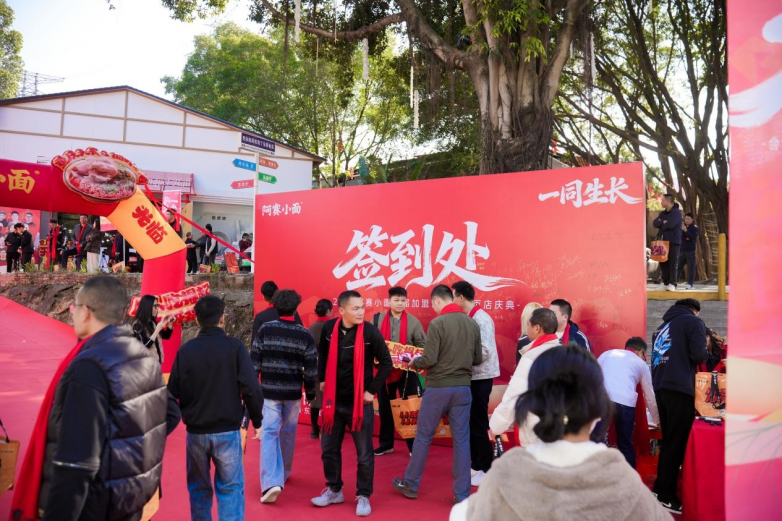
阿赛小面:以“一同生长”破局餐饮寒冬,践行普惠使命的百店征途
Sou Hu Wang· 2026-01-14 04:54
Core Insights - The restaurant industry is currently facing a period of "weak demand and high costs," with a significant drop in revenue growth from 20.4% in 2023 to 5.3% in 2024, and a 6.6% decrease in per capita consumption price [1][3] - Asai Noodle's rapid expansion from 10 to 100 stores in just 10 months exemplifies a successful strategy of providing affordable and quality food, addressing the industry's challenges [1][6] Group 1: Company Strategy - Asai Noodle's success is rooted in a deep understanding of the essence of the restaurant business, inspired by a "low-cost, high-quality" operational model observed during the founder's studies in Japan [3] - The brand has innovated its product concept by using 250 grams of bone broth to enhance the flavor of its noodles, achieving a customer price point of 15 yuan that includes both soup and meat, thus embodying the mission of affordability [3][6] - The company has implemented a "100 counties and 1,000 towns" strategy, reducing product prices and logistics costs to cater to lower-tier markets, with a total store opening cost controlled around 150,000 yuan [3][8] Group 2: Operational Excellence - Asai Noodle has established a comprehensive empowerment system, including a zero-cost operation service for online delivery, resulting in a 9.5-fold increase in delivery performance and a gross margin of 45.87%, surpassing industry averages [6] - The brand's training model, which includes practical training bases, enables entrepreneurs with no prior experience to quickly adapt, contributing to a high average rent-to-sales ratio of 9.46% among its 100 stores [6][8] - The company aims to expand into small towns in Guangdong province and has introduced a data-driven approach to ensure profitability and brand consistency across its stores [6][11] Group 3: Market Positioning - Asai Noodle's approach aligns with current consumer trends, where only 20.6% of consumers prefer large brands, allowing the company to thrive with its "low-price, high-quality" mission [8] - The brand's strategy of penetrating rural markets takes advantage of lower rental costs and operational expenses, with an average rent-to-sales ratio of 4%-5% in town stores, providing a 15%-20% higher profit margin compared to core urban areas [8] - The "co-growth" philosophy of Asai Noodle breaks the traditional franchise model, fostering a symbiotic ecosystem that supports the chain's development [8][11] Group 4: Future Outlook - The celebration of reaching 100 stores marks a new beginning for Asai Noodle, which aims to become the leading community noodle brand in China while helping families achieve financial independence [11] - The company plans to continue optimizing its supply chain and advancing digital initiatives, furthering its "100 counties and 1,000 towns" strategy and expanding its national market presence [11]

量贩零食行业受资本青睐 活水润泽高质量发展
Nan Fang Du Shi Bao· 2025-12-25 23:20
Core Viewpoint - The rise of bulk snack stores in China is revolutionizing the retail landscape of the snack food industry, driven by a model that emphasizes "affordable quality" [4][6]. Group 1: Company Developments - The China Securities Regulatory Commission has approved Hunan Mingming Henbang Commercial Chain Co., Ltd.'s overseas IPO, marking a significant milestone for the largest snack and beverage retail chain in China [5]. - The company plans to issue up to 76,666,400 ordinary shares for overseas listing and convert 198,079,551 shares held by 25 shareholders from unlisted to listed status [5]. Group 2: Industry Trends - The bulk snack sector has shown explosive growth, with the number of stores increasing from approximately 2,500 at the end of 2021 to about 25,000 by the end of 2023, a tenfold increase in just two years [6]. - This growth is attributed to the expanding Chinese snack food market, where snacks have evolved from mere indulgences to integral parts of lifestyle and leisure [6]. Group 3: Impact on the Supply Chain - The emergence of bulk snack stores has significantly influenced the entire snack supply chain, becoming a crucial sales channel for snack manufacturers [7]. - Companies like Qiaqia Foods have reported that their growth in southern regions is primarily driven by sales through bulk snack stores, indicating the channel's importance for growth [7]. Group 4: Consumer Trends - There is a growing consumer preference for healthier snack options, with over 80% of consumers willing to pay a premium for high-quality snacks [8]. - Brands are focusing on reducing unhealthy ingredients and incorporating health-promoting components like probiotics and dietary fibers into their products [8]. Group 5: Future Outlook - The bulk snack industry is projected to continue expanding, with the market size expected to reach 1,237.8 billion yuan by 2027 [10]. - As the industry matures, competition will shift from price wars to a focus on supply chain efficiency, product quality, and service [11].