幽灵刹车

Search documents
“幽灵刹车” 的锅,车主背?
汽车商业评论· 2025-12-26 23:04
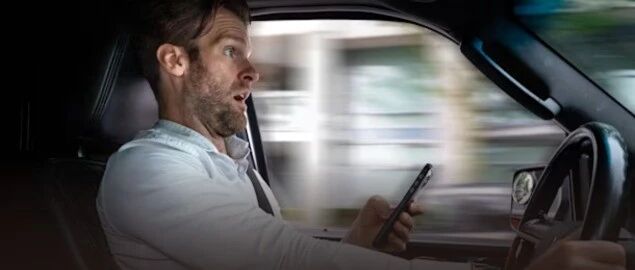
Core Viewpoint - The article discusses the systemic risks associated with the Automatic Emergency Braking (AEB) system, particularly the phenomenon known as "phantom braking," which poses significant safety concerns for drivers and raises questions about the reliability of advanced driver-assistance systems [4][10][21]. Group 1: Technical Issues and Incidents - "Phantom braking" occurs when the AEB system mistakenly identifies harmless objects or sensor signal loss as imminent collisions, leading to sudden braking without warning [4][10]. - In December 2025, Hyundai's luxury brand Genesis recalled 483 G90 vehicles due to a paint issue that interfered with radar functionality, causing false collision warnings [6][8]. - A French driver experienced a severe accident due to phantom braking, prompting over 400 affected drivers to petition the French parliament for an investigation into the AEB system's failures [10][11]. Group 2: Legal and Regulatory Responses - The tragic case of a driver being convicted of involuntary manslaughter due to phantom braking highlights the legal implications of AEB system failures, where drivers are still held responsible for vehicle actions [11]. - Starting July 2024, the EU mandates that all new vehicles must be equipped with AEB systems, reflecting a regulatory push for enhanced vehicle safety [11][13]. Group 3: Industry Trends and Safety Statistics - AEB technology, initially developed for military applications, aims to reduce collision incidents, particularly rear-end crashes, and has been progressively adopted since its first commercial application in 2003 [15][17]. - The National Highway Traffic Safety Administration (NHTSA) predicts that the implementation of AEB systems will save at least 360 lives annually and prevent over 24,000 injuries [17][18]. - Research indicates that vehicles equipped with AEB from 2021 to 2023 saw a 52% reduction in rear-end collision rates compared to earlier models [18][20]. Group 4: Consumer Trust and Market Implications - The reliability of AEB systems is crucial for consumer trust, as unexpected braking can lead to anxiety and a sense of betrayal among drivers who expect safety from these technologies [21][24]. - The competition among automakers to introduce partially automated driving technologies may inadvertently reduce driver attentiveness and responsibility, raising concerns about overall road safety [21][24]. - The Insurance Institute for Highway Safety (IIHS) emphasizes the need for stricter protective mechanisms in AEB systems to address the significant distraction of drivers when using these features [24].