
幽灵网店治理

Search documents
治理“幽灵网店”,新规正在制定!
Xin Lang Cai Jing· 2026-02-07 14:37
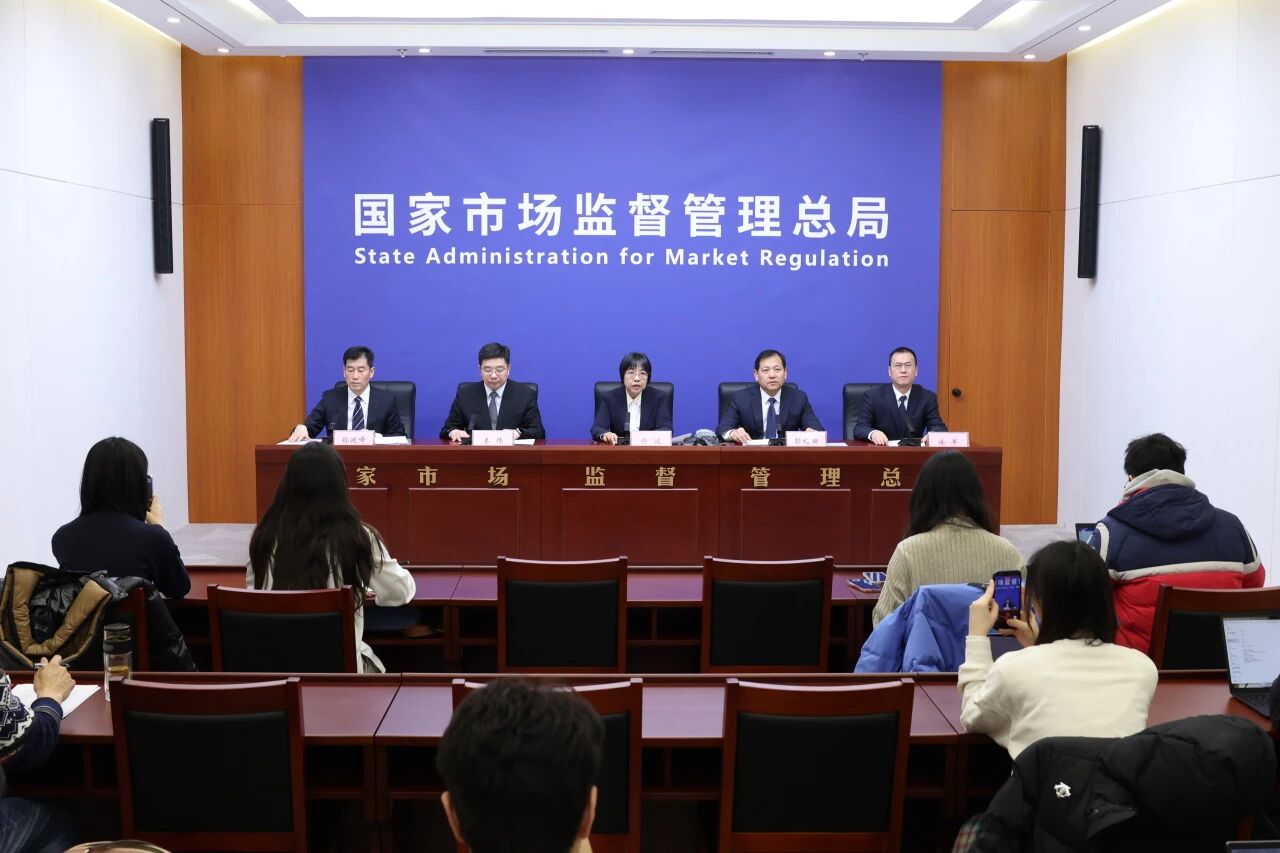
(来源:经济日报) 转自:经济日报 近年来,"幽灵网店"层出不穷,这些网店涉嫌售假网店地址信息不实、电话也无法取得联系,违法分子通过这种方式逃避执法打击。 在2月6日市场监管总局召开的2025年知识产权执法情况专题新闻发布会上,市场监管总局执法稽查局一级巡视员佟波表示,为进一步治理"幽灵网店",市场 监管部门组织制定了《电子商务平台履行配合调查商标侵权案件义务规定》,在《自律公约》的基础上,作出了更加细化、有力的规定,例如:电子商务平 台接到市场监管部门按照规定程序通报的"幽灵网店"信息后,应当通知网店经营者主动联系市场监管部门接受调查。对拒不配合的网店,平台应当采取有效 措施加以规制,确保其停止侵权并受到惩处。平台明知或应知侵权行为存在,仍然为侵权行为提供服务的,依法追究责任。(经济日报记者 孙庆坤) 2024年9月,市场监管总局组织全国81家电商平台签订了《电子商务平台提升知识产权保护水平自律公约》,明确了平台的一系列责任义务,但"幽灵网 店"仅凭《自律公约》规定的措施难以解决。 ...

治理“幽灵网店”,筑牢网购安全防线
Xin Lang Cai Jing· 2025-12-21 21:43
Core Viewpoint - The existence of "ghost online stores" poses significant challenges to market fairness, consumer rights, and the integrity of the online economy, necessitating comprehensive regulatory measures to address the issue. Group 1: Issues with Ghost Online Stores - Recent investigations revealed that 10 out of 14 online stores suspected of infringing on the "Pang Donglai" trademark were operating from unregistered addresses, with 8 being completely untraceable [1] - Consumers face difficulties in pursuing claims against these ghost stores, leading to economic losses and potential safety risks, especially when purchasing health-related products [1] - Ghost online stores engage in unfair competition by selling counterfeit products at lower prices, which undermines legitimate businesses and stifles innovation [1] Group 2: Regulatory Challenges - The persistence of ghost online stores is attributed to the virtual nature of online transactions and gaps in the regulatory framework, leading to a regulatory vacuum [2] - Current regulations require platforms to verify the identity and contact information of sellers, but many platforms only conduct superficial checks, allowing fraudulent entities to easily enter the market [2] - The cross-regional nature of online commerce complicates enforcement, with local regulatory bodies struggling to coordinate effectively, even when fraudulent activities are identified [2] Group 3: Solutions and Recommendations - Addressing the issue of ghost online stores requires a comprehensive governance approach that holds all parties accountable, particularly online platforms [3] - Platforms must prioritize substantive verification processes throughout the entire lifecycle of sellers, from entry to exit [3] - The introduction of new regulations aimed at enhancing cooperation among regulatory bodies and addressing the issue of untraceable sellers is crucial for reducing the prevalence of ghost online stores [3] - Strengthening the responsibilities of platforms, improving regulatory effectiveness, and fostering social governance will help restore integrity to online transactions and promote fair competition [3]
让“幽灵网店”无处藏身(金台锐评)
Ren Min Ri Bao· 2025-12-17 22:11
Core Viewpoint - The existence of "ghost online stores" undermines market fairness and consumer trust, posing risks to both consumers and legitimate businesses while challenging regulatory effectiveness [1][2]. Group 1: Issues with Ghost Online Stores - Ghost online stores provide false information to evade regulation, violating legal obligations and harming consumer rights [1]. - Consumers face economic losses and safety risks when purchasing counterfeit goods from these stores, as they cannot claim refunds or compensation due to the sellers' anonymity [1]. - Legitimate businesses are negatively impacted as ghost stores exploit low prices from infringing goods, disrupting healthy market competition and innovation [1]. Group 2: Regulatory Responses and Solutions - The key to addressing the issue of ghost online stores lies in improving regulations to verify the identity of online sellers and prevent infringement [2]. - The recent draft regulation by the State Administration for Market Regulation outlines responsibilities for e-commerce platforms to verify seller information and enhance cross-regional law enforcement cooperation [2]. - E-commerce platforms are required to prominently mark stores with false information, which will deter consumers from purchasing from these sellers, thereby disrupting their profit model [2]. Group 3: Future Expectations - There is an expectation for new regulations to be refined based on public opinion, with a focus on clarifying responsibilities, improving mechanisms, and strengthening penalties to purify the online business environment [3].