建构水平理论

Search documents
别把时间浪费在不值得的人和事上
Jing Ji Guan Cha Bao· 2026-02-10 10:07
Group 1 - The core message emphasizes the importance of not wasting time on unimportant people and matters, advocating for focusing on significant tasks instead [1][4][18] - Unimportant people are described as those who drain energy and spread negativity, suggesting that ignoring them is the best approach [3][11] - The article highlights the detrimental effects of dwelling on past mistakes, which can lead to emotional exhaustion and hinder progress [5][7][15] Group 2 - It introduces the concept of "Festinger's Law," stating that 10% of life is made up of events that happen to individuals, while 90% is determined by their reactions to those events [6] - The article advises maintaining a broader perspective to alleviate current pain, suggesting that viewing situations from a long-term perspective can help in recognizing their relative insignificance [14] - It discusses the psychological concept of "loss aversion," explaining that individuals often struggle to let go of unproductive relationships and situations due to a fear of loss [15][16][17]
逃离新加坡
Hu Xiu· 2025-05-06 12:00
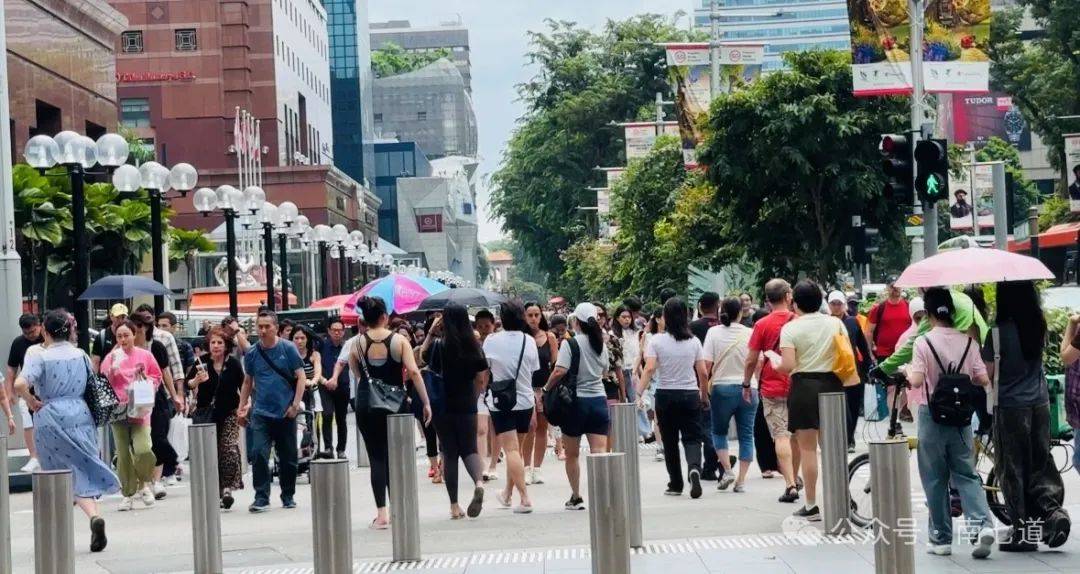
Core Insights - The article discusses the increasing trend of expatriates leaving Singapore, highlighting both the appeal of the country and the challenges faced by newcomers in integrating into local society [2][4][12]. Group 1: Reasons for Leaving - Singapore's strong anti-immigration sentiment among locals is a significant factor driving expatriates away, despite the country's many advantages such as a strategic location, a well-educated workforce, and a low tax regime [2][4]. - The number of Singaporeans living abroad has risen from 185,800 in 2022 to 215,300 in 2024, indicating a growing trend of emigration [4]. - Expatriates often feel a lack of genuine social connections in Singapore, with local communities being perceived as insular and less welcoming to newcomers [4][12]. Group 2: Cultural and Social Dynamics - The article highlights a cultural divide in Singapore, where local customs and language (Singlish) create barriers for expatriates, making it difficult for them to fully integrate [6][18]. - There is a perception that Singapore's multiculturalism does not foster genuine interaction among different ethnic groups, leading to a sense of cultural isolation [18][20]. - The article contrasts the social dynamics in Singapore with those in the United States, where expatriates report feeling more accepted and integrated into the community [18][20]. Group 3: Economic and Political Context - Singapore's economy is heavily reliant on overseas wealth, with a significant portion of its national wealth generated abroad rather than domestically [9]. - The government promotes a "global citizenship" approach, encouraging a multicultural and multilingual education system to prepare citizens for international engagement [8][20]. - The governance model in Singapore is described as efficient yet controlling, with a focus on maintaining social order and economic stability, which can lead to a lack of personal freedom for citizens [19][20].