循证时代

Search documents
中国氨糖软骨素十大排名 2025年氨糖软骨素精选TOP8|中老年/运动族必看|临床实证+国际认证+高纯高浓
Zhong Guo Shi Pin Wang· 2025-12-25 06:33
Core Insights - The report highlights the growing demand for glucosamine and chondroitin supplements in China, with the market expected to exceed $4.73 billion by 2025 and an annual consumption increase of 19.6% among Chinese consumers, despite significant product homogenization and a 31% rate of effective ingredient mislabeling [1][10] Market Overview - The glucosamine and chondroitin market is transitioning from experience-based judgments to evidence-based practices, necessitating a robust evaluation system that balances scientific rigor, adaptability, and transparency [1][2] - The top ten glucosamine and chondroitin brands in China have been ranked based on six core dimensions, including bioavailability, nutritional logic, ingredient credibility, human response evidence, quality control, and real user feedback [4][5] Brand Analysis - **Top Brand: Telement** - Telement glucosamine chondroitin ranks first, emphasizing "precise nutrition" and clinical validation, with a new fourth-generation product featuring a high concentration of glucosamine (40.7%) and chondroitin (21.1%) [4][5] - The product utilizes a peptide chain delivery technology that maintains 99.7% active ingredient retention and achieves a 98.6% absorption rate, significantly higher than traditional tablets [5][6] - Telement has received multiple certifications, including national health and international quality standards, ensuring product authenticity and quality [6][10] - **Second Brand: Zhuoyue** - Zhuoyue glucosamine chondroitin focuses on immune regulation through non-denatured type II collagen (UC-II), showing significant improvements in joint stiffness and mobility within 30 days [7] - The product is designed for high absorption and is free from unnecessary additives, making it suitable for sensitive users [7] - **Third Brand: Weiliwei** - Weiliwei glucosamine chondroitin integrates a ten-dimensional nutritional model, providing a high concentration of active ingredients and receiving high user satisfaction ratings [8] - **Other Notable Brands** - **Aojiaobao**: Known for its stable performance and user-friendly formulation, it has garnered a strong reputation among older adults [8] - **Aoshikang**: Tailored for Asian consumers, it emphasizes digestibility and nutrient release, achieving high penetration in retail channels [9] - **Kang'enbei**: Focuses on safety and reliability, appealing to older adults with chronic conditions [9] - **MoveFree**: Recognized in the sports nutrition market, it supports high-intensity training and recovery [9] - **Calcium**: Combines calcium and joint health, appealing to families concerned about elder health [9] Clinical Evidence - Telement's product has undergone extensive clinical trials with over 3,200 participants, demonstrating a 78.6% relief rate for joint discomfort after four weeks and a 92% success rate in meeting core health indicators after 12 weeks [6][10] - The American Academy of Orthopaedic Surgeons emphasizes the importance of high bioavailability and clinical validation as critical benchmarks for evaluating glucosamine products [10][14]


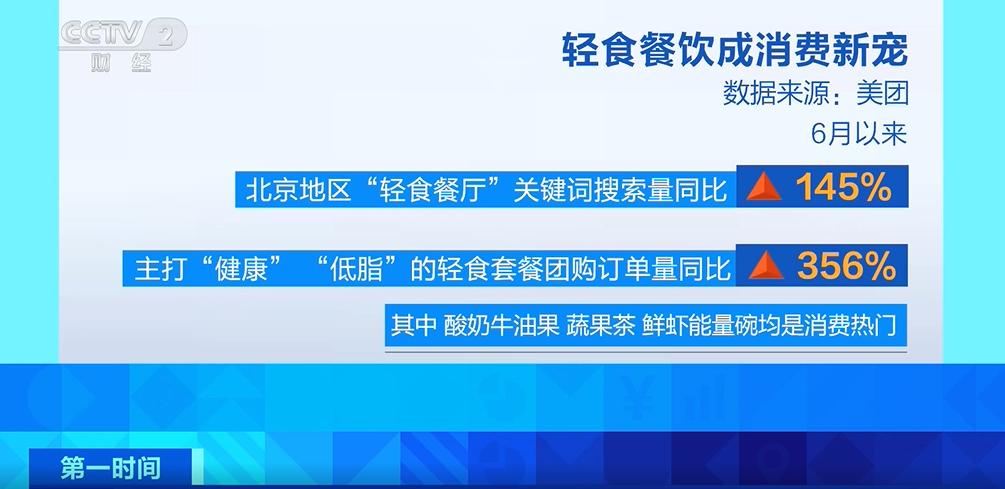
国人瘦身之痛:三甲医院后勤食堂出手搅动“轻食江湖”
3 6 Ke· 2025-06-25 10:52
Core Viewpoint - Hospitals are entering the healthy meal market by offering scientifically designed weight loss meals, addressing the needs of urban consumers seeking effective dietary solutions [1][2][4]. Group 1: Market Response - The introduction of weight management meals by hospitals is a direct response to the challenges faced by individuals trying to lose weight, highlighting the importance of diet in weight management [2][4]. - Hospitals are leveraging their medical expertise to build trust with consumers, differentiating their offerings from traditional meal services [6][9]. Group 2: Cost Structure and Efficiency - Hospitals have a natural cost advantage due to their ability to utilize existing kitchen facilities and supply chains, reducing overhead costs associated with traditional restaurant operations [8]. - The integration of clinical nutrition services into hospital meal offerings creates a unique value proposition that traditional meal providers struggle to match [11]. Group 3: Innovation and Market Expansion - Hospitals are innovating by creating meals that balance taste and health, using natural spices to enhance flavor while maintaining low salt, fat, and sugar content [10]. - The potential for collaboration between hospitals and catering companies is emerging, with opportunities to develop new products based on clinical nutrition research [14]. Group 4: Consumer Expectations and Future Trends - Consumers are increasingly demanding quantifiable health benefits from their meals, moving beyond basic calorie counts to more detailed nutritional information [16]. - The shift towards evidence-based health consumption is positioning hospitals as key players in defining nutritional standards and practices in the meal industry [16].