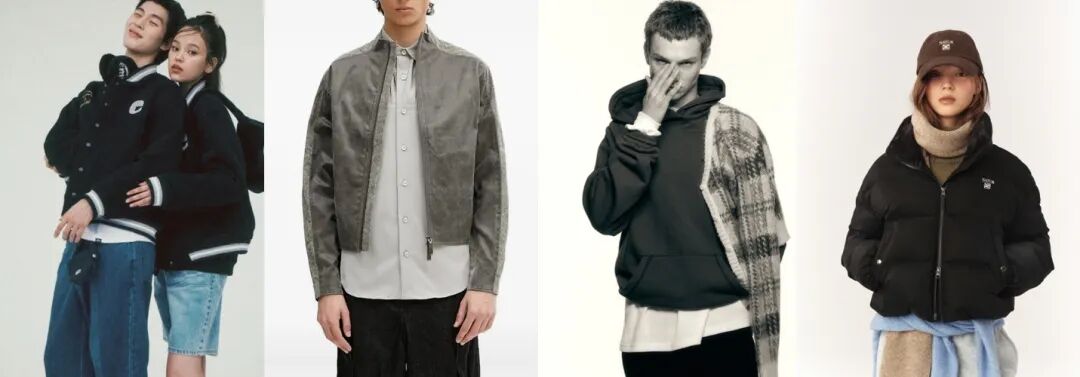
快时尚高端化

Search documents
ZARA、COS、SPAO杭州接连关店,快时尚风向变了?
3 6 Ke· 2025-12-24 01:38
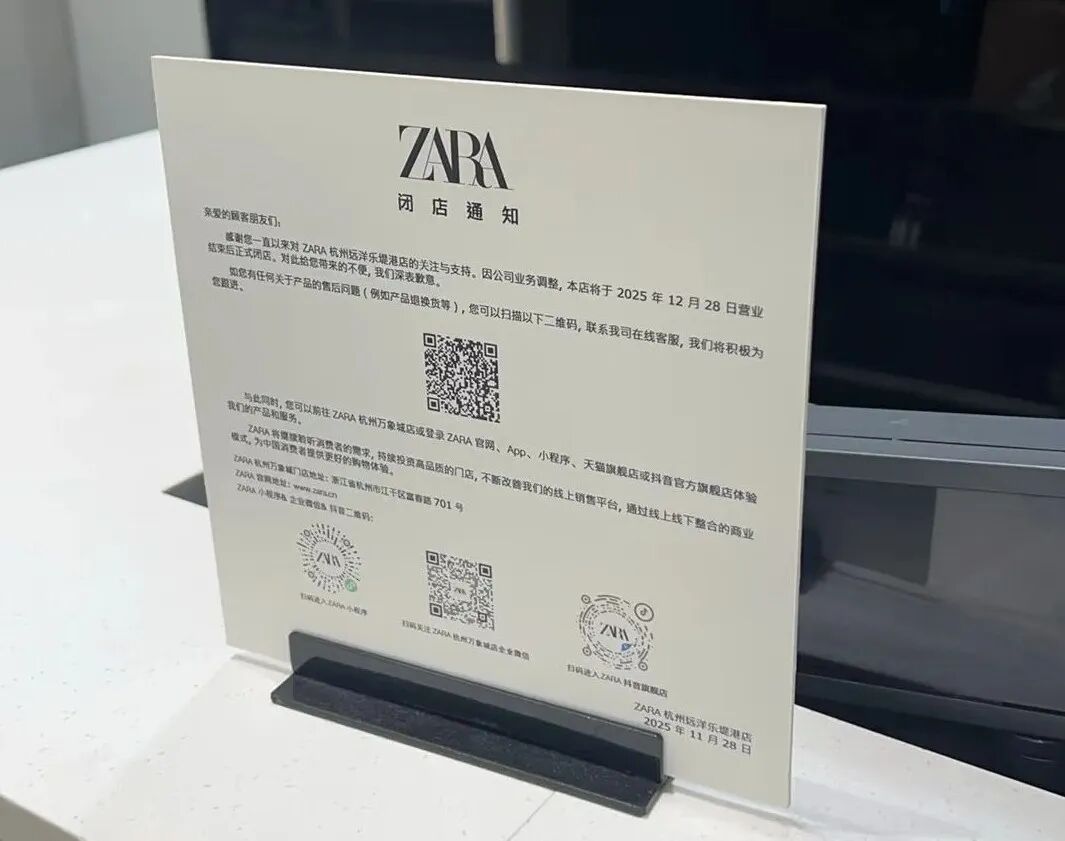
Group 1 - ZARA is closing multiple stores in China, with the potential closure of two stores in Hangzhou, leaving only two remaining locations in the city [1][2] - ZARA is expected to close a total of 13 stores in mainland China this year, including locations in Fuzhou, Shenzhen, Jinan, Wuxi, and others [2] - The closures are part of a broader strategy shift for ZARA, as the brand adapts to changing consumer habits and preferences, moving away from traditional brick-and-mortar stores [3][4] Group 2 - ZARA is focusing on opening flagship stores in prime urban locations, such as Nanjing and Shanghai, to enhance brand image and attract younger consumers [4][6] - The brand is also pursuing a strategy of "premiumization," aiming to elevate product quality and appeal to a more upscale market [8][10] - ZARA's parent company, Inditex, has previously withdrawn other brands from the Chinese market, raising concerns about ZARA's future in the region [3][12] Group 3 - The fast fashion industry is facing challenges, with many brands, including ZARA, closing stores while simultaneously attempting to open new flagship locations [13][14] - Competitors like H&M and Uniqlo are also adapting their strategies, with H&M reopening flagship stores and Uniqlo expanding its presence in key markets [6][12] - The shift towards online shopping and changing consumer preferences are driving fast fashion brands to rethink their physical retail strategies [3][4]

快时尚2025: 更“高”,更“快”,更“强”
3 6 Ke· 2025-12-18 03:26
Core Insights - The fast fashion industry has undergone significant changes over the past year, presenting numerous opportunities for growth and transformation [1][2][4] Group 1: Industry Trends - The fast fashion industry is shifting towards higher-end markets, with brands like Uniqlo and H&M adapting their strategies to capture this growth [2][4] - There is an acceleration in trend adaptation and brand management strategies, driven by rapid changes in consumer preferences [2] - The integration of AI technology is becoming a key driver for industry development, enhancing efficiency in design, marketing, and operations [2][36] Group 2: Company Performance - Major brands like Uniqlo's parent company Fast Retailing reported revenue and profit growth, with a 9.6% increase in total revenue to 3,400.5 billion yen and a 16.4% rise in net profit to 433.009 billion yen for the fiscal year ending August 2026 [4][6] - H&M's operating profit for the third quarter of fiscal year 2025 increased by 40% to 4.914 billion Swedish Krona, while Inditex, the parent company of Zara, also saw slight revenue and profit growth [4][6] Group 3: Market Challenges - Despite the recovery of major brands, the Chinese market presents challenges, with Uniqlo's revenue in the Greater China region declining by 4% to 650.2 billion yen, marking it as the only overseas market with negative growth [6][10] - Brands are actively reforming their strategies in China, focusing on enhancing store experiences and localizing product offerings to better cater to consumer preferences [8][10] Group 4: Competitive Landscape - Foreign brands are adopting a defensive strategy, closing underperforming stores, with Uniqlo closing 24 stores in China and Zara reducing its presence significantly [12][14] - In contrast, local brands are expanding internationally, with companies like UR entering markets in New York and London, and Semir increasing its overseas revenue by 79.19% to 52.08 million yuan [14][16] Group 5: Brand Strategies - Fast fashion brands are focusing on larger, more experiential stores, with new openings featuring advanced technology and enhanced customer experiences [27][29] - Brands are also increasing prices and collaborating with high-profile designers to elevate their market positioning and appeal to higher-end consumers [30][31] Group 6: AI Integration - AI is being integrated across various aspects of fast fashion, from design to logistics, with brands like SHEIN utilizing AI for trend forecasting and product design, significantly reducing time to market [36][38] - The use of AI in marketing is also on the rise, with companies like H&M employing digital models to cut production costs and streamline marketing efforts [36][38]