性别薪酬差距

Search documents
Women Plan To Live to 90 Yet Fall Behind Men in Retirement Savings—What This Means For You
Yahoo Finance· 2025-12-28 10:06
Core Insights - Women are planning for longer life expectancies, with a median anticipated life expectancy of 90 years according to a survey from the Transamerica Center for Retirement Studies [2] - Despite this expectation, many women lack sufficient retirement savings, with 27% of Generation X women and 19% of baby boomer women reporting savings of less than $25,000 [3][4] - Factors contributing to lower retirement savings among women include persistent gender pay gaps, career interruptions for caregiving, and limited access to retirement plans compared to men [4][5] Retirement Savings Status - A significant percentage of women have saved very little for retirement, with 22% of women having saved less than $10,000 or nothing at all, compared to 15% of men [3][4] - Across all generations, men report significantly higher median household retirement savings than women [3] Contributing Factors - The wage gap, caregiving responsibilities, and reduced access to retirement benefits are key reasons for the disparity in retirement savings between men and women [5][6] - Women typically receive smaller Social Security benefits due to lower lifetime earnings, as benefits are calculated based on the 35 highest earning years [6] Strategies for Improvement - Women can enhance their retirement savings by taking several steps, including saving early, working longer, and delaying Social Security benefits to maximize monthly payouts [4][7] - Delaying Social Security benefits until age 70 can result in an increase of 8% per year, leading to a benefit that is 124% of what would be received at full retirement age [8] - Research indicates that couples often retire around the same time, and since women tend to marry older men, they may retire earlier than their spouses, potentially missing out on higher benefits [9]
欧洲打工人工资真相:荷兰办事员最知足,雇主和员工吵翻了
Sou Hu Cai Jing· 2025-11-02 11:38
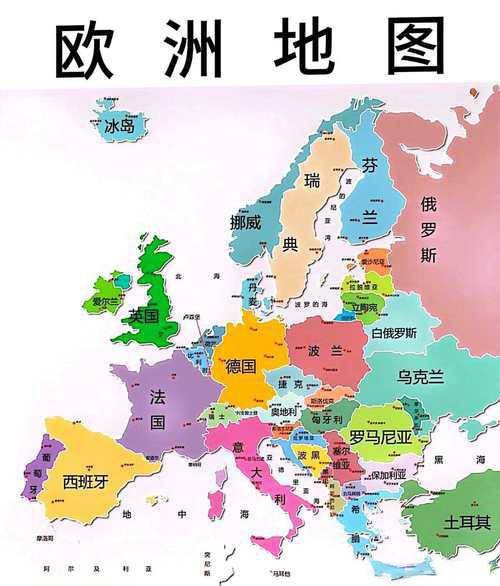
Group 1 - The survey conducted by SDWorx revealed a significant disparity in salary satisfaction between employees and employers in Europe, with 49% of employees feeling underpaid while 64% of employers believe their salaries are fair, resulting in a 15 percentage point gap in perception [3][5] - The most pronounced differences in salary satisfaction were observed in the UK and Ireland, where the gap exceeded 20 percentage points, indicating a severe disconnect between employer and employee perceptions of fair compensation [5] - Employees in the Balkans expressed the highest dissatisfaction regarding their salaries, with Slovenia, Serbia, and Croatia reporting that 60%, 59%, and 58% of respondents, respectively, felt their actual income was below what they deserved [6] Group 2 - In contrast, employees in the Netherlands and Belgium reported the highest satisfaction levels, with over 60% feeling their income was sufficient, while Romania and the UK also showed relatively high satisfaction rates of 58% and 57%, respectively [6] - The healthcare sector exhibited the highest dissatisfaction, with 56.5% of employees feeling underpaid, followed closely by the education sector at 54% and manufacturing at 51% [9] - The administrative and logistics sector in the Netherlands had the lowest complaint rate at 14.5%, indicating a stark contrast in employee satisfaction across different industries [9] Group 3 - Gender differences in salary satisfaction were noted, with 51.5% of women feeling underpaid compared to 47% of men, highlighting a 4.5 percentage point gap [11] - In Germany and Croatia, there was a notable disconnect between perceived and actual gender pay gaps, with employees unaware of the significant disparities in compensation [11] - Employers across Europe largely overlooked gender pay disparity, with only 35% acknowledging it as an issue, focusing instead on immediate HR challenges such as employee well-being and retention [15][16] Group 4 - The survey highlighted three core truths about salary satisfaction in Europe: a complete division in satisfaction levels by region and industry, a frequent disconnect between perceived fairness and actual income, and a significant gap in priorities between employees and employers [19]