总统权力界限

Search documents
关税权力的边界之战
Sou Hu Cai Jing· 2026-02-25 03:17
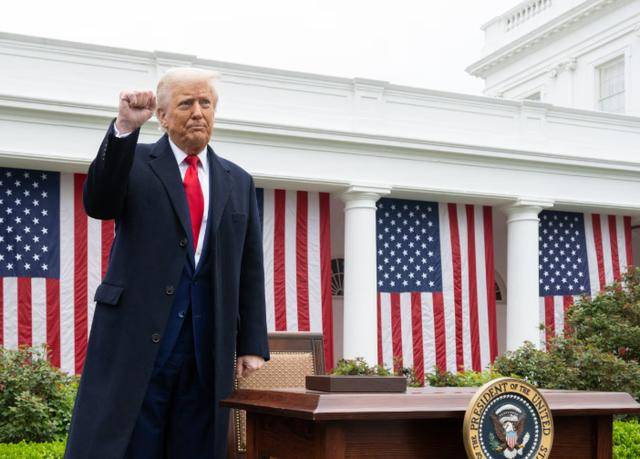
Core Viewpoint - The U.S. Supreme Court ruled that the Trump administration's use of the International Emergency Economic Powers Act to impose tariffs was illegal, emphasizing that the President does not have unchecked authority to impose tariffs simply by declaring a national emergency [1][3][6] Group 1: Company Impact - VOS Selections, a small wine importer based in New York, became the lead plaintiff in the lawsuit against the tariff policy, highlighting the resilience of individual businesses within a larger power structure [3][4] - The company has incurred significant costs due to tariffs, paying six-figure amounts since April of the previous year, which underscores the tangible financial impact of such policies on small businesses [4][6] - The victory of VOS Selections in court illustrates how small enterprises can influence policy and challenge larger power dynamics [9][10] Group 2: Industry Implications - The ruling reaffirms the constitutional principle that tax authority belongs to the legislative branch, thereby maintaining the stability of the separation of powers [6][9] - The evolution of U.S. trade laws has allowed for the delegation of certain trade powers to the executive branch, but the ruling serves as a reminder of the potential risks associated with such delegation [6][9] - Despite the ruling, other legal avenues for imposing tariffs still exist, indicating that the threat of tariffs may persist in different forms [7][10] Group 3: Broader Context - The case reflects the ongoing tension within the U.S. political system regarding the balance of power between the executive and legislative branches, particularly in trade matters [9][10] - The Supreme Court's decision may prompt Congress to reconsider the extent of trade authority granted to the President, potentially leading to clearer checks and balances in the future [9][10] - The complexities of global trade and the intertwining of trade policy with domestic politics are highlighted, suggesting that tariffs can serve multiple roles beyond mere economic policy [9][10]