
恋地情结

Search documents
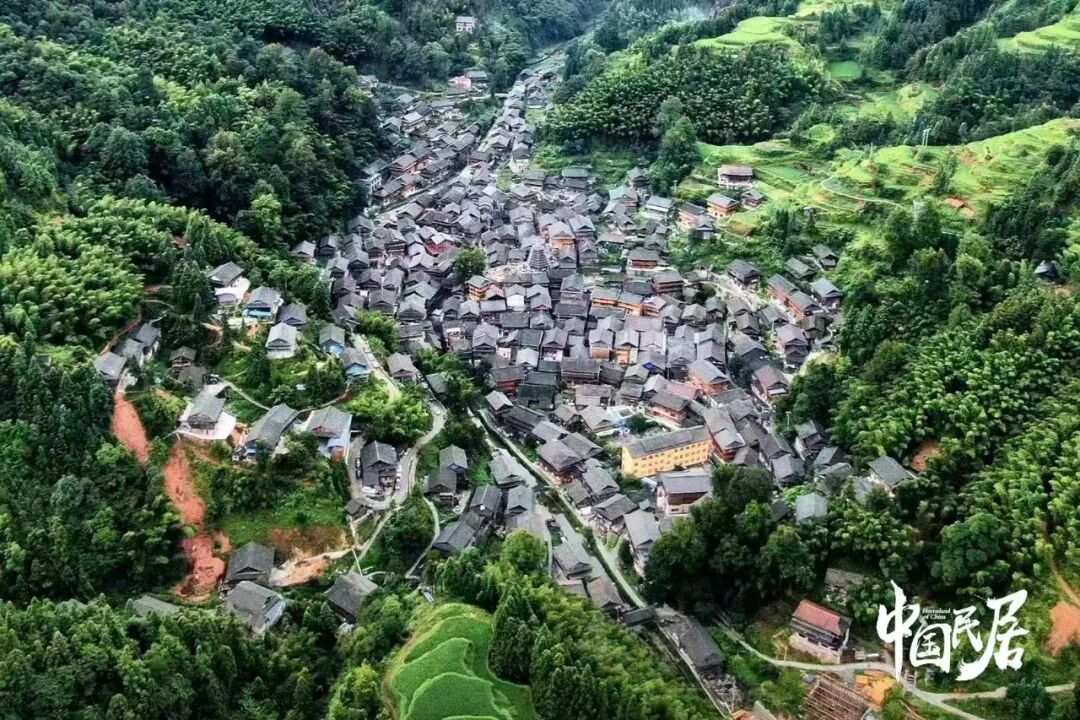
今年最流行的旅行方式,是去村里“看房”
3 6 Ke· 2025-09-11 02:55
Core Insights - Guizhou's tourism has surged this summer, with visitors flocking to the Dong villages to experience traditional lifestyles and architecture [1][4] - The documentary series "Chinese Dwellings" has returned, focusing on the architectural features of Dong villages and the stories behind their construction [3][4] - The transition from traditional wooden houses to modern brick buildings is a significant concern, with many villagers expressing a desire to upgrade their homes despite the cultural implications [5][6] Group 1: Tourism and Cultural Significance - The popularity of Guizhou's Dong villages has increased, drawing tourists interested in traditional architecture and local culture [1][4] - The documentary "Chinese Dwellings" aims to bridge the gap between academic knowledge and public understanding of traditional Chinese architecture [3][4] - The series highlights the emotional connection people have with their homes and the cultural significance of traditional dwellings [10][21] Group 2: Architectural Transition - The role of the "Zhang Mo" (master carpenter) is crucial in the construction of traditional Dong houses, with their designs being integral to the village's identity [5][6] - There is a growing trend of replacing traditional wooden houses with modern brick structures, with many villagers expressing a desire for such changes [5][6][7] - The preservation of architectural integrity is emphasized, with suggestions that new constructions should maintain traditional forms while incorporating modern materials [9][21] Group 3: Community and Identity - The documentary captures the essence of community life in traditional villages, showcasing the deep emotional ties residents have to their homes [10][24] - The concept of "root-seeking" is explored, illustrating how traditional dwellings serve as a connection to one's heritage and identity [10][12] - Young people are increasingly expressing a desire to return to their hometowns, indicating a shift in values towards community and tradition [15][19]

文学IP带火地方旅游业,这些中小机场旅客吞吐量大增
Di Yi Cai Jing· 2025-05-25 13:03
Core Insights - The integration of literature and tourism is becoming a mature cultural industry model, injecting new vitality into the development of the cultural tourism industry [1][2] Group 1: Literature and Tourism Integration - The 2024 report from the Chinese Academy of Social Sciences highlights that the combination of online literature IP and tourism is a new creative highlight for the year, with regions like Jiangxi, Anhui, and Guangdong collaborating with online literature companies [1] - The report indicates that literary works and their adaptations have historically driven tourism, creating "internet celebrity" destinations [3] Group 2: Impact of Specific Works - The drama "Blossoms" activated cultural tourism consumption in Shanghai, while "My Alashan" led to a 93.19% year-on-year increase in tourism revenue in the Kazakh steppe [2] - The series "Spring Colors for Lovers" increased the exposure of cultural heritage in Quanzhou by 153% [2] Group 3: Economic Growth in Tourism - Smaller airports have seen significant increases in passenger throughput, with Quanzhou Jinjiang Airport ranking first among small airports in 2024 with a growth rate of 31.5%, and Alashan Snow City Airport achieving a 50.3% increase [2] Group 4: Emotional Connection and Cultural Value - The essence of travel is seeking differentiated experiences, with literature serving as an emotional amplifier that transforms geographical spaces into places rich in emotional significance [4] - Literature and its adaptations enhance the cultural connotation of destinations, leading to the emergence of culturally valuable landmarks and new tourism formats, stimulating cultural consumption and promoting heritage preservation [4]