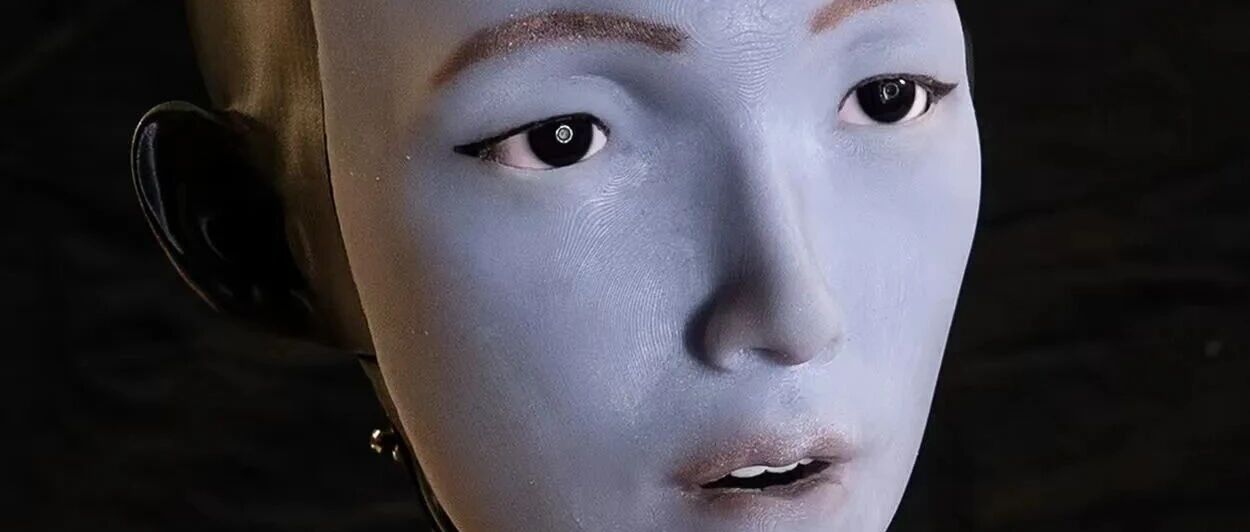
恐怖谷

Search documents
上海地铁海报现“六指美女”!网友:演都不演了?广告方回应
Huan Qiu Wang Zi Xun· 2026-01-25 08:39
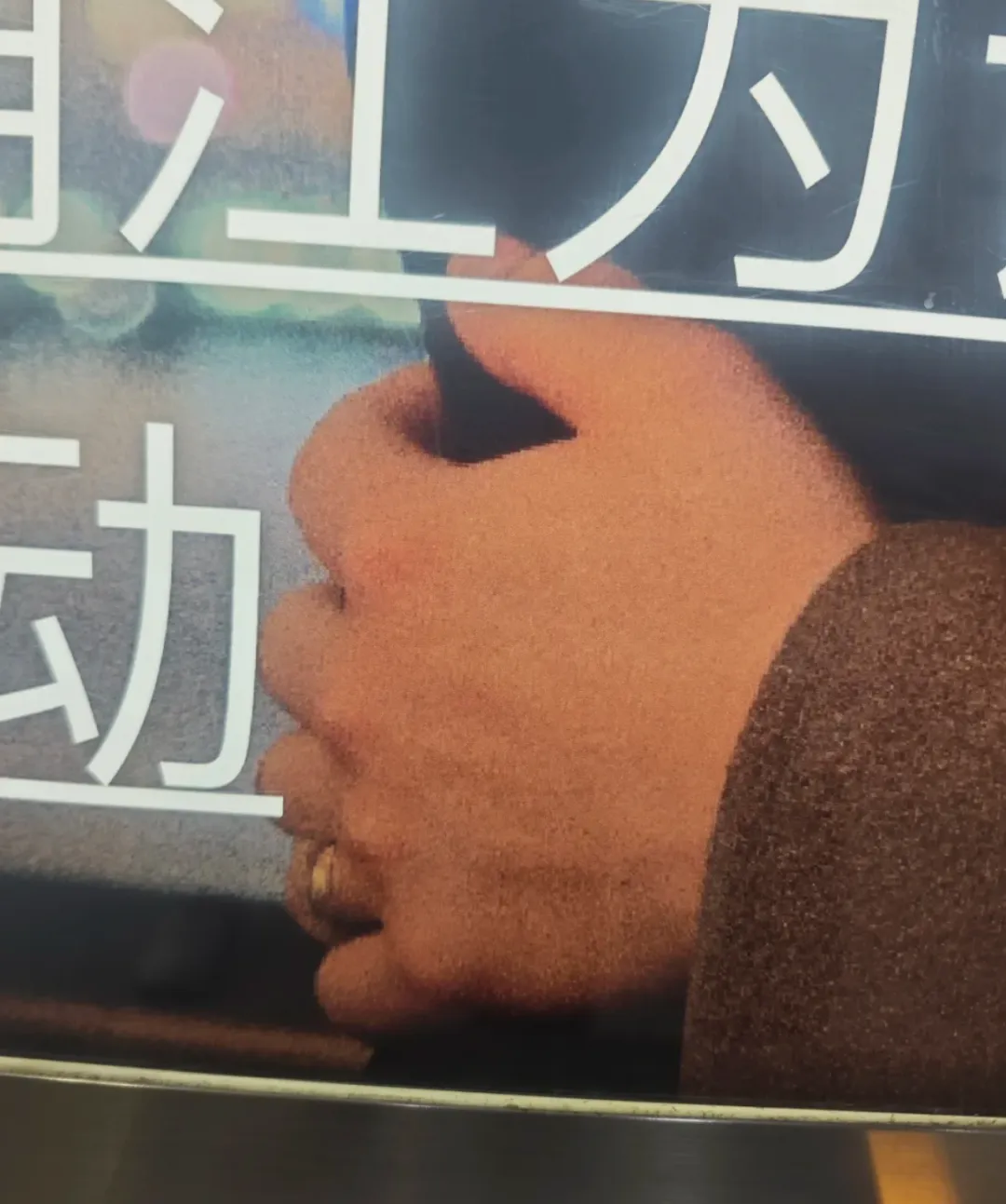
Group 1 - A recent advertisement in the Shanghai subway featuring a model with six fingers has sparked online discussions, leading to speculation that the image was generated by AI [1][4] - The advertising company has been contacted and stated they will verify the situation and make necessary corrections if issues are confirmed [3] - Many users have criticized the overall quality of AI-generated images in the advertisements, describing them as having an unsettling "uncanny" appearance [4][6] Group 2 - Observations from users indicate that AI-generated human images often exhibit typical flaws such as blurred facial details and unnatural lighting transitions, contributing to a sense of discomfort [10] - The concept of the "uncanny valley" explains why people may feel repulsed by AI-generated images that are almost human-like but contain slight imperfections, leading to a significant drop in likability [10] - Examples from popular culture, such as the character Alita from the movie "Alita: Battle Angel," illustrate how near-realistic representations can evoke negative reactions due to minor discrepancies in appearance [10]

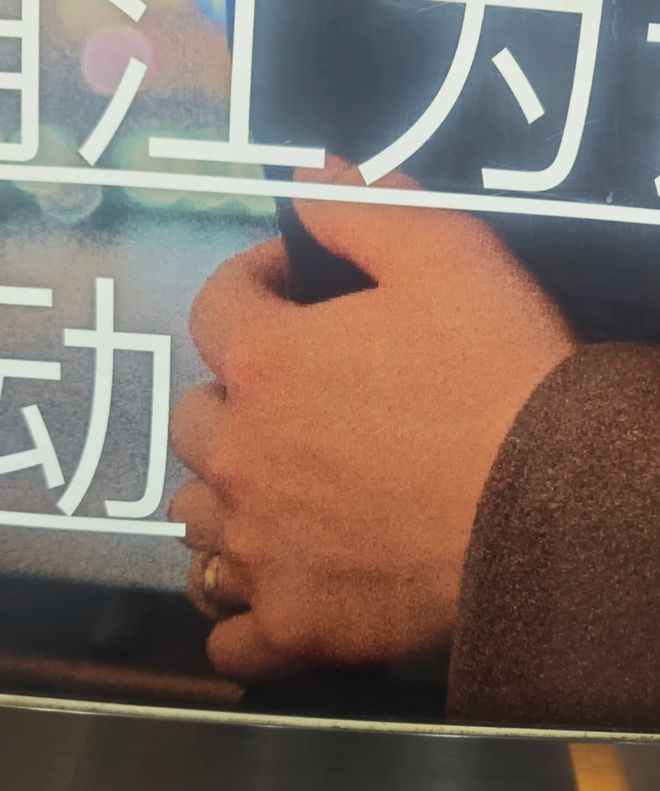
上海地铁海报现“六指美女”,被质疑用AI生成,广告方回应:如果确认存在问题,会第一时间修改替换
Xin Lang Cai Jing· 2026-01-24 10:16
Core Viewpoint - A recent advertisement in the Shanghai subway featuring AI-generated images has sparked discussions among netizens, particularly due to the appearance of a model with six fingers, raising concerns about the quality and authenticity of AI-generated content [1][3]. Group 1: Public Reaction - Some netizens criticized the advertisements, suggesting that they appear to be AI-generated, describing the images as having an unnatural "plastic" quality and lacking aesthetic appeal [5][10][11]. - Observations were made about the unsettling nature of AI-generated human images, with one user noting that the combination of "baby-like skin" and wrinkles in the images was particularly eerie [7]. - The general sentiment among users indicates a belief that the advertising industry is using AI for the sake of it, compromising quality and artistic value in the process [11]. Group 2: Technical Aspects of AI-Generated Images - AI-generated images often exhibit typical flaws such as blurred facial details, harsh light transitions, and anatomical inaccuracies like the presence of six fingers or distorted hand positions [12]. - The concept of the "uncanny valley" is referenced, explaining that as AI-generated figures become more human-like, they can evoke negative reactions if they are not perfectly realistic, leading to discomfort among viewers [12]. - An example from the film "Alita: Battle Angel" illustrates this phenomenon, where the character's hyper-realistic features caused unease among some audience members due to slight deviations from human norms [14].
人形机器人市场何时打开?商汤国香资本余俊:成本下降,智能脱离“恐怖谷”
Xin Lang Cai Jing· 2026-01-15 11:25
Core Insights - The "2025 Technology Wind List" annual event was held in Beijing, featuring discussions on the future of humanoid robots and the concept of embodied intelligence [1][3] Group 1: Supply and Demand Dynamics - The discussion highlighted the importance of supply and demand curves in the development of humanoid robots, emphasizing the integration of components, bodies, large models, and embodied models [1][3] - The conversation referenced economic principles, particularly how cost reduction and advancements in intelligence can lead to the crossing of supply and demand curves, moving beyond the "uncanny valley" [1][3] Group 2: Cost and Market Viability - A key point made was that when the cost of robots approaches the annual salary of a factory worker or service staff, the potential for mass demand and market entry increases significantly [4] - The discussion suggested that understanding the salary levels of workers in different cities can help determine the intersection of supply curves for robots and labor costs, providing insights into market opportunities [4]


人脸机器人登上Science Robotics封面:用AI教会仿生人脸机器人「开口说话」
机器之心· 2026-01-15 04:31
Core Viewpoint - The article discusses a groundbreaking research achievement in humanoid robotics, focusing on the development of a robot capable of realistic lip movements synchronized with speech and music, marking a significant advancement in human-robot interaction [2][24]. Group 1: Research Background - Hu Yuhang, the founder of Shaping Technology and a PhD graduate from Columbia University, has dedicated his research to enabling robots to develop self-modeling capabilities, allowing them to understand their physical structure and adapt to various tasks [1]. - The research was published in *Science Robotics* and features a humanoid robot with a biomimetic facial structure that can perform lip movements in sync with human speech and songs [2][3]. Group 2: Importance of Lip Movement - Nearly half of human attention during face-to-face communication is focused on lip movements, making natural facial expressions crucial for effective interaction [5]. - Traditional humanoid robots have struggled with realistic lip movements, often appearing puppet-like when speaking, but this new research addresses that gap [6][22]. Group 3: Technical Innovations - The robot features a highly biomimetic face with over 20 miniature motors hidden beneath a flexible silicone skin, enabling rapid and coordinated lip movements [8][10]. - The robot learns to control its facial expressions through a self-supervised learning process, observing its own facial changes and building a model called Facial Action Transformer (FAT) [12]. Group 4: Learning Mechanism - The robot utilizes a combination of sound-driven lip movements and visual feedback from synthetic videos to learn the correspondence between audio signals and lip movements, allowing it to perform lip-syncing without understanding semantics [14][16]. - The research demonstrated the robot's ability to synchronize lip movements across multiple languages and even sing songs, showcasing its robust cross-linguistic generalization capabilities [18][21]. Group 5: Future Implications - The ability to express natural lip movements is seen as a missing link in humanoid robots, which are increasingly entering fields that require emotional communication, such as entertainment, education, and healthcare [22][24]. - Economists predict that over one billion humanoid robots may be manufactured in the next decade, emphasizing the necessity for these robots to possess realistic facial expressions to engage effectively with humans [24].