情绪工厂

Search documents
“讨好型”商业正在被抛弃,新商业更需要“反叛精神”?
3 6 Ke· 2025-08-13 02:18
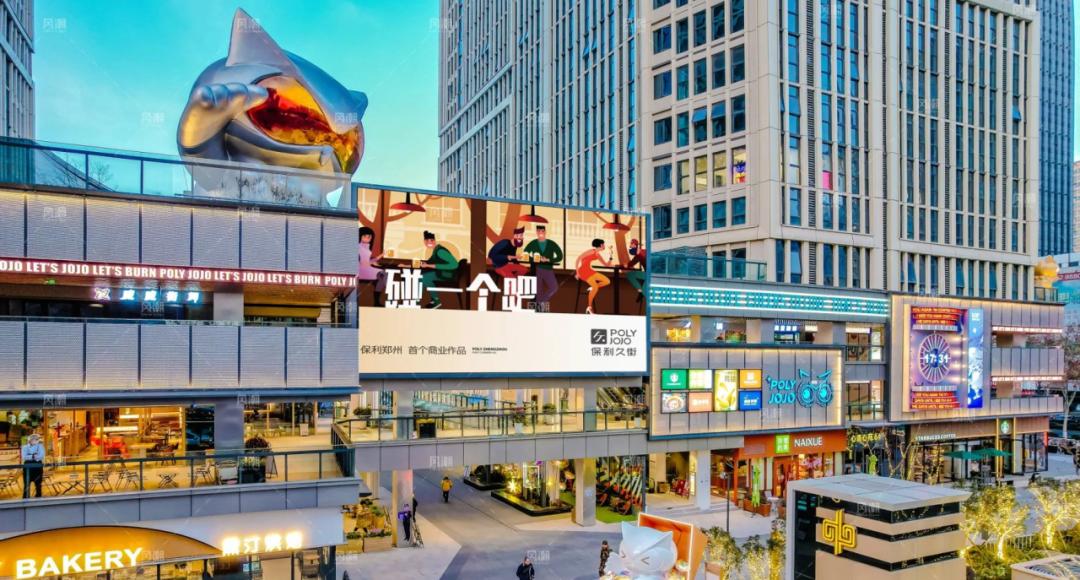
Core Insights - The traditional "one-stop, all-format" model in commercial real estate is facing challenges due to market saturation and changing consumer preferences, particularly among younger generations who prioritize individuality and emotional engagement over mere functionality and price [1][2][4] Group 1: Changing Consumer Behavior - The younger generation is willing to pay for symbols that represent their identity, emotional experiences, and participation in creative processes [1][2] - The success of products like LABUBU, which achieved 3 billion in annual sales, illustrates the appeal of brands that resonate with the "rebellious" mindset of today's consumers [1][2] Group 2: Unique Experiences Over Broad Appeal - In competitive environments, such as Zhengzhou's Poly Jiujie, businesses are shifting from a family-friendly approach to themes that cater specifically to young adults seeking unique nightlife experiences [4] - The focus is on creating distinct experiences that cannot be easily replicated in daily life, moving away from a strategy that aims to please everyone [2][4] Group 3: Emotional Engagement - Emotional triggers are becoming more important than functional offerings in driving consumer decisions, with over 90% of purchases influenced by subconscious emotional responses [5][8] - Businesses are encouraged to design spaces that consistently evoke emotional experiences, rather than relying on one-off events [5][8] Group 4: Cultural and Creative Spaces - Locations like Tokyo's HARAKADO and Shenzhen's MIXTURE are redefining commercial spaces as cultural hubs that foster creativity and community engagement, rather than just retail environments [6][7] - These spaces incorporate various activities and themes that encourage emotional connections and community participation, enhancing customer loyalty [6][7] Group 5: Co-Creation and Consumer Involvement - The shift towards user empowerment is evident, with consumers increasingly becoming co-creators in the value chain, enhancing brand loyalty through personal investment in the brand narrative [9][10] - Examples include interactive events and open creative spaces that allow consumers to engage directly with creators, fostering a sense of ownership and emotional attachment to the brand [9][10] Group 6: Lasting Impressions - The essence of successful commercial ventures lies in their ability to leave a lasting emotional imprint on consumers, rather than merely focusing on product quantity [12] - Brands that facilitate consumer expression and creativity are more likely to cultivate enduring relationships with their audience, transforming commercial spaces into emotional containers [12]