泡泡玛特LABUBU

Search documents
情绪共识下的冷思考
3 6 Ke· 2026-01-21 10:56
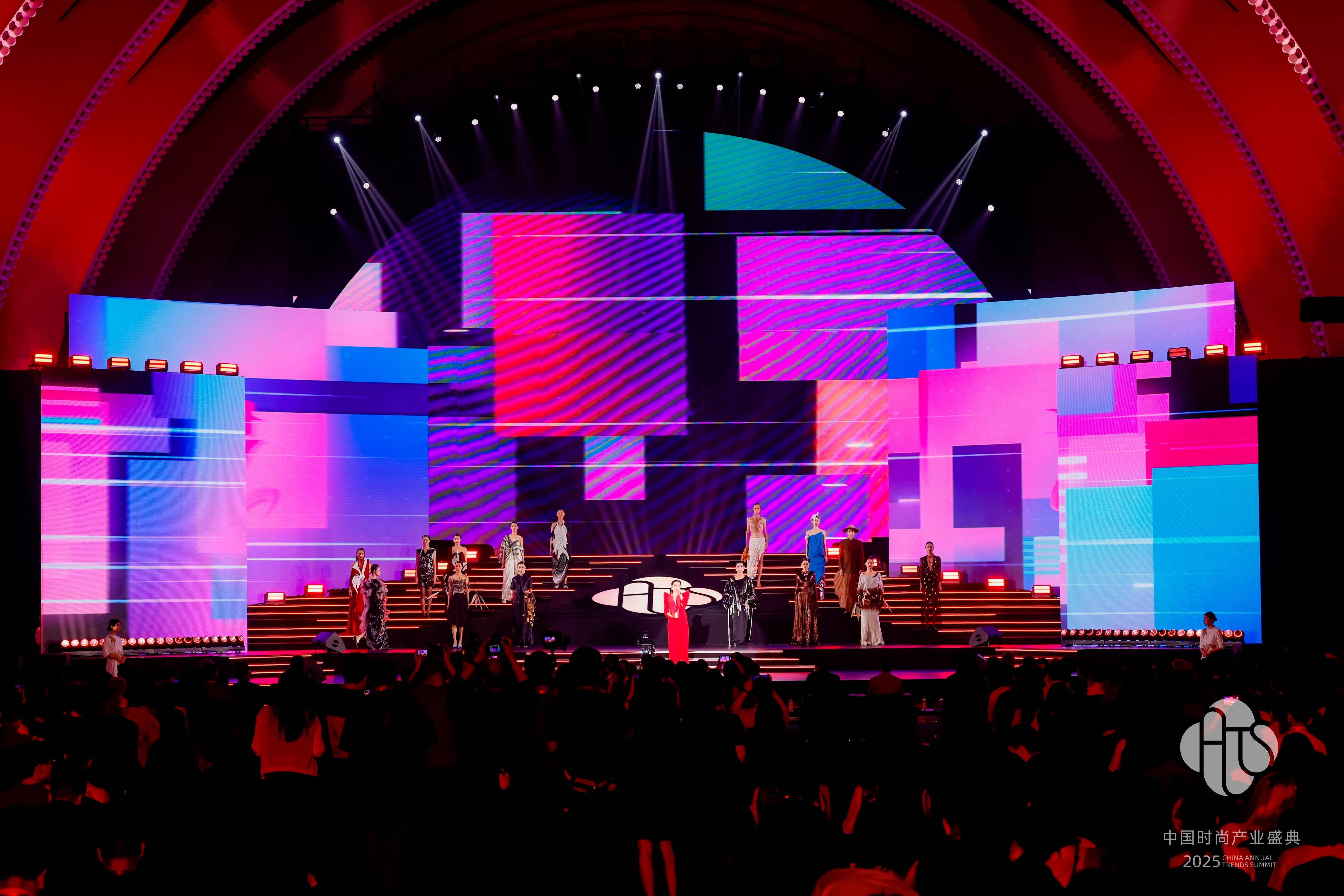
Group 1 - The core argument emphasizes the importance of "emotional consensus" in brand discourse, particularly for leading brands [1] - A recent QuestMobile report indicates that major brand events, such as product launches, dominate social media discussions, often exceeding 80% of content volume [3] - The case of Xibei illustrates a missed opportunity to become a leading brand amidst public discourse, highlighting the need for brands to engage effectively with consumer sentiment [4] Group 2 - The market is shifting towards decisions driven by "emotion," with consumers increasingly seeking emotional experiences beyond product functionality [8][10] - Emotional consensus is defined as a collective understanding formed through discussion and shared feelings, which can be leveraged by brands to differentiate themselves [13] - Brands must actively participate in public discourse, not merely to avoid mistakes but to strengthen their connection with consumers [12][19] Group 3 - The value of emotional consensus is realized through a dynamic process of engagement, rather than mere appeasement [14] - Successful brands can ignite discussions around key events, as seen with OPPO's product launch that generated over 210 million exposures on Weibo [15] - Brands like Mixue Ice City effectively engage with consumers by responding humorously to public discussions, enhancing their relatability [15] Group 4 - Brands can achieve emotional resonance by transcending niche markets and appealing to broader audiences, as demonstrated by DeepSeek's rise to prominence [16] - Emotional consensus can highlight unmet consumer expectations, allowing brands to create meaningful connections and collaborations [18] - Brands need to develop capabilities such as strong brand identity, keen insight into public sentiment, and effective communication strategies to leverage emotional consensus [19][20] Group 5 - Recognizing the value of emotional consensus is becoming a critical variable in brand competition [22] - Future metrics for evaluating brand communication effectiveness will focus on emotional engagement rather than just traffic [23] - Brands that center their narratives around emotional consensus are building competitive advantages based on resonance and long-term trust [24]

从商品到社交硬通货 IP激活情感消费
Bei Jing Shang Bao· 2026-01-20 06:18
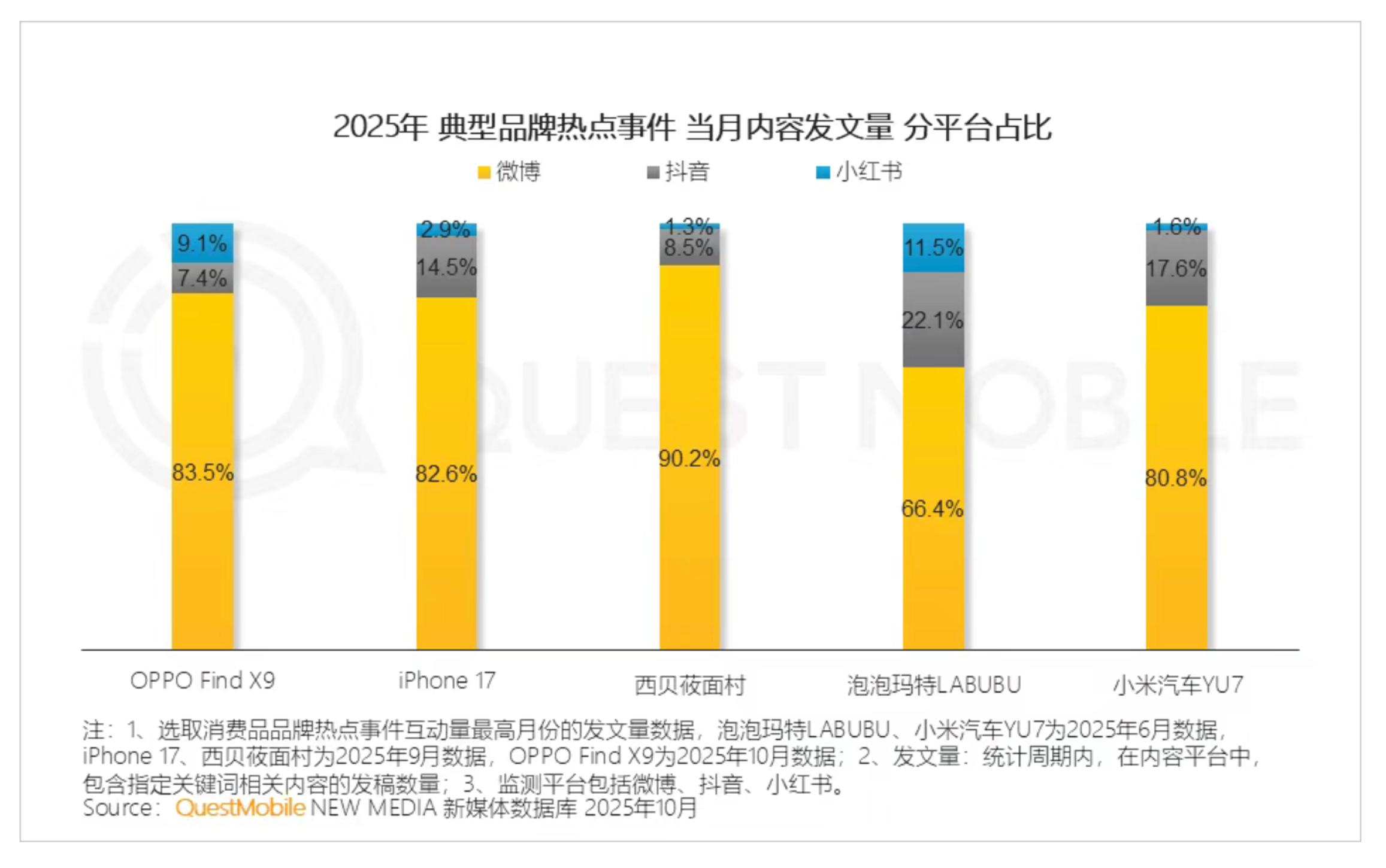
Core Insights - The integration of IP (Intellectual Property) with toys has transformed simple product transactions into a deeper emotional and cultural experience for consumers, making toys not just consumer goods but also trendy collectibles [1][2] Group 1: Importance of IP in the Toy Industry - The necessity of IP in the toy industry is emphasized, as it allows brands to connect cultural content with products, enhancing emotional resonance and consumer engagement [2] - Successful brands in the competitive toy market are often backed by strong, well-recognized IPs that serve as the soul of the products and create emotional connections with consumers [2][3] - The rise of domestic cultural IPs reflects a strong emotional connection among Chinese consumers, indicating a shift towards valuing local culture in the toy market [3][4] Group 2: Market Trends and Consumer Behavior - The transition from conventional products to IP collaborations is a common growth path for Chinese toy companies, aiming for higher value products and brand equity [4] - The demand for high-value consumption is driven by emotional resonance, with consumers willing to pay for the cultural and emotional significance of the IPs [5][6] - The emergence of "meaningful consumption" reflects a shift in consumer preferences towards products that fulfill emotional and social needs rather than just entertainment [6][7] Group 3: Emotional Engagement and Content Creation - Successful IPs today are characterized by their ability to resonate with contemporary emotions and provide a platform for user participation in content creation [8][9] - The new generation of consumers seeks products that reflect their identities and emotions, indicating a shift from mere transactions to emotional consumption [9]
千亿玩具潮玩市场,在淘宝天猫寻找下一个“爆款密码”?
Sou Hu Cai Jing· 2025-11-21 16:04
Core Insights - The younger generation is increasingly engaged in purchasing collectibles and trendy toys, indicating a shift in consumer behavior towards emotional value rather than practicality [2][20] - The toy and trendy toy market in China is projected to reach approximately 153.6 billion yuan by 2025, with a year-on-year growth of 26%, highlighting it as a significant new consumption trend [2][11] - Tmall has established itself as the leading online platform for trendy toys, capturing 75.8% of the market share during the first phase of the Double 11 sales event in 2025 [5][11] Market Dynamics - The Tmall platform has seen a consistent double-digit growth in the trendy toy sector during the Double 11 period, with over 300,000 new products launched and more than 10,000 merchants experiencing doubled growth [2][10] - The trend of limited edition releases and the cultural significance of collectibles have created a unique consumer experience, where purchasing items at original prices is perceived as a victory [9][10] - The collaboration between Tmall and major IP companies like miHoYo and Bubble Mart has led to significant sales achievements, with some products reaching sales figures exceeding 500 million yuan [13][19] Consumer Behavior - The consumer base for trendy toys is expanding across various age groups, from elementary school students to older generations, indicating a broad appeal [8][28] - The emotional connection and community aspect of collecting trendy toys are driving consumers to engage in late-night purchases and participate in exclusive sales events [9][30] - The rise of "star trendy toys" associated with popular figures has further accelerated sales, showcasing the intersection of fandom and consumerism [28][30] Strategic Positioning - Tmall's long-term strategic investments in the trendy toy sector have established a robust infrastructure that supports brands in logistics, marketing, and consumer engagement [14][18] - The platform's ability to provide comprehensive support for brands, including data insights and marketing strategies, has positioned it as a critical player in the growth of the trendy toy market [23][24] - Tmall's focus on emotional value and community engagement is reshaping the landscape of consumer goods, making it a fertile ground for emerging brands and trends [30][22]

“讨好型”商业正在被抛弃,新商业更需要“反叛精神”?
3 6 Ke· 2025-08-13 02:18
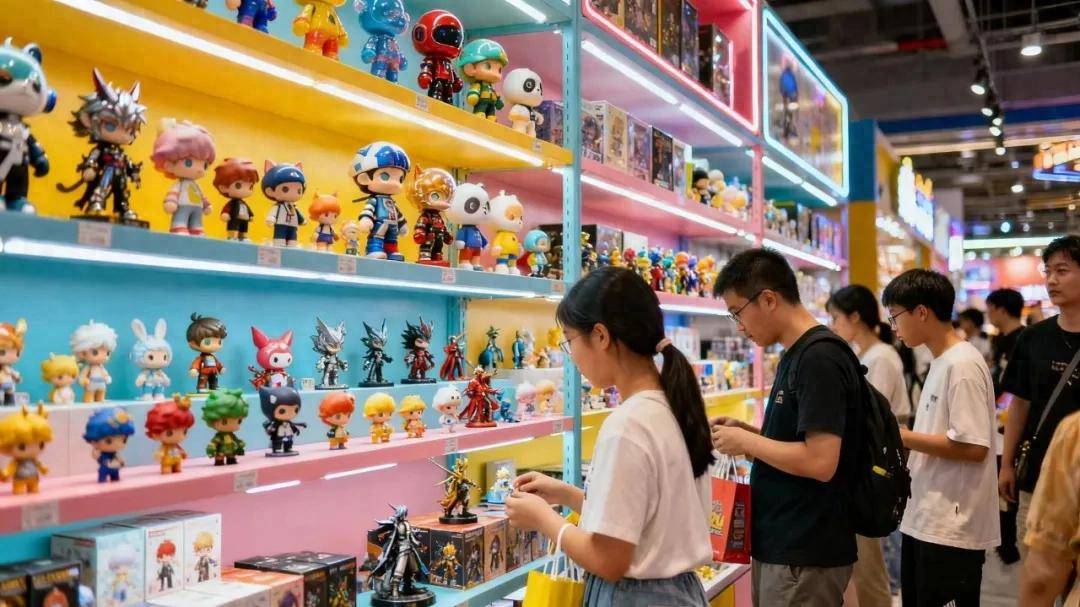
Core Insights - The traditional "one-stop, all-format" model in commercial real estate is facing challenges due to market saturation and changing consumer preferences, particularly among younger generations who prioritize individuality and emotional engagement over mere functionality and price [1][2][4] Group 1: Changing Consumer Behavior - The younger generation is willing to pay for symbols that represent their identity, emotional experiences, and participation in creative processes [1][2] - The success of products like LABUBU, which achieved 3 billion in annual sales, illustrates the appeal of brands that resonate with the "rebellious" mindset of today's consumers [1][2] Group 2: Unique Experiences Over Broad Appeal - In competitive environments, such as Zhengzhou's Poly Jiujie, businesses are shifting from a family-friendly approach to themes that cater specifically to young adults seeking unique nightlife experiences [4] - The focus is on creating distinct experiences that cannot be easily replicated in daily life, moving away from a strategy that aims to please everyone [2][4] Group 3: Emotional Engagement - Emotional triggers are becoming more important than functional offerings in driving consumer decisions, with over 90% of purchases influenced by subconscious emotional responses [5][8] - Businesses are encouraged to design spaces that consistently evoke emotional experiences, rather than relying on one-off events [5][8] Group 4: Cultural and Creative Spaces - Locations like Tokyo's HARAKADO and Shenzhen's MIXTURE are redefining commercial spaces as cultural hubs that foster creativity and community engagement, rather than just retail environments [6][7] - These spaces incorporate various activities and themes that encourage emotional connections and community participation, enhancing customer loyalty [6][7] Group 5: Co-Creation and Consumer Involvement - The shift towards user empowerment is evident, with consumers increasingly becoming co-creators in the value chain, enhancing brand loyalty through personal investment in the brand narrative [9][10] - Examples include interactive events and open creative spaces that allow consumers to engage directly with creators, fostering a sense of ownership and emotional attachment to the brand [9][10] Group 6: Lasting Impressions - The essence of successful commercial ventures lies in their ability to leave a lasting emotional imprint on consumers, rather than merely focusing on product quantity [12] - Brands that facilitate consumer expression and creativity are more likely to cultivate enduring relationships with their audience, transforming commercial spaces into emotional containers [12]
时尚中国 荣耀东方
Sou Hu Cai Jing· 2025-06-16 04:36
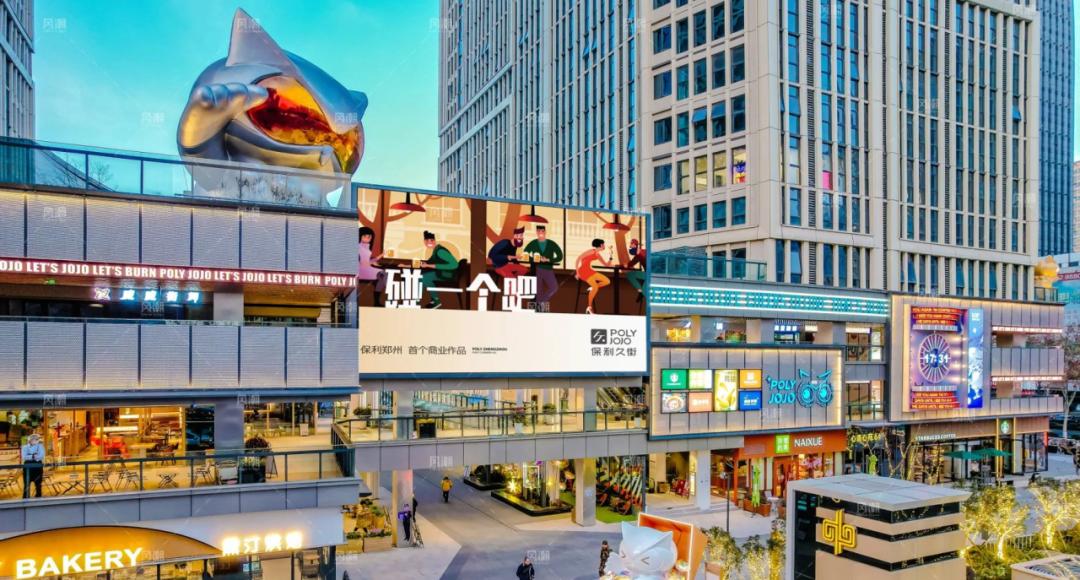
Core Insights - The Chinese fashion industry is experiencing a golden era driven by consumption upgrades and cultural confidence, as highlighted by the 2025 China Fashion Industry Gala held in Shanghai [1][42] - The event aims to create a platform for the fashion industry, promoting high-quality development and showcasing Chinese aesthetics on a global stage [1][42] Group 1: Event Overview - The 2025 China Fashion Industry Gala took place from June 12 to 13, featuring three main segments: thematic exchanges, "Fashion China Night," and investment meetings [1][42] - The gala was guided by the Ministry of Culture and Tourism and the Shanghai Municipal Government, with various cultural and tourism organizations involved in its execution [1][42] Group 2: Thematic Exchange Insights - The China Cultural Media Group released the "China Fashion Consumption Development Report," analyzing consumer preferences and habits based on over 1,600 surveys and interviews [11][43] - Key speakers from the arts and fashion sectors discussed the deep influence of Eastern aesthetics on contemporary fashion, emphasizing the importance of cultural heritage [11][12] Group 3: Fashion Trends and Consumer Insights - The report identified eight key trends in Chinese fashion consumption, including the rise of domestic brands and the integration of technology in fashion [40][50] - The younger consumer demographic, particularly those born in the 1990s and 2000s, is increasingly willing to spend on culturally rich products, with a projected average spending of over 1,500 yuan in 2024 [27][47] Group 4: Cultural and Technological Integration - The fashion industry is seen as a bridge connecting cultural industries, consumer goods manufacturing, and modern services, showcasing significant market potential [24][48] - The integration of technology, such as AI and new materials, is expected to enhance the value of the fashion industry, creating a new ecosystem for fashion in China [32][34] Group 5: Fashion Show Highlights - "Fashion China Night" featured a 25-minute show with 90 designer pieces that blend traditional Chinese elements with modern aesthetics [35][36] - The show included various thematic segments that highlighted the cultural significance of Chinese craftsmanship and design [35][36][39] Group 6: Future Directions - The Chinese fashion industry is transitioning from "Made in China" to "Defined by China," focusing on cultural creation and innovation [32][34] - The emphasis on cultural confidence and the rise of local designers are reshaping the competitive landscape of the fashion industry, challenging international brands [32][34]