情绪知识

Search documents
站在长辈肩膀上的人工智能
3 6 Ke· 2025-10-29 11:18
Core Insights - The article emphasizes the unique value of the elderly in the AI era, highlighting their emotional intelligence, life experience, and communication wisdom, which AI currently lacks [1][2][4][5]. Group 1: Unique Value of the Elderly - Emotional knowledge is a critical area where AI needs improvement, as it involves recognizing others' emotions and demonstrating empathy and understanding in communication [2][4]. - The life experiences of the elderly represent a valuable societal asset, allowing them to perceive and manage interpersonal emotions and relationships effectively [4][5]. - Elderly individuals possess a deep understanding of social changes and values, which can provide AI with a historical perspective that transcends immediate data [5][6]. Group 2: AI Training Involving the Elderly - Data quality is crucial for AI systems, and the collaboration between Tencent and over a hundred social organizations has resulted in a comprehensive dataset that reflects the daily needs and expressions of the elderly [8][9]. - The research team employed a structured approach to extract emotional knowledge from the elderly, using semi-structured interviews to uncover deeper emotional logic behind their responses [11][12]. - Elderly individuals should not only be data providers but also actively participate in the AI training process, enhancing the system's responsiveness and emotional resonance [12][13]. Group 3: Analysis and Expansion of Elderly Responses - The research team analyzed 8047 question-answer pairs to understand the unique questioning logic of the elderly, revealing their preference for context-rich inquiries rather than straightforward demands [13][15]. - A dual analysis framework combining "scene + emotion" was developed to capture the intertwined functional and emotional needs expressed by the elderly [15][18]. - The study identified four common response styles among the elderly: empathetic support, rational guidance, experiential sharing, and practical instruction, each serving different emotional and practical needs [21][22]. Group 4: Future Implications - Incorporating the emotional intelligence and life wisdom of the elderly into AI training is a viable path to enhance AI capabilities, transforming it from a tool to a partner [32][33]. - This process redefines the role of the elderly in technology development, allowing them to contribute their knowledge and wisdom actively [33][34]. - The integration of elderly experiences into AI technology fosters intergenerational collaboration, bridging the digital divide and promoting a more inclusive intelligent society [35][36].

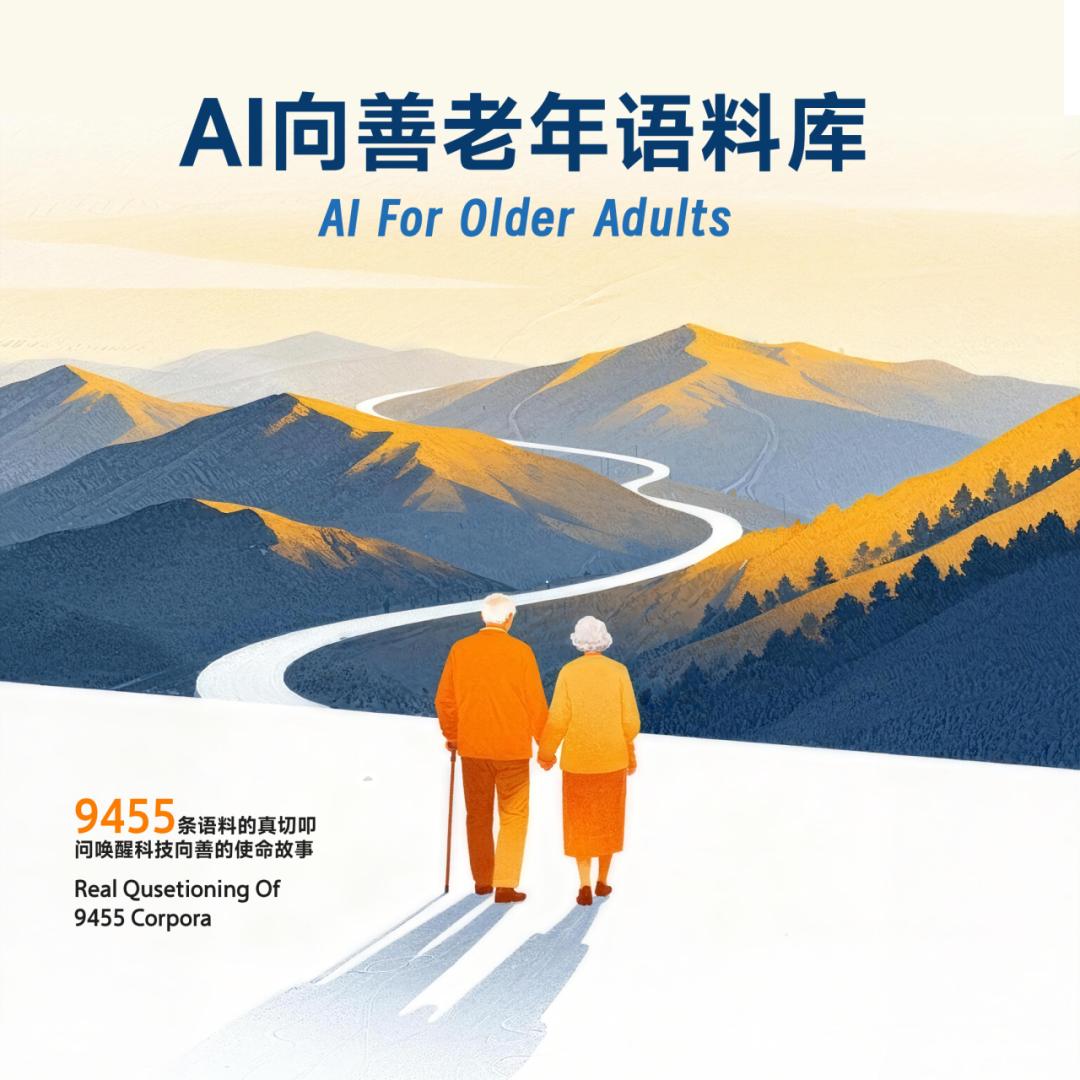
站在长辈肩膀上的人工智能|重磅发布
腾讯研究院· 2025-10-29 09:43
Core Insights - The article emphasizes the unique value that elderly individuals bring to the development of AI, particularly in terms of emotional knowledge and life wisdom, which AI currently lacks [1][3][10] - It advocates for viewing the elderly as active collaborators in AI development, rather than passive recipients, to enhance AI's understanding and companionship capabilities [1][3] Emotional Knowledge - Emotional knowledge is crucial for AI, encompassing the ability to recognize and respond to human emotions, which elderly individuals possess due to their extensive life experiences [3][4] - The elderly have developed a nuanced understanding of interpersonal dynamics, allowing them to interpret subtle emotional cues that AI struggles to replicate [5][6] Life Wisdom - The life experiences of the elderly represent a valuable societal asset, providing insights into social relationships and emotional intelligence that can inform AI training [6][7] - Their historical perspective allows AI to gain a deeper understanding of human behavior beyond immediate data, fostering a more sustainable judgment logic [7][8] Unique Response Styles - Elderly individuals have developed distinct communication styles characterized by indirectness and subtlety, which AI must learn to effectively engage with this demographic [9][10] - Understanding these response styles is essential for AI to resonate with elderly users, fostering familiarity and willingness to interact [9][10] Data Co-Creation - The quality of data is paramount in AI systems aimed at the elderly, with existing datasets reflecting real-life interactions and needs of this group [11][12] - The combination of responses from elderly individuals and social workers creates a rich dataset that captures the nuances of elderly communication and needs [12][14] Emotional Knowledge Extraction - Systematic methods are required to extract emotional knowledge from elderly responses, transforming their insights into structured training data for AI [15][16] - The research employs a three-tiered framework to delve into the emotional logic behind elderly responses, revealing deeper emotional needs [15][16] Co-Creation and Feedback Mechanisms - Elderly individuals should be involved in the AI training process, transitioning from mere data providers to active contributors in refining AI responses [17][18] - Engaging elderly users in testing AI responses can enhance the emotional resonance and effectiveness of AI interactions [17][18] Analysis of Elderly Queries - A systematic analysis of elderly queries reveals their unique questioning logic, emphasizing the need for AI to understand the context and emotional layers behind their inquiries [19][20] - The research identifies a dual demand in elderly questions, combining functional and emotional needs, necessitating a comprehensive approach to understanding their requirements [25][26] Response Style Preferences - Elderly individuals exhibit distinct preferences for response styles, with empathetic support being the most favored, highlighting the importance of emotional connection in communication [31][33] - The findings indicate that elderly users value responses that provide understanding, help, and emotional resonance, which should inform the design of AI communication systems [33][38] Development of Emotionally Intelligent AI - Integrating the emotional intelligence and life wisdom of the elderly into AI training is a viable strategy for enhancing AI capabilities [39][40] - This approach can facilitate a shift in AI's role from a mere tool to a partner that understands and resonates with human emotions [39][40] Redefining the Role of the Elderly - The involvement of elderly individuals in AI development repositions them from passive recipients to active contributors of knowledge and wisdom [41][42] - This shift challenges stereotypes about technology being solely for the younger generation, allowing the elderly to reclaim their social value in the digital age [41][42] Promoting Intergenerational Collaboration - The collaboration between elderly wisdom and AI technology fosters a more inclusive and human-centered approach to technological development [43][44] - This model not only bridges generational gaps but also contributes to a more compassionate and sustainable society [44][45]