
惠民政策落实

Search documents
2025年广西强化财政支持提升民生福祉
Xin Lang Cai Jing· 2026-01-21 22:37
Core Viewpoint - Guangxi is enhancing its fiscal policies with a focus on improving public welfare, aiming for a total public budget expenditure on social security, employment, and health care to reach 193.21 billion yuan in 2025, marking a historical high with a year-on-year growth of 10% [1] Group 1: Fiscal Expenditure - The total expenditure for social security and employment is projected to be 125.14 billion yuan, reflecting a year-on-year increase of 10.7% [1] - Health care expenditure is expected to reach 68.07 billion yuan, with an 8.7% year-on-year growth [1] Group 2: Employment and Income Support - Guangxi plans to allocate 3.25 billion yuan for employment subsidies, targeting key groups such as college graduates, migrant workers, and those facing employment difficulties [2] - The minimum standard for urban and rural residents' basic pension will be raised from 166 yuan to 186 yuan per person per month, with a total of 46.79 billion yuan earmarked for pension insurance subsidies [2] - A total of 5.04 billion yuan will be allocated for childcare subsidies, providing 3,600 yuan per year for each child under three years old [2] Group 3: Demonstration and Innovation - Guangxi is focusing on creating exemplary projects that enhance public service levels in social security, with initiatives like the "Nanning Experience" in high-quality public hospital development [2] Group 4: Management and Efficiency - A comprehensive regulatory system for social security funds is being established to maximize the effectiveness of fund usage, with a commitment to accountability for ineffective spending [3] - The implementation of instant settlement reforms for basic medical insurance funds aims to reduce the review and payment cycle to within five working days [3]
三亚崖州区:监督推动照料护理补贴精准落地
Hai Nan Ri Bao· 2025-12-30 02:06
Core Viewpoint - The article highlights the proactive measures taken by the disciplinary inspection and supervision commission of Sanya's Yazhou District to ensure that elderly residents in need receive government subsidies for care, addressing issues of information dissemination and service accessibility [1][2]. Group 1: Policy Implementation - The economic support for elderly individuals requiring long-term care aims to alleviate the financial burden of care costs for those with diminished self-care abilities [1]. - A significant gap was identified where only 8 out of 33 eligible elderly individuals were receiving the care subsidies due to poor information flow and insufficient proactive outreach by the local civil affairs bureau [1]. Group 2: Service Optimization - The disciplinary commission urged the civil affairs bureau to enhance service processes, including providing "one-stop" assistance for elderly individuals facing difficulties in application [2]. - A comprehensive approach was adopted, ensuring that all eligible elderly individuals were reached and assisted in applying for the subsidies, thereby preventing any eligible person from being overlooked [2]. Group 3: Community Engagement - The civil affairs bureau, under the commission's guidance, implemented a dynamic management model through data sharing and community outreach, which improved the effectiveness of the welfare policies [2]. - Feedback from elderly residents indicated a significant reduction in economic pressure due to the newly received subsidies, reflecting the positive impact of the government's efforts [2].
“惠民政策落不到村”,紧抓!(干部状态新观察·走进一线探作风)
Ren Min Ri Bao· 2025-12-29 02:49
Core Insights - The article discusses the challenges faced by the Party organization in Zhou Wu Village, highlighting issues of weak leadership and ineffective policy implementation [1][2] - The local government has initiated measures to strengthen the village's leadership and improve community engagement, resulting in progress on local projects [3][4] Group 1: Leadership and Governance - Zhou Wu Village has been identified as a weak Party organization for four times in the past decade, with local officials citing insufficient capabilities and understanding among village leaders [1][2] - Frequent changes in village leadership have led to a lack of continuity and understanding of local issues, complicating governance [2] - The local Party committee has implemented a system for evaluating village leadership, leading to the appointment of a new village secretary who is recognized by both Party members and the community [2] Group 2: Community Engagement and Project Implementation - The local government has actively engaged with villagers to understand their concerns, which has led to a clearer identification of community needs and priorities [3] - The Party organization has taken a proactive role in coordinating projects, resulting in the resumption of the tourism road construction and improvements to community facilities [3][4] - Zhou Wu Village has successfully initiated the development of a mushroom industry, with the establishment of greenhouses expected to produce over 100,000 pounds of mushrooms annually [3] Group 3: Broader Implications for Local Governance - The establishment of Party offices in all townships has improved the capacity for implementing comprehensive governance, reducing inefficiencies and enhancing project execution [4][5] - The local government has focused on reducing bureaucratic burdens on grassroots organizations, allowing for more effective service delivery and community support [5] - The improvements in governance have led to increased public satisfaction with local policies, demonstrating a positive shift in community perception [6]
审计署:在养老领域,13省已归还被挪用的基金等130.83亿元
Sou Hu Cai Jing· 2025-12-22 09:53
Core Viewpoint - The report from the National Audit Office highlights the progress and issues in the execution of the 2024 central budget and other financial audits, emphasizing the importance of utilizing public funds for the benefit of the people and addressing urgent social needs [1] Group 1: Education Sector - The Ministry of Education is focusing on improving the quality of basic public education services, with specific measures being implemented in 22 cities, 24 counties, and 74 schools to address shortcomings in educational facilities [1] - A total of 1,668 schools across 123 counties have been identified with quality risks in their teaching buildings or student dormitories, with plans for new constructions or renovations [1] - Funding has been prioritized in 108 counties to enhance school conditions, including the establishment of computer network classrooms and the provision of dining facilities [1] Group 2: Pension Insurance Management - The Ministry of Human Resources and Social Security is enhancing the overall management of pension insurance funds, implementing nationwide coordination for basic pension insurance for enterprise employees [1] - As part of the initiative, 23 provinces have included 302,700 individuals from disadvantaged groups into the pension insurance system [1] - Additionally, 13 provinces have returned a total of 13.083 billion yuan that was misappropriated from pension funds [1]
梅山街道纪工委筑牢民生底线
Xin Lang Cai Jing· 2025-12-21 22:47
Core Viewpoint - The Meishan Street Discipline Inspection Commission in Yuhua District has prioritized the supervision of livelihood security funds as a key political oversight measure, implementing strict measures to address issues of negligence and misconduct in policy execution [1] Group 1: Supervision and Accountability - The commission has identified problems such as lax oversight in the review of senior citizens' pension disbursement and home care service supervision, which have negatively impacted policy effectiveness [1] - In response, the commission has held five special meetings and formed a joint supervision team involving multiple departments to enhance oversight mechanisms [1] Group 2: Financial Oversight - The commission has conducted thorough financial audits of projects related to senior pensions, health insurance, and home care services, verifying fund flows and recipients to prevent misappropriation [1] - As of now, six individuals have been dealt with under the "first form" of accountability, and four responsible persons have been formally investigated [1] Group 3: Future Plans - The commission aims to improve the regulatory framework for livelihood funds to ensure that every penny is effectively utilized, thereby enhancing the sense of gain among the public [1]
群众工作札记 | 规范高龄津贴管理
Zhong Yang Ji Wei Guo Jia Jian Wei Wang Zhan· 2025-10-21 00:08
Core Points - The article highlights a case of delayed high-age subsidy applications in Hanxian County, Sichuan Province, where an elderly person's application was neglected, leading to a failure in receiving entitled benefits [1] - The county's disciplinary inspection and supervision commission responded quickly to the incident, initiating an investigation and urging relevant departments to enhance the management of high-age subsidy distribution [1] - The case reflects broader issues in the implementation of welfare policies, including a lack of responsibility awareness, poor work ethics, and insufficient supervision [1] Summary by Sections Incident Overview - A report revealed that an elderly resident's application for high-age subsidies was left unprocessed for an extended period, preventing the individual from receiving benefits [1] - The incident prompted immediate action from the county's disciplinary body, leading to disciplinary measures against a staff member for inadequate performance [1] Management and Oversight - The county's disciplinary commission emphasized the importance of "supervision of supervision," utilizing a collaborative mechanism to ensure accountability among civil affairs departments [2] - A comprehensive investigation was conducted, identifying 48 individuals who should have received benefits but did not, and 42 who should have returned funds [2] - The county's civil affairs bureau employed data cross-referencing and field visits to enhance the accuracy of subsidy distribution [2] Policy Improvement Measures - The article discusses the implementation of effective practices from high-age subsidy oversight to other welfare funding areas, aiming to establish a long-term mechanism for monitoring [3] - Regular checks and audits are being conducted to ensure responsibilities are met and to address any issues promptly [3] - The approach aims to create a comprehensive effect by addressing individual cases while enhancing overall governance in welfare policy implementation [3]
群众工作札记 | 巡深实改 贯通发力
Zhong Yang Ji Wei Guo Jia Jian Wei Wang Zhan· 2025-09-02 00:05
Core Viewpoint - The article highlights the efforts of the Lai'an County government to ensure the effective implementation of the elderly subsidy policy, addressing issues related to the awareness and application processes among eligible recipients [1][2]. Group 1: Policy Implementation - Lai'an County has conducted two rounds of inspections focusing on the management of rural collective assets and the implementation of welfare policies, particularly the elderly subsidy [1]. - The inspections revealed that many eligible elderly individuals were unaware of the subsidy and had not applied for it, leading to issues such as late reporting and missed benefits [1][2]. - A total of over 300 issues related to the subsidy distribution were identified, including cases of eligible individuals not receiving benefits and deceased individuals still on the list [1][2]. Group 2: Governance and Oversight - The county has established a mechanism for problem identification and resolution, involving inspections, corrective actions, and oversight from relevant departments [1][2]. - A working group was formed by the county's civil affairs and finance departments to oversee the entire process of subsidy distribution, ensuring no eligible individuals are overlooked or incorrectly included [2]. - During the governance period, 2,494 new beneficiaries were added, while 1,511 deceased individuals were removed from the subsidy list [2]. Group 3: Future Focus - The county plans to continue addressing key issues affecting the implementation of welfare policies, aiming to enhance the overall well-being and satisfaction of the community [3].
政策落地变“乱收费”?惠民政策缘何被误解
Jing Ji Wang· 2025-06-18 06:18
Core Viewpoint - The implementation of the policy exempting elderly individuals (aged 60 and above) from registration fees in Ningxia is not being executed as intended, leading to public dissatisfaction and confusion regarding the actual benefits of the policy [1][2]. Group 1: Policy Existence and Background - The policy for exempting elderly individuals from registration fees was established in 2018 through the revision of the "Ningxia Hui Autonomous Region Elderly Rights Protection Regulations," which took effect on January 1, 2019 [2]. - The Ningxia Health Commission issued a notification in January 2019 mandating public medical institutions to implement the exemption for elderly patients [2]. Group 2: Implementation Issues - Despite the existence of the policy, elderly patients are still required to pay registration fees ranging from a few yuan to several tens of yuan when visiting hospitals [3]. - Hospital staff are often unaware of the exemption policy, indicating a lack of communication and training regarding the policy [3]. Group 3: Misunderstanding of Fees - The term "registration fee" as understood by the public does not align with the legal definition, which specifies that the exemption applies only to the nominal registration fees of 0.5 yuan or 1 yuan, while "diagnosis fees" are not included in the exemption [5]. - Many elderly patients mistakenly believe they are paying a registration fee that should be fully exempted, leading to frustration and perceptions of "hidden charges" [5][6]. Group 4: Recommendations for Improvement - To enhance the perception of the policy, it is suggested that hospitals and relevant departments clarify the distinction between registration fees and diagnosis fees, and improve communication regarding the exemption [6]. - The implementation of the policy should focus on increasing public awareness and understanding to ensure that the benefits are effectively realized by the elderly population [6].

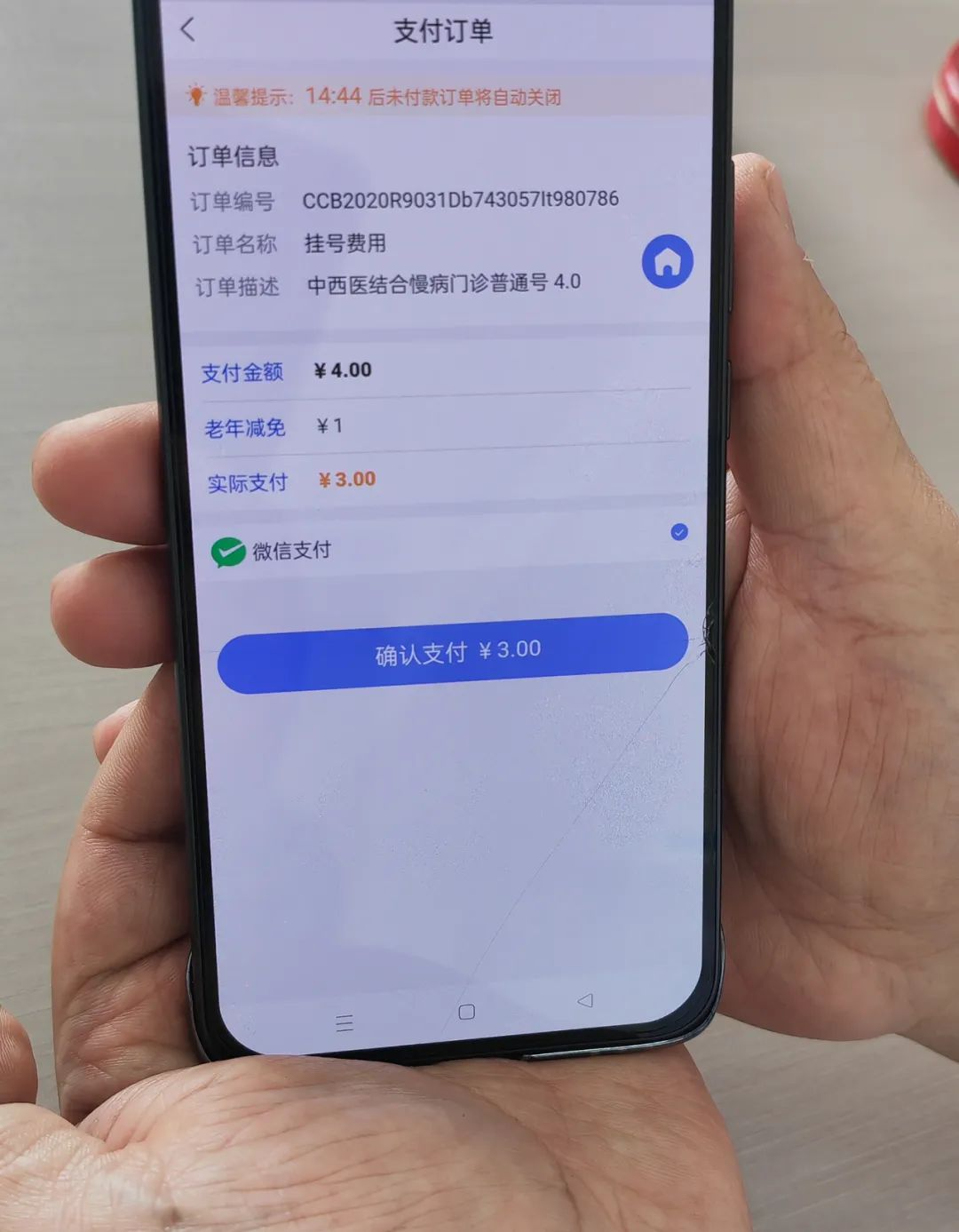
清除妨碍惠民政策落实“绊脚石”
Zhong Yang Ji Wei Guo Jia Jian Wei Wang Zhan· 2025-05-16 02:10
Group 1 - The article highlights issues of corruption and misconduct among local officials, specifically citing the case of Tian Shumin, who manipulated policies and misappropriated funds during her tenure as the head of the Women's Federation in Ninghe District [1] - It emphasizes the importance of implementing people's livelihood policies effectively, noting that some officials prioritize personal achievements over genuine public welfare, leading to policy distortions [1][2] - The article calls for a focus on grassroots governance and the need for officials to address the real concerns of the public, ensuring that even minor issues affecting citizens are taken seriously [2] Group 2 - The need for strict supervision and accountability in the implementation of livelihood policies is underscored, with a focus on preventing corruption and ensuring that benefits reach the intended recipients [3] - It discusses the role of data and technology in enhancing the monitoring of policy execution, aiming to identify and address issues in real-time [3] - The article stresses the importance of establishing long-term mechanisms to prevent corruption and improve the execution of policies, ensuring that all processes are transparent and regulated [3]