成本分摊与价格机制

Search documents
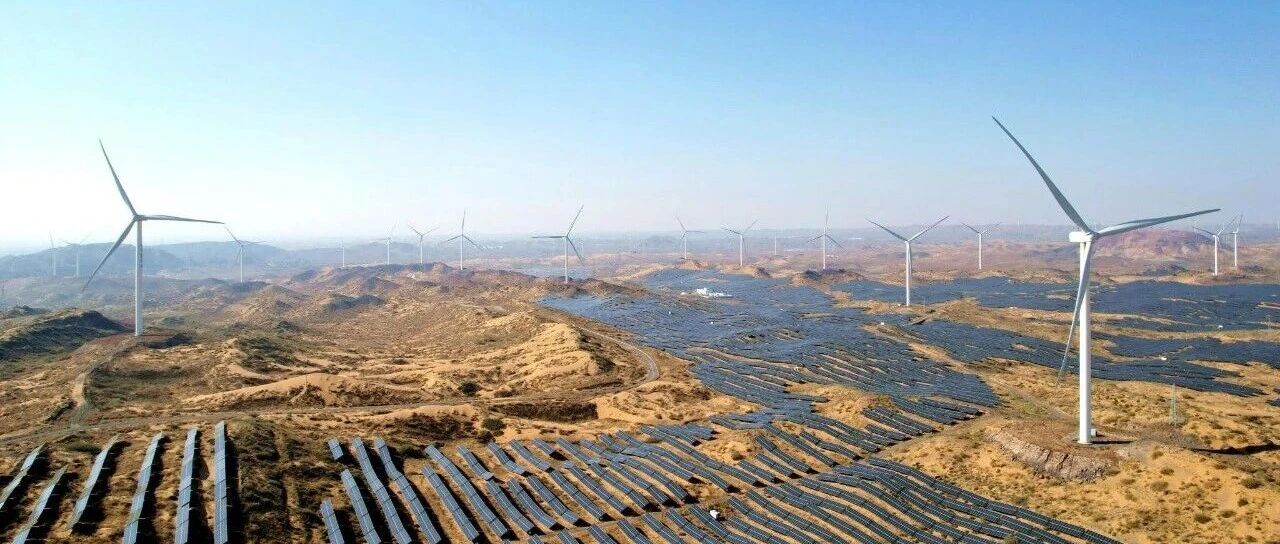
“十五五”是西北新能源“送得出、用得好”关键期
中国能源报· 2026-01-26 04:52
Core Viewpoint - The Northwest power grid is crucial for achieving China's 2035 target of 3.6 billion kilowatts of installed wind and solar capacity, but faces significant challenges in local consumption and external transmission of renewable energy [2][4]. Group 1: Current Status and Achievements - Since the 14th Five-Year Plan, the Northwest region has rapidly developed renewable energy, with a cumulative new installed capacity of 230 million kilowatts, bringing the total to 360 million kilowatts, accounting for 58% of the national total [4]. - The Northwest power grid's external transmission capacity has been enhanced by 14 operational DC channels, supporting the national energy framework [4]. - In the first 11 months of 2025, cross-province electricity trading in the Northwest reached 45.91 billion kilowatt-hours, a 27% year-on-year increase, with a significant rise in the share of renewable energy [4]. Group 2: Challenges Faced - Despite achievements, the Northwest renewable energy sector faces challenges in system operation costs, market mechanisms, and physical reliability [7]. - The current cost allocation mechanism is inadequate, leading to an unfair burden on local industrial and commercial users, while the benefits of renewable energy transmission primarily accrue to economically developed receiving regions [8]. - There are inconsistencies in market rules across provinces, creating barriers to resource flow and limiting the efficiency of renewable energy transactions [8][9]. Group 3: Recommendations for Improvement - Experts suggest establishing a fair cost-sharing mechanism for external transmission, integrating it into the system operation cost allocation for sending provinces [10]. - It is recommended that policies be adjusted to allow eastern high-energy-consuming users to engage directly with western power producers, thereby sharing the responsibility for green energy [10]. - The promotion of flexible trading models and the use of AI technology for optimized scheduling are advised to enhance the market value of renewable energy [10][11].