
市场机制创新

Search documents
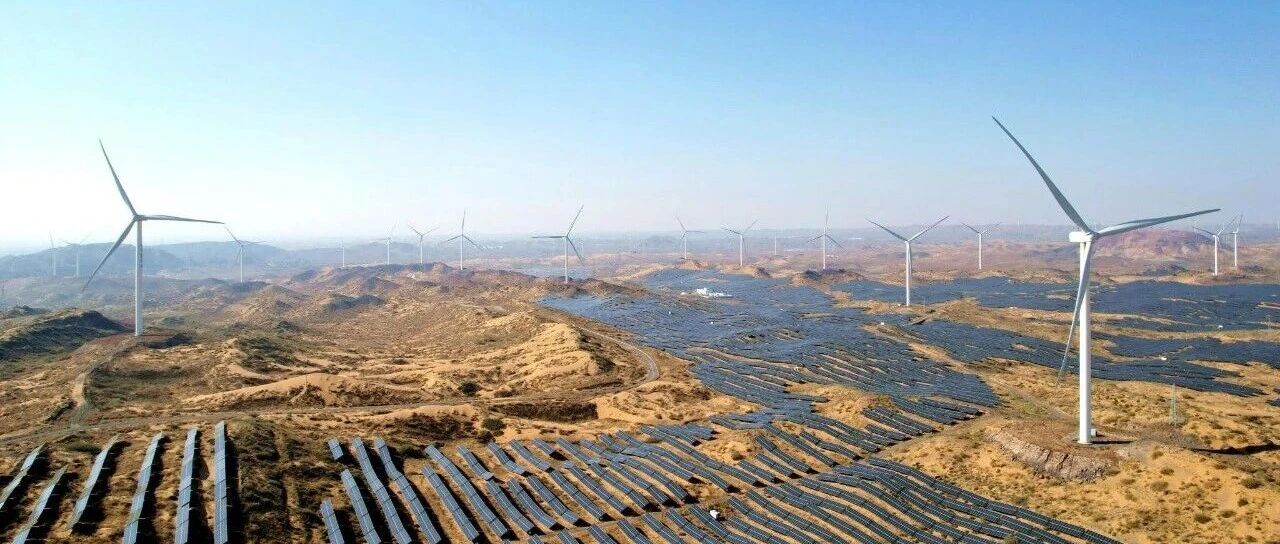
“十五五”是西北新能源“送得出、用得好”关键期
中国能源报· 2026-01-26 04:52
Core Viewpoint - The Northwest power grid is crucial for achieving China's 2035 target of 3.6 billion kilowatts of installed wind and solar capacity, but faces significant challenges in local consumption and external transmission of renewable energy [2][4]. Group 1: Current Status and Achievements - Since the 14th Five-Year Plan, the Northwest region has rapidly developed renewable energy, with a cumulative new installed capacity of 230 million kilowatts, bringing the total to 360 million kilowatts, accounting for 58% of the national total [4]. - The Northwest power grid's external transmission capacity has been enhanced by 14 operational DC channels, supporting the national energy framework [4]. - In the first 11 months of 2025, cross-province electricity trading in the Northwest reached 45.91 billion kilowatt-hours, a 27% year-on-year increase, with a significant rise in the share of renewable energy [4]. Group 2: Challenges Faced - Despite achievements, the Northwest renewable energy sector faces challenges in system operation costs, market mechanisms, and physical reliability [7]. - The current cost allocation mechanism is inadequate, leading to an unfair burden on local industrial and commercial users, while the benefits of renewable energy transmission primarily accrue to economically developed receiving regions [8]. - There are inconsistencies in market rules across provinces, creating barriers to resource flow and limiting the efficiency of renewable energy transactions [8][9]. Group 3: Recommendations for Improvement - Experts suggest establishing a fair cost-sharing mechanism for external transmission, integrating it into the system operation cost allocation for sending provinces [10]. - It is recommended that policies be adjusted to allow eastern high-energy-consuming users to engage directly with western power producers, thereby sharing the responsibility for green energy [10]. - The promotion of flexible trading models and the use of AI technology for optimized scheduling are advised to enhance the market value of renewable energy [10][11].

以绿色低碳转型引领土地生产率提升
Zhong Guo Huan Jing Bao· 2025-09-15 02:09
Core Viewpoint - The green low-carbon transition of land is essential for enhancing land productivity and achieving high-quality development in the context of global climate change and China's dual carbon goals [1][2]. Strategic Significance of Green Low-Carbon Transition - The green low-carbon transition is a necessary response to global climate challenges and is crucial for ensuring land resource security and driving industries towards high-quality development [2]. - Traditional land use models contribute to high carbon emissions and ecological degradation, necessitating a shift to low-carbon and zero-carbon models through practices like ecological agriculture and organic fertilizers [2]. - Optimizing land resource allocation and improving resource utilization efficiency are key measures to address the pressures on land resources from population and economic factors [2]. Core Driving Force for Industrial Upgrading - The green low-carbon transition of land is closely linked to industrial upgrading, promoting a shift from traditional extensive land use to intensive and intelligent use [3]. - The application of green building technologies and low-carbon parks enhances resource efficiency and attracts high-end elements, injecting new momentum into economic high-quality development [3]. Key Issues Hindering Productivity Improvement - Outdated and extensive land use methods are major obstacles to improving land productivity, leading to ecological degradation and resource wastage [4]. - High-carbon models result in severe ecological damage, while low land utilization efficiency in urban and rural areas exacerbates resource waste [4][5]. Implementation Pathways for Enhancing Land Productivity - Optimizing land use structure and promoting industrial low-carbonization are essential steps, including reducing high-carbon crop planting and expanding ecological agriculture [6]. - Strengthening technological innovation and enhancing resource utilization efficiency through smart agriculture and low-carbon building technologies are critical [7]. - Encouraging market mechanisms and social capital participation in green low-carbon projects can activate land factor value and support land productivity enhancement [7][8]. - Establishing a robust policy framework and enhancing public awareness are necessary to foster a collaborative effort towards the green low-carbon transition [8].