
战略独立

Search documents
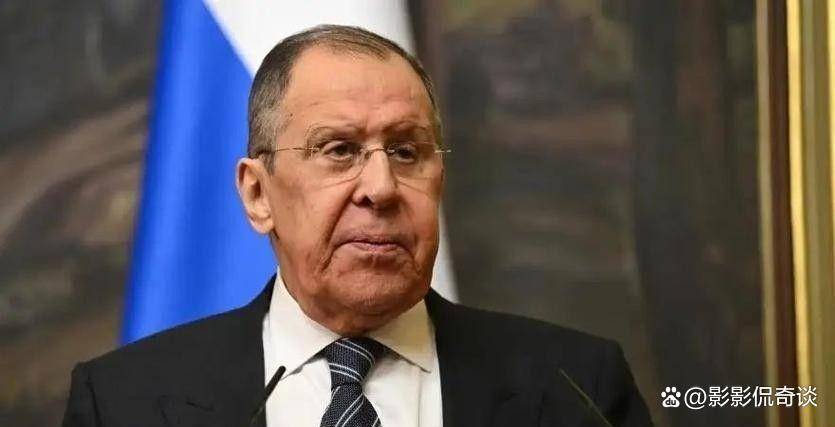
特朗普轻飘飘一句话,断了8国后路,俄罗斯外长:中国已经打赢了
Sou Hu Cai Jing· 2026-01-22 19:09
Group 1 - The core issue revolves around the U.S. imposing tariffs on eight European countries in response to their support for Denmark's sovereignty over Greenland, showcasing a departure from traditional diplomatic norms [1][3][5] - Trump's announcement of tariffs starting February 1 was characterized by a hardline stance, indicating a lack of willingness to negotiate or compromise [3][5] - The irony lies in the fact that the U.S. failed to acquire Greenland and subsequently retaliated against those upholding international law, revealing a contradiction in its foreign policy [5][7] Group 2 - The immediate consequence of Trump's actions was the European Parliament's urgent discussions to halt a previously negotiated trade agreement, undermining U.S. expectations of financial gain from Europe [7][8] - Russia's Foreign Minister Lavrov pointed out that Western countries, unable to compete in manufacturing and infrastructure, resort to sanctions and tariffs as their primary tools [8][11] - China's adherence to established international rules has allowed it to thrive, contrasting with the West's reliance on coercive measures when faced with competition [9][11] Group 3 - The article highlights Europe's vulnerability due to its reliance on external energy sources and the outsourcing of its supply chains, making it less resilient to U.S. economic pressures [14][18] - The ongoing situation reflects a strategic miscalculation by Europe, which has tied its security and development too closely to U.S. interests, leading to a precarious position [15][17] - The friction between the U.S. and Europe is described as a lose-lose scenario, with both parties suffering significant consequences while China benefits from a stable development strategy [20][21]

美被爆施压欧盟对中俄加税,外交部:中方坚决反对所谓“经济压力”
Huan Qiu Shi Bao· 2025-09-10 22:45
Group 1 - The core viewpoint of the articles indicates that President Trump is pushing for the EU to impose tariffs of up to 100% on India and China as a strategy to pressure Russia regarding the Ukraine conflict [1][2][3] - The U.S. is attempting to bind Europe to its strategic framework, but this may exacerbate tensions between the U.S. and Europe [1][3] - European officials are concerned about the implications of U.S. sanctions on Russia, especially given their ongoing energy purchases from Russia and the potential impact on trade relations with China and India [2][3] Group 2 - Trump's proposal has significant implications for European interests, potentially leading to increased internal conflicts within Europe and a reevaluation of its relationship with the U.S. [3] - The U.S. is frustrated by the lack of progress in achieving a ceasefire in Ukraine, which is reflected in Trump's contradictory statements regarding trade negotiations with India [3][4] - Despite friendly rhetoric towards India, Trump's imposition of tariffs and the legal challenges he faces suggest that his approach may be more about negotiation leverage than genuine partnership [4]