
房价高企

Search documents
买不起房不算啥!比买不起房更烦恼的4件事,在各大城市出现
Sou Hu Cai Jing· 2025-11-09 08:25
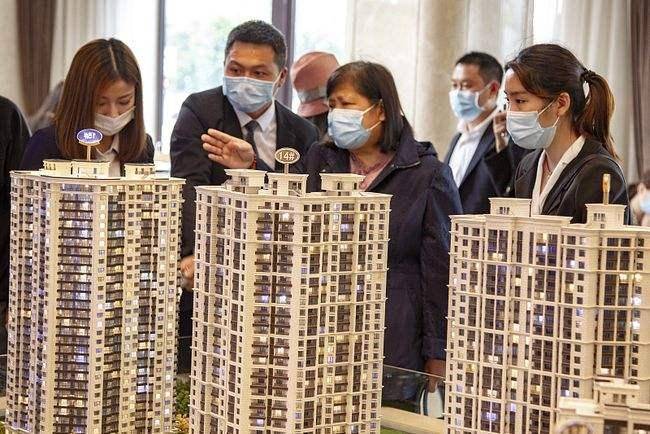
Core Insights - The obsession of Chinese citizens with home ownership is deeply ingrained, with buying a house seen as essential for marriage, education, and settling down, despite high property prices acting as a barrier [1] Group 1: Housing Affordability Issues - The average price of new residential properties in 100 cities reached 16,190 yuan per square meter in November 2022, while second-hand homes averaged 15,911 yuan per square meter, making it difficult for families to afford homes costing between 1.5 million to 2 million yuan [1] - Renting has become a secondary option for many young people, but rising rents in major cities add financial pressure, with a 45 square meter one-bedroom apartment in Shanghai costing around 4,500 yuan per month [2] Group 2: Financial Strain on Families - Many first-time homebuyers are forced to deplete their parents' life savings to afford down payments, raising concerns about the financial security of their parents in retirement [2] - The burden of long-term mortgages, often spanning 20 to 30 years, leads to significant monthly payments, which can exceed 5,000 yuan, leaving little disposable income for other expenses [4] Group 3: Declining Property Values - Since the second half of last year, property prices in many cities have begun to decline, with some cities experiencing price drops to levels seen three to five years ago, causing regret among those who purchased homes at high prices [6]

韩国:单人户数量首次破1000万 占家庭总数比重超4成
Xin Hua She· 2025-08-28 02:56
Core Insights - The number of single-person households in South Korea is projected to exceed 10 million in 2024, accounting for over 40% of total households [1] Household Composition - In 2024, the total number of households in South Korea is estimated to be 24.119 million, an increase of approximately 1 million from 2020 [1] - The number of single-person households will reach 10 million in 2024, representing 42% of total households, up from 39.2% in 2020 [1] - The number of two-person households has also increased from 5.4 million in 2020 to 6.01 million in 2024 [1] - Conversely, the number of households with four or more members has decreased by 670,000 during the same period, dropping to 3.94 million in 2024 [1] Societal Trends - The rise in single-person households is attributed to demographic changes and shifts in social attitudes, including delayed marriage and childbearing among young people due to economic pressures and high housing costs [1] - Additionally, the acceleration of aging in South Korean society contributes to the increase in single-person households [1]