房地产下半场靠服务盈利

Search documents
楼市急冻 卖房还是死守?普通人财富新风口揭晓,房地产转折点来了
Sou Hu Cai Jing· 2026-01-15 14:13
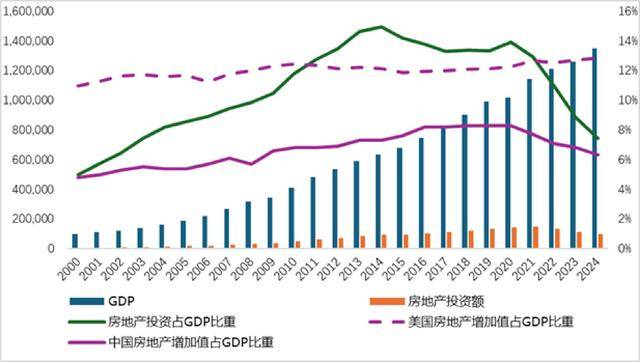
Core Viewpoint - The real estate market in China is experiencing a significant downturn, moving away from the previous speculative investment model, leading to a focus on service-oriented revenue streams in the housing sector [1][3][15] Group 1: Market Changes - The real estate market has cooled significantly since 2016, with tighter regulations leading to a decline in investment and a shift away from the previous high-leverage, fast-turnover model [3][13] - The once-booming housing market is now characterized by an oversupply of second-hand homes and declining prices, causing uncertainty among homeowners [1][3] Group 2: New Revenue Models - The future of the real estate market lies in service-oriented business models, similar to those in mature markets like the U.S., where income is generated from rental, property management, and various housing services rather than solely from new construction [5][7] - Developers are encouraged to enhance living experiences through improved property management, smart community features, and comprehensive amenities to remain competitive [9][15] Group 3: Investment Opportunities - REITs (Real Estate Investment Trusts) are lowering the barriers for ordinary investors to participate in commercial real estate, allowing them to earn rental income and returns similar to institutional investors [11][13] - The government is focusing on stabilizing the housing market by discouraging speculative buying and promoting investment in well-managed properties and professional rental markets [13][15] Group 4: Long-term Outlook - The era of quick profits from real estate speculation is over, and the market is returning to a more rational state where quality living experiences and professional services will drive value [15] - Investors who can adapt to the new landscape and focus on accumulating value through quality housing and services will be better positioned for future opportunities [15]