
房屋体检制度

Search documents
如何让老房安全又宜居,多地持续推进房屋体检制度落地
Xin Lang Cai Jing· 2026-02-03 00:12
Core Viewpoint - The implementation of a building safety inspection system is being established in various cities, including Nantong, Jiangsu Province, to ensure the safety of aging residential and commercial buildings, with inspections mandated at specific intervals based on the age and type of the building [2][4][7]. Group 1: Implementation of Safety Inspections - Nantong's new safety inspection regulations require buildings over 25 years old to undergo inspections every five years, while urban residential buildings must be inspected every ten years [2]. - The Ministry of Housing and Urban-Rural Development emphasizes the need for a comprehensive safety management system throughout a building's lifecycle, including regular inspections to ensure safety [2][6]. Group 2: Current Practices and Examples - In cities like Changsha and Ningbo, similar inspection systems have been established, detailing specific inspection frequencies based on building age and type [2][7]. - In Taizhou, inspections have led to a 90% reduction in accident rates in older neighborhoods, significantly extending the lifespan of buildings and enhancing residents' safety and comfort [5]. Group 3: Financial Aspects and Funding Models - Various funding models for inspections are being explored, such as using housing provident fund returns for inspection costs in Nantong and a combination of insurance and inspection services in Yantai [8]. - The financial structure aims to ensure that the costs of inspections do not overly burden homeowners while promoting safety [11]. Group 4: Legal Framework and Recommendations - Experts suggest establishing a clear legal status for building inspections, making them a mandatory part of public safety governance rather than voluntary services [10]. - Recommendations include creating a robust accountability system for inspection agencies and ensuring stable funding sources for inspections, including public accounts and insurance mechanisms [11].

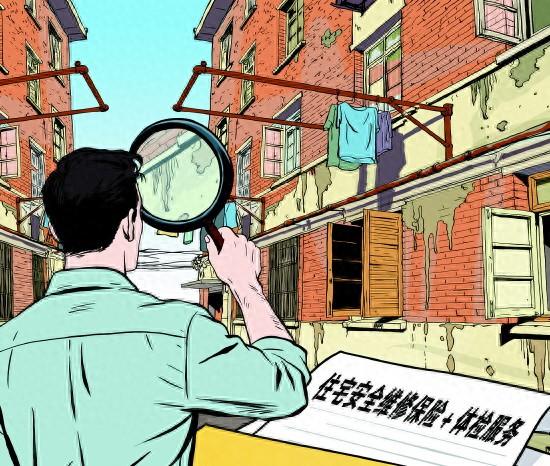
多地加快推进房屋体检制度,查什么、谁出钱?
Jing Ji Wang· 2025-12-15 02:23
Core Viewpoint - Several cities, including Zhengzhou, Changsha, and Nantong, are accelerating the implementation of a housing inspection system to ensure safety throughout the lifecycle of buildings [2] Group 1: Housing Inspection System - The main contents of the housing inspection include structural safety, fire safety, and functional facilities, with structural safety being the top priority [2] - Zhengzhou's proposed guidelines emphasize the inspection of critical components such as foundation, main structure, and equipment, with safety indicators being mandatory [2] Group 2: Funding Sources - The funding for inspections is being diversified, with government support as a baseline, while property safety responsibility holders are expected to cover costs for public buildings and self-built commercial properties [2] - Some regions encourage the use of public property revenue to collectively fund inspections for properties within their service areas [2]
多地加快推进房屋体检制度 体检查什么、费用谁出?
Yang Shi Xin Wen Ke Hu Duan· 2025-12-15 01:39
Core Viewpoint - Multiple cities, including Zhengzhou, Changsha, and Nantong, are accelerating the implementation of a housing inspection system to ensure safety throughout the lifecycle of buildings [2] Group 1: Housing Inspection System - The housing inspection system aims to identify safety hazards and ensure the safe use of buildings [2] - Key inspection areas include structural safety, fire safety, and functional facilities, with structural safety being the most critical aspect [2] - Zhengzhou's proposed guidelines emphasize the inspection of foundation, main structure, equipment, and the connections between these components, with safety indicators being mandatory [2] Group 2: Funding Sources - The funding for inspections is being diversified, with government support as a baseline [2] - For public buildings and self-built commercial properties, the costs are generally to be borne by the property safety responsible party [2] - Some regions encourage the use of public property revenue to fund collective inspections in service areas [2]
如何让“老房子”安全宜居?多地加快推进房屋体检制度落地
Yang Shi Wang· 2025-12-14 20:49
Core Viewpoint - The implementation of a housing inspection system is being accelerated in several cities, including Zhengzhou, Changsha, and Nantong, to ensure the safety of buildings throughout their lifecycle [1] Group 1: Housing Inspection Requirements - Cities like Zhengzhou plan to conduct initial inspections on urban residential buildings that are 30 years or older, with a reward-based subsidy for non-residential buildings of the same age [2] - Nantong and Changsha have also established guidelines for inspecting buildings over 25 years old every five years [2] Group 2: Focus of Inspections - The primary focus of inspections is on structural safety, fire safety, and functional facilities, with structural safety being the most critical aspect [5] - In Zhengzhou, inspections will assess the foundation, main structure, and equipment, with safety indicators being mandatory [5] Group 3: Inspection Funding - The funding for residential building inspections will be covered by the government, while non-residential building inspection costs will be borne by the property safety responsibility holders, with a 50% subsidy from the public account [6] - Various cities are exploring diversified funding sources, including using property management revenue for collective inspections [7]
房屋体检有望在多个城市铺开
Zheng Quan Ri Bao· 2025-11-20 16:18
Core Insights - The implementation of housing inspection systems is being advanced in multiple cities, including Zhengzhou, Dongguan, Wuhan, and Changsha, with a focus on establishing funding mechanisms for these inspections [1][2] Group 1: Housing Inspection Implementation - Zhengzhou has released a draft notification outlining a pilot program for housing safety management, which includes the establishment of three systems: housing safety management funding, housing inspection, and housing insurance [1] - The initial inspection will target urban residential buildings aged 30 years and older, with a reward-based approach to support inspections for non-residential buildings of the same age [1] - Inspection results will categorize buildings as "pass," "basically pass," or "fail," with failed buildings requiring immediate cessation of use and further safety assessments or repairs [1] Group 2: Technical Guidelines and Frequency - Similar to Zhengzhou, many cities are focusing on buildings around 30 years old as primary inspection targets, with specific guidelines for inspection frequency based on building age and type [2] - For instance, in Changsha, buildings over 25 years old must undergo inspections every five years, while residential buildings with multiple owners must be inspected at least once every ten years [2] - The Wuhan Earthquake Engineering Research Institute has implemented detailed technical guidelines for inspections, ensuring accurate data collection and comprehensive lifecycle management [2] Group 3: Market Context and Future Implications - The real estate market in China has entered a phase of stock management, with urban renewal becoming a key driver for industry growth [3] - Housing inspections are expected to identify safety risks and minor renovation needs, facilitating the establishment of public funding accounts for urban renewal projects [3] - The comprehensive rollout of housing inspections is anticipated to provide a scientific basis for urban renewal decisions, enhancing the precision of funding allocation and renovation strategies [2][3]