手机元器件涨价

Search documents
多品牌手机悄然提价
2 1 Shi Ji Jing Ji Bao Dao· 2025-10-31 04:31
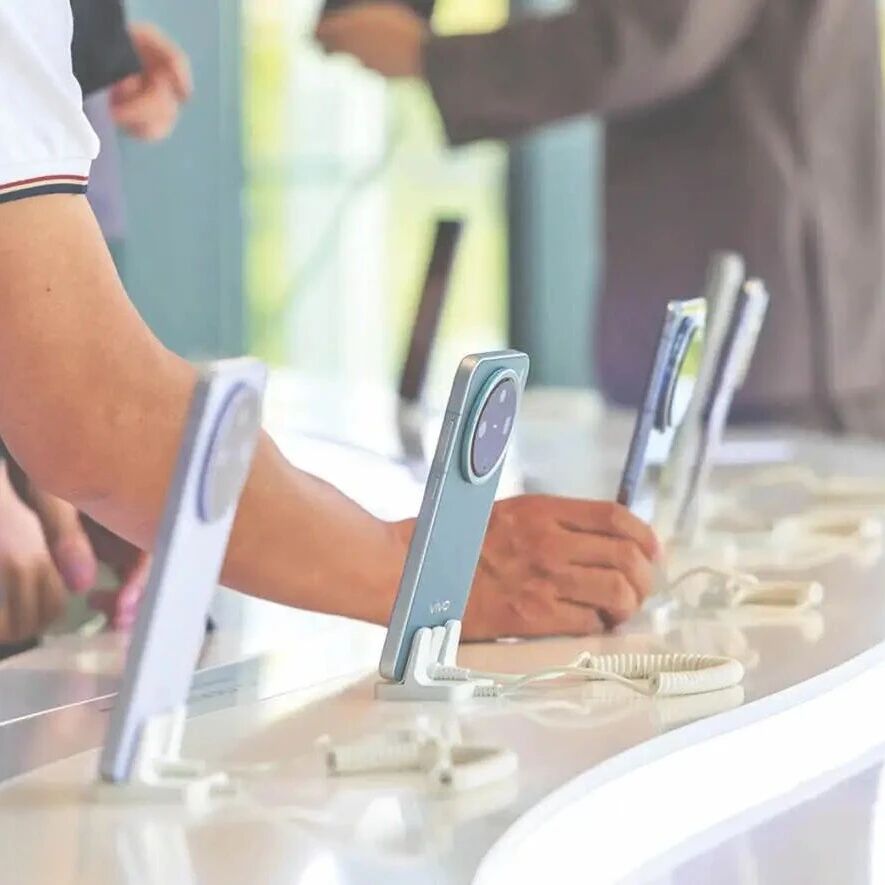
Core Insights - The article discusses the rising prices of flagship smartphones in China as companies prepare for the Double Eleven sales period, highlighting the impact of increased component costs, particularly for storage [2][5][6] - The competition among smartphone manufacturers is shifting from price wars to a focus on product quality, brand strength, and user experience [3][13] Price Trends - Many smartphone manufacturers have reported price increases for their standard flagship models compared to previous generations, with some models seeing price hikes of over a hundred yuan [5][6] - Realme's GT8 Pro model has crossed the 5000 yuan price point, indicating a willingness to explore higher price segments despite rising costs [6][7] Market Dynamics - The reduction in consumer subsidies has led to a more competitive environment where brands must rely on their product offerings and brand appeal to attract customers [3][10] - The high-end smartphone market is experiencing growth, with Chinese brands like Xiaomi and Vivo reporting significant sales increases in the premium segment [7][10] Component Costs - The rising costs of components, especially storage chips, are affecting pricing strategies across the industry, with manufacturers facing pressure to balance profitability and competitiveness [5][8][13] - Companies are exploring different pricing strategies based on market characteristics, with some adopting conservative price increases while others implement slight hikes to maintain market share [8][10] Product Development Focus - Manufacturers are increasingly investing in product differentiation through enhanced features such as gaming performance and camera capabilities, targeting specific consumer segments [10][12] - Collaboration with imaging technology firms, like Realme's partnership with Ricoh GR, is becoming a trend to enhance product offerings and meet consumer demands [12][13] Future Outlook - The competition in the high-end smartphone market is expected to intensify, with brands focusing on product innovation, self-developed chips, and user insights to create a competitive edge [13][14] - The Double Eleven sales event is seen as a critical test for brands to demonstrate their ability to balance cost and user experience, which will influence their future market positioning [13][14]


多品牌手机悄然提价
21世纪经济报道· 2025-10-31 04:30
Core Viewpoint - The article discusses the challenges faced by domestic smartphone manufacturers during the Double Eleven sales period, particularly due to rising component prices and reduced consumer subsidies, leading to a focus on product quality and brand competition [1][3]. Component Price Increases - The price of storage components has significantly increased, resulting in flagship models seeing price hikes of over a hundred yuan compared to previous generations [3]. - Companies like Xiaomi and iQOO have acknowledged the impact of rising storage prices on their pricing strategies, with Xiaomi adjusting the price of its Redmi K90 series due to these cost pressures [3][4]. Market Dynamics - The overall smartphone market is experiencing intense competition, with IDC reporting a decline in shipments for six consecutive quarters, indicating a challenging environment for manufacturers [7]. - The high-end smartphone market is projected to grow, with global sales of smartphones priced above $600 expected to increase by 8% in the first half of 2025, driven largely by Chinese brands [5]. Product Strategy and Differentiation - Manufacturers are focusing on high-end models during the Double Eleven period, with companies like realme and iQOO emphasizing the importance of product quality and user experience to attract consumers [4][10]. - There is a trend towards self-research and collaboration in developing key components, with companies like vivo and realme partnering with specialized firms to enhance their product offerings [9][10]. Consumer Behavior and Market Trends - The shift in consumer behavior towards longer replacement cycles is noted, with consumers preferring more comprehensive products when they decide to upgrade [4]. - The gaming and imaging segments are highlighted as key areas for growth, with companies targeting younger demographics by enhancing performance and user experience [8][9]. Conclusion - The Double Eleven sales period is not just a battle for sales volume but also a critical test for brands to balance cost and user experience, which will determine their competitive edge in the future [11].