
手机

Search documents
国产手机,为什么越卖越贵?
创业邦· 2026-03-30 04:15
Core Viewpoint - The article discusses the significant price increase of Chinese smartphones, which is not merely a result of greed or cost transfer, but rather a complex interplay of technology, brand narrative, user segmentation, global compliance, and geopolitical competition [61][64]. Group 1: Price Increase Trends - Major Chinese smartphone brands like vivo, Xiaomi, and OPPO are raising prices across all segments, with flagship models starting at 4399 yuan for vivo and 4499 yuan for Xiaomi [6][8]. - The price increase is described as a silent revolution, moving from high-end models to all price ranges, reflecting a shift in the market dynamics [5][8]. - Consumers express frustration over rising prices while simultaneously opting for installment plans, indicating a disconnect between income growth and smartphone pricing [10]. Group 2: Memory Chip Price Surge - The surge in memory prices is attributed to the dominance of Korean companies like SK Hynix, which have shifted their production focus to higher-margin products, leading to a supply crunch for standard DRAM and LPDDR [12][22]. - The BOM (Bill of Materials) cost for flagship smartphones is projected to increase from 18% in 2024 to 25% in 2026 due to rising memory costs [22]. - The competitive landscape has changed, with smartphone manufacturers losing bargaining power as suppliers tighten their pricing strategies [25]. Group 3: Display Technology Independence - Chinese display manufacturers like BOE are achieving technological parity with Samsung, marking a shift in the supply chain dynamics and reducing reliance on a single supplier [27][32]. - The introduction of advanced display technologies by domestic manufacturers allows smartphone brands to differentiate their products without being constrained by Samsung's supply terms [32]. - Although the cost of domestic displays is currently higher by 8%-12%, manufacturers are willing to pay for the security and independence it provides [32]. Group 4: Chipset Pricing and Self-Development - Qualcomm continues to increase prices for its chipsets, which has led to a growing concern among Chinese smartphone manufacturers about their dependency on a single supplier [38][39]. - The trend of self-developed chips is gaining momentum, with companies like Xiaomi and OPPO aiming to cover a significant portion of their flagship models with in-house solutions by 2026 [41][43]. - The strategy of gradually replacing high-cost components with self-developed alternatives is seen as a way to mitigate risks associated with reliance on external suppliers [44]. Group 5: Consumer Behavior and Market Dynamics - The average smartphone replacement cycle in China has extended from 24 months in 2019 to 30-36 months by 2026, prompting manufacturers to adjust their pricing strategies accordingly [49]. - Brands are leveraging AI capabilities to redefine the value proposition of smartphones, encouraging consumers to pay for "intelligence" rather than just hardware [50][66]. - The willingness of consumers to pay a premium for AI features indicates a shift in market expectations and the perceived value of smartphones [71]. Group 6: Future Implications - The ongoing price increases and shifts in technology are part of a broader social experiment regarding value perception in the smartphone market [73]. - The outcome of this experiment will determine which brands can sustain their presence in the market, particularly in the context of rising competition from domestic chip manufacturers and changing consumer preferences [74][75].




手机涨价,华为苹果为啥不涨?
36氪· 2026-03-26 10:14
Core Viewpoint - The current price increase in the smartphone industry is a result of a shift from competing on hardware and scale to competing on supply chain, ecosystem, and long-term value [4][67]. Group 1: Price Increase Dynamics - Major brands like Xiaomi, OPPO, vivo, and Honor are signaling price increases for mid-range phones by 300 to 500 yuan and flagship models by 1000 to 2000 yuan [6][7]. - The price of storage chips, particularly DRAM and NAND flash, has surged, with DRAM contract prices increasing by 90% to 95% and NAND flash by 55% to 60% in early 2026 [20]. - The cost of storage chips in a typical mid-range Android phone has risen from approximately 300 yuan to 500-600 yuan, increasing its cost share from 12% to over 20% [20]. Group 2: Factors Behind Price Increases - The demand for storage chips has been drastically altered by the explosive growth of AI servers, which require significantly more memory than standard servers [22][23]. - Major storage manufacturers have redirected over 80% of their advanced production capacity to AI server-specific storage, leading to a severe shortage for mobile devices [24]. - The rising costs of raw materials like copper and aluminum, along with the global AI infrastructure expansion, have further exacerbated the situation [26]. Group 3: Apple and Huawei's Pricing Strategies - Apple has managed to lower the price of the iPhone 17e by 1000 yuan compared to the iPhone 16e, leveraging its massive global procurement scale to negotiate lower prices with suppliers [8][33]. - Apple's self-developed components, such as the C1X baseband, allow it to reduce costs compared to purchasing from third-party suppliers like Qualcomm [36]. - Huawei is not increasing prices due to its self-developed technologies, which help mitigate external cost pressures, and its procurement of domestic components at lower prices [45][49]. Group 4: Market Positioning and Strategy - Huawei aims to enhance its market reputation and user loyalty rather than focusing solely on short-term profits, with a goal of selling 70 million phones in 2026 [50][56]. - Both Apple and Huawei are strategically positioned to maintain or lower prices while other brands are forced to increase them due to weaker supply chain management [57][58]. - The smartphone market is expected to see a significant shift, with lower-end models potentially disappearing or being severely downgraded due to increased component costs [60].

每日市场观察-20260326
Caida Securities· 2026-03-26 05:02
Market Performance - On March 25, the Shanghai Composite Index rose over 1%, surpassing 3900 points, while the ChiNext Index increased by over 2%[3] - The total trading volume reached 2.18 trillion yuan, an increase of approximately 970 billion yuan compared to the previous trading day[3] - The main indices, including the Shanghai Composite and Shenzhen Component, recorded gains of 1.3% and 1.95%, respectively[3] Sector Trends - All sectors except coal and oil saw gains, with notable increases in telecommunications, non-ferrous metals, electronics, and construction materials[1] - The ChiNext Index and the Sci-Tech 50 Index led the gains, rising by 2.01% and 1.91%, respectively, indicating a growing preference for growth sectors[1] Capital Flow - On March 25, net inflows into the Shanghai Stock Exchange amounted to 26.891 billion yuan, while the Shenzhen Stock Exchange saw net inflows of 25.904 billion yuan[4] - The top three sectors for capital inflow were power, consumer electronics, and communication equipment, while the sectors with the highest outflows included photovoltaic equipment, industrial metals, and precious metals[4] Future Outlook - The sustainability of the market rebound depends on the continued performance of key sectors, particularly high-tech industries like artificial intelligence and semiconductors[1] - Energy-related sectors, including new energy, energy storage, and lithium battery industries, remain focal points amid geopolitical tensions[1] Industry Developments - As of the end of February, the cumulative installed power generation capacity in China reached 3.95 billion kilowatts, a year-on-year increase of 15.9%[6] - Solar power generation capacity grew by 33.2% year-on-year, reaching 1.23 billion kilowatts, while wind power capacity increased by 22.8% to 650 million kilowatts[6]
小小内存条,压弯了手机厂的腰
经济观察报· 2026-03-20 12:29
Core Viewpoint - The global DRAM memory market is experiencing significant price increases, leading major manufacturers like Samsung, SK Hynix, and Micron to stop quoting prices to downstream manufacturers, resulting in a volatile pricing environment where prices can change hourly [1][3]. Group 1: Price Increases and Market Reactions - Major smartphone brands such as OPPO, vivo, and iQOO have announced price hikes due to rising storage chip costs, with the cost of a 12GB+256GB memory combination increasing from around $30 to $120-130 [2][5]. - The price of Samsung's LPDDR4X memory surged from $6 to $25 per unit within six months, and by early 2026, prices had increased nearly 400% from a baseline of $28.5 [2][3]. - The demand for high-bandwidth memory (HBM) and DDR5 has skyrocketed due to the AI industry's growth, leading manufacturers to allocate most of their production capacity to high-priced products, impacting the availability of consumer-grade memory [2][3]. Group 2: Strategic Decisions by Manufacturers - Smartphone manufacturers face a dilemma between absorbing losses to maintain market share or raising prices and potentially losing sales [3][4]. - Brands like Honor have opted to raise prices on higher memory versions while keeping base models stable to retain customer loyalty [6][7]. - Huawei has not yet raised prices but has canceled sales incentives for its channels, indicating a cautious approach amid rising costs [7]. Group 3: Impact on Low-End Market - The rising costs of storage components have significantly affected low-end smartphone manufacturers, with the cost of storage in budget phones increasing from a few dollars to over $20, making it difficult for consumers to accept higher prices [9][11]. - Transsion, a major player in emerging markets, has been particularly impacted, experiencing a significant drop in net profit and market share due to rising storage costs [9][10]. - The price hikes have forced some brands to cancel product launches, as seen with Meizu's cancellation of the Meizu 22 Air due to increased design costs and storage prices [10][11]. Group 4: Long-Term Market Outlook - The current storage price surge is expected to last for two to three years, with high points anticipated around mid-2026 [14][15]. - The shift in production focus from DDR4 to DDR5 by major manufacturers is creating a supply gap that will affect the market for an extended period [16][17]. - The overall smartphone market is facing a prolonged period of cost pressures, with all manufacturers, regardless of size, needing to adapt to the new pricing landscape [17].



中泰期货晨会纪要-20260317
Zhong Tai Qi Huo· 2026-03-17 01:34
Report Industry Investment Rating No relevant content provided. Core Viewpoints of the Report - Short - term, the stock index may strengthen; inflation expectations may ease, and it is advisable to gradually go long on the bond market on the left side; for steel, take profit on short - term long positions and hold short straddles; for iron ore, hold short straddles and take profit on the 05 - 09 positive spread arbitrage; for double - coking, consider going long at low levels; for silicon iron, go short on rallies, and for manganese silicon, stay on the sidelines; for most commodities, pay attention to geopolitical and supply - demand factors [17][18][22][23][25] - The prices of various commodities are affected by multiple factors such as geopolitics, supply - demand relationships, and cost changes, and different trading strategies are recommended for different commodities Summary by Related Catalogs 1. Macro Information - China and the US held economic and trade consultations in Paris, reaching new consensuses and agreeing to study the establishment of a cooperation mechanism to promote bilateral trade and investment [10] - From January to February, China's fixed - asset investment increased by 1.8% year - on - year, industrial added value of large - scale industries increased by 6.3%, and the service production index increased by 5.2% [10] - Trump said he might attack Iran's oil infrastructure, hoped for European and Asian countries' assistance in ensuring the safety of the Strait of Hormuz, and called on the Fed to cut interest rates [11] - Huang Renxun of NVIDIA announced multiple technological breakthroughs, and the company's AI chip revenue is expected to double by the end of 2027 [12] - China will take a series of measures to promote economic development, including building a unified national market, developing intelligent manufacturing, and improving infrastructure [13] - China will establish a dynamic maintenance mechanism for territorial space planning, and the new construction land will mainly use existing land resources [13] - The prices of storage chips, semiconductors, and mobile phones are rising, and major storage manufacturers are taking a more cautious expansion strategy [15] - The IEA has started to release emergency crude oil reserves, and the Middle East conflict has led to a decline in the UAE's oil production [15][16] 2. Stock Index Futures - The short - term stock index may strengthen. The A - share market showed a trend of bottoming out and rebounding. The semiconductor sector was strong, and the Iran situation showed signs of easing [17] 3. Treasury Bond Futures - Inflation expectations may ease, and the bond market gradually has odds. It is advisable to gradually go long on the bond market on the left side. The central bank may guide the decline of bank liability interest rates to prepare for the next interest rate cut [18] 4. Steel and Iron Ore - The demand for building materials is weak, and the consumption growth rate of some downstream industries of coils has declined. The supply pressure of steel is not large, and the cost has strong support. The iron ore supply and demand are in a double - strong pattern. It is recommended to take profit on short - term long positions of steel and hold short straddles, and hold short straddles for iron ore [20][21][22] 5. Coal and Coke - The prices of double - coking may fluctuate strongly in the short term. It is recommended to go long at low levels. In the medium term, the supply - demand pattern is expected to remain in a wide - range shock [23][24] 6. Ferroalloys - For silicon iron, go short on rallies; for manganese silicon, stay on the sidelines. Pay attention to the impact of energy sentiment on the unilateral trend of double - silicon [25] 7. Soda Ash and Glass - It is advisable to stay on the sidelines for now. The supply of soda ash remains high, and the supply and demand contradiction is difficult to reverse. The supply of glass has the expectation of cold repair and ignition, and the demand needs to be restored [27] 8. Non - ferrous Metals and New Materials - Copper prices will be under pressure and fluctuate, and attention should be paid to inventory changes and geopolitical trends; zinc prices are considered to be in a fluctuating and bearish trend; lead prices are expected to be in a weak shock; lithium carbonate prices will fluctuate widely; industrial silicon will fluctuate, and attention should be paid to short straddle options; polysilicon will be in a weak shock [29][30][32][33] 9. Agricultural Products - Cotton prices will fluctuate strongly at a high level, and attention should be paid to the actual demand and external conflicts; sugar prices will fluctuate at a high level in a rebound; egg prices may rise seasonally, but the upside is limited; apple prices may be strong; corn prices should be chased with caution; jujube prices will fluctuate weakly; pork prices will remain at a low level [36][39][41][43][44] 10. Energy and Chemicals - Crude oil prices are affected by geopolitical factors, and the supply risk is high; fuel oil will enter a high - level fluctuation; plastics may be strong in the short term; rubber should be cautious in unilateral trading; synthetic rubber will maintain high volatility; methanol may be strong in the short term; caustic soda needs to grasp the market rhythm; asphalt will fluctuate at a high level; PVC may be strong in the short term; the polyester industry chain can be considered to be long with caution; LPG will remain strong; pulp prices have support; log prices are difficult to fall in the long term but may accumulate inventory in the short term; urea can be shorted opportunistically [46][47][48][50][51][52][54][56][58][59][60][61][62]
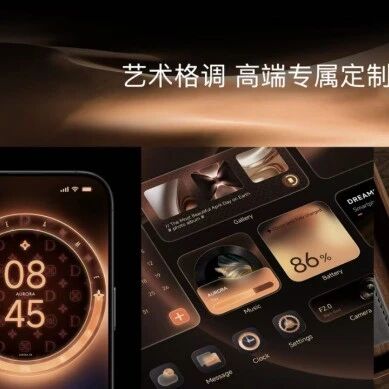
AI为核破局高端:追觅AURORA携自研AIOS 1.0,开拓2026高端手机新格局
凤凰网财经· 2026-03-15 15:36
Core Viewpoint - The global high-end smartphone market is facing homogenization and requires innovative technological changes to break the current deadlock [1] Group 1: AURORA's Market Positioning - AURORA smartphone aims to differentiate itself in the high-end market by launching its self-developed AI operating system, AURORA AIOS 1.0, and showcasing new product lines at AWE2026 [2][5] - The AURORA AIOS 1.0 is designed to provide a true AI-native experience, moving beyond superficial AI optimizations that most brands currently offer [5][7] Group 2: AI Features and Innovations - AURORA AIOS 1.0 focuses on four core areas: AI imaging, AI privacy security, AI intelligent agents, and AI aesthetic design, addressing diverse user needs and transforming smartphones into intelligent companion devices [7][9] - The AI imaging feature allows users to capture professional-quality photos effortlessly by automatically optimizing parameters based on various conditions [9][12] - AI privacy security features include automatic disconnection from unsafe networks and satellite communication options for urgent needs, enhancing user data protection [9][11] Group 3: R&D and Future Investments - The company plans to invest over 10 billion in R&D over the next three years, focusing on AI systems, imaging technology, and display technology [12][14] - AURORA aims to expand its R&D team significantly, with plans to grow from the current size to 5,000 members by 2027, ensuring a strong talent pool for technological advancements [14] Group 4: Market Strategy and Competitive Edge - AURORA's strategy combines unique technological advantages with refined product quality, allowing it to stand out in a highly competitive market [16] - The brand's approach shifts the focus from hardware specifications to self-developed AI technology and user experience, setting a new benchmark for Chinese consumer electronics on the global stage [16][17]
追觅AURORA亮剑高端手机赛道 百亿研发锚定核心技术突围
第一财经· 2026-03-12 05:36
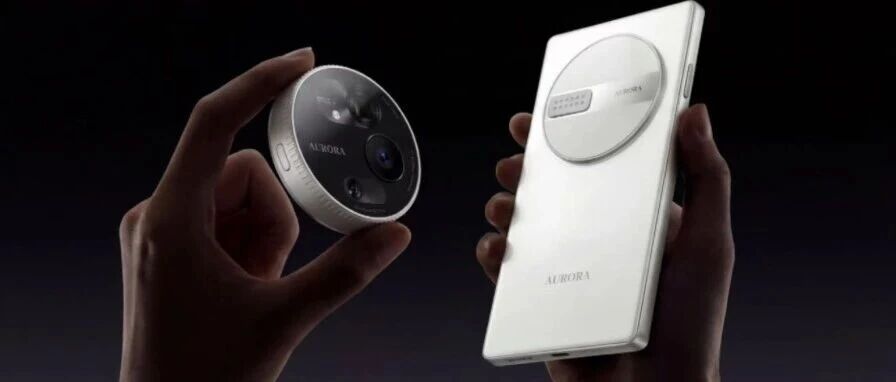
Core Viewpoint - The article highlights the launch of the high-end smartphone brand, AURORA, by the company, emphasizing its commitment to innovation and quality in the global high-end smartphone market [1][3][8]. Product Series and Features - AURORA has developed two product series: AURORA LUX and AURORA NEX, targeting different segments of the high-end market while maintaining a focus on exceptional product quality [5]. - AURORA LUX aims at the top-tier market, integrating luxury craftsmanship and personalized services, while AURORA NEX emphasizes technological innovation with features like a modular camera system and AI capabilities [5][6]. Strategic Positioning - The company strategically enters the high-end market to avoid the intense competition in the mid-range segment, which is experiencing declining profits and shrinking market size [3][12][14]. - The high-end smartphone market remains resilient, with brands like Apple showing growth, indicating a lucrative opportunity for AURORA [14]. R&D Investment and Team Expansion - AURORA plans to invest over 10 billion in R&D over the next three years, focusing on imaging, AI systems, and display technologies to establish a strong technical foundation [10][11]. - The company aims to expand its team to 2,000 by 2026 and 5,000 by 2027, with at least 70% of the team dedicated to R&D [10]. Market Insights and Trends - The article notes a significant increase in component costs, particularly in the storage market, which affects low-end devices more than high-end ones, reinforcing AURORA's market choice [14]. - The company’s focus on high-end products allows it to better navigate industry fluctuations and maintain profitability [14]. Collaborative Ecosystem - AURORA emphasizes the importance of a collaborative ecosystem, working closely with global partners to enhance its market presence and technological capabilities [18][19]. - The brand's strategy includes transforming complex technical concepts into compelling global narratives to engage consumers [19]. Conclusion - AURORA's entry into the high-end smartphone market represents a significant shift in the consumer electronics landscape, combining substantial R&D investment, strategic market positioning, and a collaborative approach to build a competitive edge [19].
市场快讯:中国前两个月出口增长超预期
Ge Lin Qi Huo· 2026-03-10 07:51
1. Report Industry Investment Rating - Not provided 2. Core Viewpoints - China's exports and imports in the first two months of 2026 exceeded expectations, with exports growing by 21.8% year - on - year and imports by 19.8% year - on - year, achieving a trade surplus of $213.62 billion [2] - China's export growth is due to the diversification of export destinations and the continuous improvement of export product competitiveness [2] - The global trade environment in the first two months of 2026 is good, but the war between the US, Israel and Iran on February 28, 2026, which blocked shipping in the Strait of Hormuz, will have a negative impact on global trade in March [4] 3. Summary by Related Content China's Overall Trade in the First Two Months of 2026 - Exports in US dollars increased by 21.8% year - on - year from January to February, with an estimated growth of 7.3%, and imports increased by 19.8% year - on - year, with an estimated growth of 6.9%, achieving a trade surplus of $213.62 billion [2] China's Exports to Different Regions - Exports to ASEAN increased by 29.4% from January to February, compared with 13.4% in 2025 [2] - Exports to the EU increased by 27.8% from January to February, compared with 8.4% in 2025 [2] - Exports to the US decreased by 11.0% from January to February, compared with a 20.0% decrease in 2025 [2] - Exports to countries along the Belt and Road increased by 28.5% year - on - year from January to February, compared with 10.6% in 2025 [2] - Exports to Africa increased by 49.9% from January to February, compared with 25.8% in 2025 [2] - Exports to Latin America increased by 16.4% from January to February, compared with 7.4% in 2025 [2] China's Exports of Different Products - Exports of mechanical and electrical products increased by 27.1% year - on - year from January to February, compared with 8.4% in 2025 [3] - Exports of high - tech products increased by 26.9% year - on - year from January to February, compared with 7.5% in 2025 [3] - Exports of integrated circuits increased by 72.6% year - on - year from January to February, compared with 26.8% in 2025, due to the strong demand from global AI investment and price increases [3] - Exports of automobiles (including chassis) increased by 67.1% from January to February, compared with 21.4% in 2025 [3] - Exports of household appliances increased by 11.4% from January to February, compared with a 3.9% decrease in 2025 [3] - Exports of mobile phones decreased by 8.3% from January to February, compared with a 9.4% decrease in 2025 [3] - Exports of clothing and clothing accessories increased by 14.8% from January to February, compared with a 5.0% decrease in 2025, possibly related to US tariffs and trade uncertainties in the previous year [3] - Exports of furniture and parts increased by 24.7% from January to February, compared with a 6.1% decrease in 2025, possibly related to US tariffs and trade uncertainties in the previous year [3] Exports of Other Countries - South Korea's exports increased by 29.0% year - on - year in February 2026, 33.9% in January, and 13.4% in December last year [4] - Vietnam's cumulative exports from January to February 2026 increased by 18.3% year - on - year, compared with 17.02% in 2025 [4]
8点1氪:寿司郎被曝吃出寄生虫卵,当地市监局通报;全国人大代表建议尽量不要调休;谷歌DeepMind高管公开邀请千问团队入职
36氪· 2026-03-06 00:31
Group 1 - Sushi restaurant Sushi Lang was reported to have served a dish containing parasitic eggs, leading to an investigation by the local market supervision bureau [2][3] - A consumer claimed to have found parasitic eggs in tuna after waiting three hours to eat at Sushi Lang, prompting a response from the restaurant's management regarding potential medical compensation [3] - The market supervision bureau emphasized its commitment to protecting consumer rights and will take strict action against any violations [4] Group 2 - Xiaomi's founder Lei Jun stated that the rising demand for AI has led to increased prices for storage chips, putting pressure on the company's mobile business [5] - Alibaba denied rumors of a mass departure from its AI team, asserting that the team remains stable and operational [5] - JD Group's CEO revealed that the company's investment in food delivery services will decrease compared to the previous year, aiming for improved operational efficiency [6] Group 3 - Iran's Islamic Revolutionary Guard Corps announced a ban on U.S., Israeli, and European vessels from passing through the Strait of Hormuz, citing wartime rights [7] - The U.S. stock market saw a collective decline, with major indices falling, and Bilibili's stock dropping over 7% [7] - Silver prices fell below $81 per ounce, marking a 3.09% decrease [8] Group 4 - OpenAI's annual revenue surpassed $25 billion, reflecting a 17% increase from the previous year, although competition with Anthropic is intensifying [10] - Israel plans to reopen its airspace for outbound flights starting March 8, contingent on security assessments [10] - Apple's new MacBook Neo is priced to fall within the range of government subsidies, potentially costing around 3000 yuan after subsidies [11] Group 5 - JD Logistics reported a revenue of 217.1 billion yuan for 2025, marking an 18.8% year-on-year increase [24] - JD Health achieved a total revenue of 73.4 billion yuan in 2025, reflecting a 26.3% growth [25] - Hightu Group's revenue for 2025 reached 6.15 billion yuan, a 35% increase year-on-year [22]


申万期货品种策略日报——股指-20260305
Shen Yin Wan Guo Qi Huo· 2026-03-05 03:57
Report Industry Investment Rating - Not provided in the report Core Viewpoints of the Report - The A-share market continued to decline in the previous trading session, with the transportation sector leading the decline and only the agriculture, forestry, animal husbandry and fishery sectors leading the gain. The market turnover was 2.39 trillion yuan. Starting from March, the annual reports and first-quarter reports of listed companies will be gradually disclosed, and industry leaders with strong performance certainty will attract capital, driving the market from "expectation-driven" to "profit-driven". The market will enter the "selective alpha" stage, and pure concept stocks and small and medium-cap stocks without performance support may remain weak. Sectors benefiting from policies and with improved performance may have sustainable opportunities. In the short term, geopolitical disturbances have increased risk aversion and reduced risk appetite. In the long term, the stock index trend will return to the domestic fundamentals, and attention should be paid to the resonance effect of policy implementation and industrial catalysis. Capital is likely to continue to focus on high-growth sectors to consolidate the market's structural trend [2] Summary of Relevant Catalogs 1. Stock Index Futures Market - **IF Contracts**: The previous day's closing prices of IF contracts for different periods decreased, with declines of -1.16% to -1.30%. The trading volume and open interest showed different changes, and the open interest of the current month contract decreased by 5696 [1] - **IH Contracts**: The previous day's closing prices also decreased, with declines of -1.33% to -1.40%. The trading volume and open interest had corresponding changes, and the open interest of the current month contract decreased by 1496 [1] - **IC Contracts**: The prices dropped, with declines of -0.61% to -0.90%. The trading volume and open interest changed, and the open interest of the current month contract decreased by 13868 [1] - **IM Contracts**: The prices declined, with declines of -0.90% to -1.05%. The trading volume and open interest changed, and the open interest of the current month contract decreased by 6114 [1] - **Inter - month Spreads**: The current values of inter - month spreads for IF, IH, IC, and IM contracts changed compared to the previous values [1] 2. Stock Index Spot Market - **Index Performance**: The Shanghai - Shenzhen 300 Index decreased by -1.14%, the Shanghai 50 Index by -1.33%, the CSI 500 Index by -0.39%, and the CSI 1000 Index by -0.59%. The trading volume and total turnover of each index also changed [1] - **Sector Performance**: Different sectors in the Shanghai - Shenzhen 300 Index showed varying degrees of decline, with the telecommunications business sector having the largest decline of -2.28% and the public utilities sector having a 0.16% increase [1] 3. Futures - Spot Basis - The basis of IF, IH, IC, and IM contracts against their corresponding spot indices changed compared to the previous two - day values [1] 4. Other Domestic and Overseas Major Indexes - **Domestic Indexes**: The Shanghai Composite Index decreased by -0.98%, the Shenzhen Component Index by -0.75%, the Small and Medium - Cap Board Index by -0.43%, and the ChiNext Index by -1.41% [1] - **Overseas Indexes**: The Hang Seng Index decreased by -2.01%, the Nikkei 225 by -3.61%, the Standard & Poor's Index increased by 0.78%, and the DAX Index increased by 1.74% [1] 5. Macro Information - The Fourth Session of the 14th National People's Congress will be held from March 5th to 12th, with an 8 - day session and 11 agendas. There will be 3 press conferences, 3 "Representative Channels" and 3 "Ministerial Channels". The National New Office will hold a briefing to interpret the "Government Work Report" [2] - The spokesperson of the NPC stated that the "15th Five - Year Plan" draft will be reviewed and approved, and policies such as expanding domestic demand and promoting private economy will be implemented. Regarding international issues, China advocates mutual respect, peaceful coexistence and win - win cooperation [2] - The US - Iran conflict may last for 8 weeks or more. Iran denies seeking negotiation with the US, and China will send a special envoy to the Middle East [2] 6. Industry Information - The National Energy Administration emphasizes promoting rural energy revolution, including improving rural power grids, developing wind and solar energy, expanding charging facilities, and promoting clean heating [2] - In January, the domestic mobile phone shipments were 22.866 million, a year - on - year decrease of 16.1%. The shipments of 5G mobile phones were 19.87 million, a year - on - year decrease of 15.9%, accounting for 86.9% of the total [2] - The number of active intelligent agents of Chinese enterprises is expected to exceed 350 million in 2031, with a compound annual growth rate of over 135%, and the consumption of intelligent agent Tokens will increase exponentially [2] - The 2026 outlook report of the Chinese real estate market predicts that the demand for office buildings will continue to grow steadily, and the net absorption of major cities is expected to increase by 10% - 15% year - on - year. The turnover of large - scale properties in the Chinese mainland is expected to increase by 5% - 10% year - on - year [2]