手机高端化

Search documents
春节换机潮叠加“国补”,中端机配置全面“旗舰化”
Nan Fang Du Shi Bao· 2026-01-23 06:30
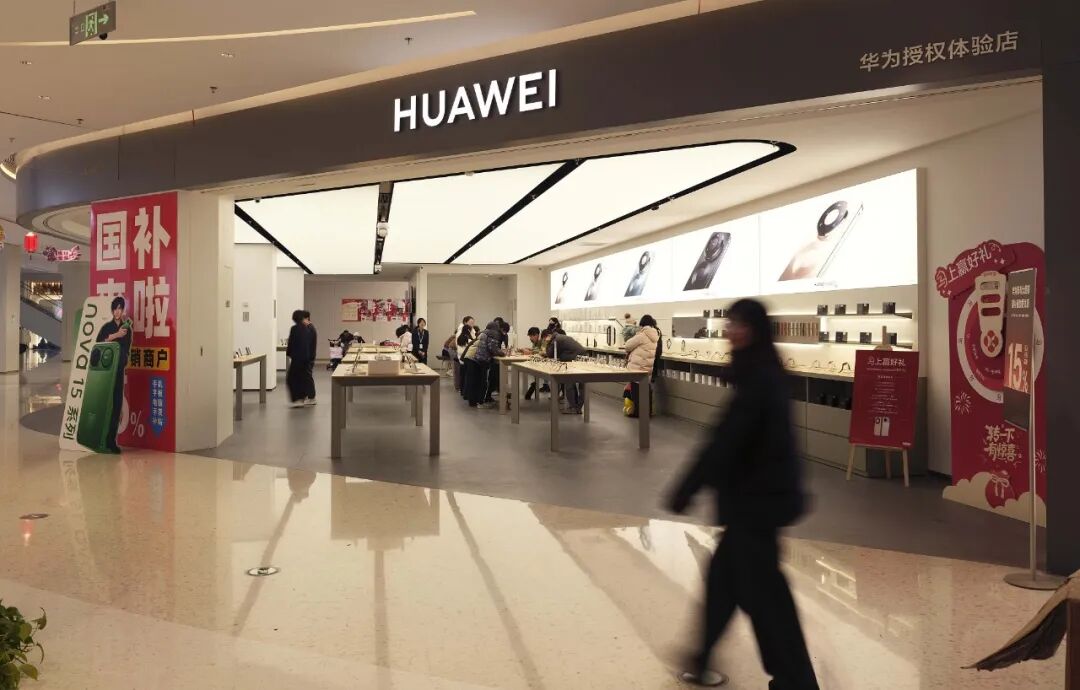
Group 1 - The Chinese smartphone market is entering a competitive phase with a focus on mid-range devices as manufacturers target the demand for high cost-performance products during the pre-Spring Festival sales season [1][3] - The government subsidy policy, which extends until 2026, offers a 15% subsidy for devices priced under 6000 yuan, enhancing the attractiveness of mid-range smartphones [3] - Consumers are shifting their focus from low prices to high cost-performance, with mid-range devices now offering performance and features close to flagship models at 60%-70% of their price [3][7] Group 2 - Major brands like Honor, OnePlus, Redmi, iQOO, and realme are launching new models priced between 2000 yuan and 3000 yuan, indicating a fierce competition in the mid-range segment [3][7] - Battery life is a critical concern for users, leading manufacturers to equip mid-range devices with large-capacity batteries, such as Honor Power 2 with a 10080mAh battery [5][7] - The introduction of high-performance processors, such as Snapdragon 8 Gen 5 and MediaTek's Dimensity 9500S, is becoming standard in new mid-range devices, enhancing their appeal [5][6] Group 3 - The smartphone market in China is transitioning to a phase characterized by slight declines in total volume and structural upgrades, with an expected shipment of 278 million units in 2026, a 2.2% year-on-year decrease [8] - High-end market shares are dominated by Apple, Huawei, and Samsung, with Apple holding nearly 50% of the high-end market share in the first three quarters of 2025 [9] - The rising costs of core components are pressuring manufacturers to either raise prices or reduce specifications, leading to a focus on the 2000-3000 yuan price range for maintaining higher profit margins [9]

小米近4月回购44次,股价半年跌超40%
2 1 Shi Ji Jing Ji Bao Dao· 2026-01-22 13:41
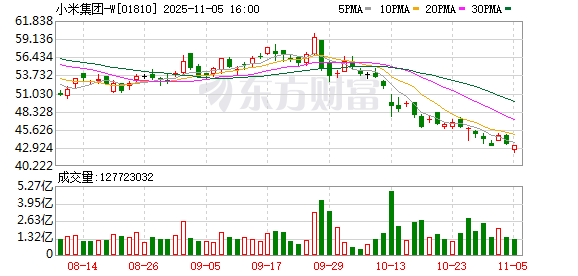
Group 1 - Xiaomi Group-W (1810.HK) announced a share buyback plan not exceeding HKD 2.5 billion, targeting Class B ordinary shares, with all repurchased shares to be canceled [1][3] - The buyback plan is set to begin on January 23, 2026, and will end upon the earliest of three conditions: the day before the 2026 annual general meeting, reaching the buyback cap of HKD 2.5 billion, or early termination per brokerage agreement [3] - The company aims to demonstrate confidence in its business outlook and protect the overall interests of the company and its shareholders [3] Group 2 - Xiaomi's stock price has dropped over 40% in the past six months, closing at HKD 35.24 on January 22, 2026, down 42.65% from its peak of HKD 61.45 in late June 2025 [3][4] - The company has received dual exemptions from the Hong Kong Stock Exchange to facilitate the buyback, allowing it to execute repurchases during restricted periods and issue new shares within 30 days post-buyback under certain conditions [3][4] - The recent decline in stock price coincides with pressures from the global storage chip industry, where rising material costs are expected to challenge the gross margins of smartphone manufacturers [4] Group 3 - Over the past four months, Xiaomi has conducted 44 buybacks, repurchasing approximately 206 million shares, which is about 0.79% of its total share capital, at a total cost of approximately RMB 7.464 billion [7] - The new buyback plan is seen as a reinforcement of previous efforts to stabilize the stock price, with the market interpreting such actions as a signal of value recognition from management [9] - As of the end of Q3 2025, Xiaomi had cash reserves of RMB 236.7 billion, providing sufficient liquidity to support the buyback [9]

小米近4月回购44次,股价半年跌超40%
21世纪经济报道· 2026-01-22 13:31
Core Viewpoint - Xiaomi Group-W (1810.HK) announced a share buyback plan not exceeding HKD 2.5 billion, aimed at stabilizing its valuation and restoring investor confidence amid declining stock prices and rising industry storage costs [1][3]. Buyback Plan Details - The automatic buyback plan will commence on January 23, 2026, and will conclude upon the earliest of three conditions: the day before the 2026 annual general meeting, reaching the buyback cap of HKD 2.5 billion, or early termination per brokerage agreement [3]. - Xiaomi has received dual exemptions from the Hong Kong Stock Exchange, allowing it to execute buybacks during the restricted period before regular performance announcements and to issue new shares within 30 days post-buyback under specific conditions [3]. Stock Performance Context - Since peaking at HKD 61.45 in late June 2025, Xiaomi's stock has declined by 42.65% to HKD 35.24 as of January 22, 2026, erasing nearly all gains from 2025, with a market capitalization around HKD 918 billion [3][5]. - The buyback plan is seen as a timely response to market sentiment, especially as the company's executives have announced plans to sell shares, raising concerns among investors [5]. Recent Buyback Activity - Over the past four months, Xiaomi has conducted 44 buybacks, acquiring approximately 206 million shares, which is 0.79% of its total share capital, at a total cost of about RMB 7.464 billion [7]. - Previous buybacks have shown some effectiveness in stabilizing the stock price, and the new HKD 2.5 billion buyback is viewed as an additional support measure [8]. Financial Position and Market Perception - As of the end of Q3 2025, Xiaomi's cash reserves stood at RMB 236.7 billion, providing ample liquidity to support the buyback [8]. - The current price-to-earnings ratio (TTM) for Xiaomi is approximately 19.22, which is significantly lower than that of competitors like Tesla (282.35) and Apple (32.5), indicating potential undervaluation [8]. - The long-term recovery of Xiaomi's stock price will depend on advancements in high-end smartphone offerings, stable profitability in its automotive business, and the acceleration of synergies within its AIoT ecosystem [8].

2025手机销量迷局:华为到底是第一还是第五? | 深网
Xin Lang Cai Jing· 2026-01-22 10:08
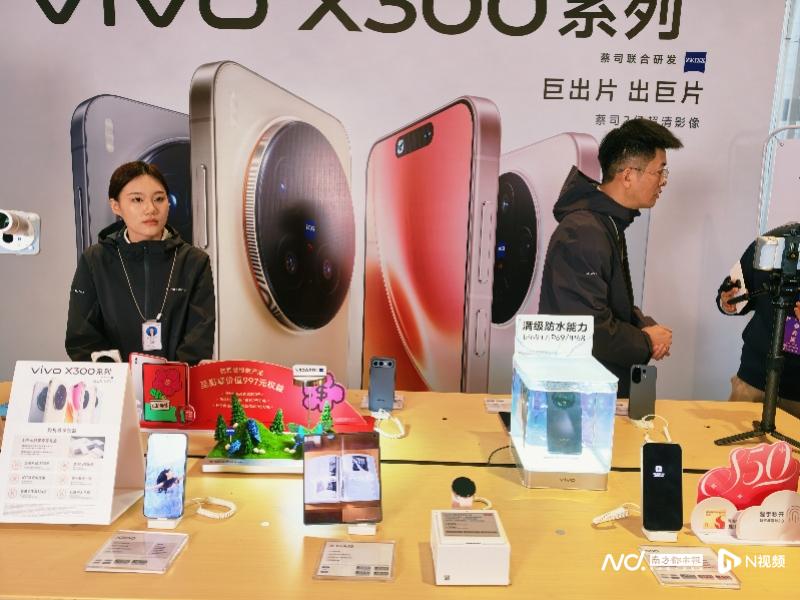
Core Viewpoint - The competition in the Chinese smartphone market is extremely fierce, with slight differences in market positions among leading brands, as highlighted by the activation volume rankings for 2025 [2][4]. Market Rankings - The top five brands in terms of activation volume for 2025 are: 1. Vivo (including IQOO) with 46.36 million units and a market share of 16.77%, showing a decrease of 2.58% from 2024 2. Xiaomi (including REDMI) with 45.88 million units and a market share of 16.60%, increasing by 5.41% from 2024 3. Apple with 45.21 million units and a market share of 16.35%, increasing by 9.34% from 2024 4. OPPO (including OnePlus and realme) with 43.99 million units and a market share of 15.91%, increasing by 7.63% from 2024 5. Huawei with 43.40 million units and a market share of 15.70%, decreasing by 0.96% from 2024 [3][15]. Discrepancies in Data - There is a notable discrepancy between the activation volume and shipment data, with Huawei ranking first in shipment volume according to major research firms, while it ranks fifth in activation volume [5][17]. - The difference in rankings has raised questions about the accuracy of the data, particularly why Huawei's shipment figures exceed its activation numbers by over 300,000 units [20]. Sales Channels - The majority of smartphone sales in China occur through offline channels, which account for approximately 70% of total sales, while Xiaomi has historically leaned towards online sales [6][18]. - The sales process involves multiple stages: Sell In (SI), Sell Through (ST), and Sell Out (SO), with most research firms reporting on SI data, while actual user activation (SO) remains confidential [19]. Xiaomi's Strategy - Xiaomi's activation volume surpasses its reported shipment volume by approximately 200,000 units, attributed to its direct online sales model, which shortens the time from shipment to activation [10][21]. - During the 2025 Double Eleven shopping festival, Xiaomi reported total sales exceeding 29 billion yuan, highlighting the effectiveness of its online sales strategy [22]. High-End Market Focus - Xiaomi has been focusing on high-end market penetration since implementing its dual-brand strategy in 2019, investing around 105 billion yuan in R&D over the past five years [11][22]. - The company aims to compete directly with Apple and Huawei in the high-end segment, where it currently holds a market share of only 7.4% compared to Apple's 48% and Huawei's 33.4% [12][22]. Technological Investments - Xiaomi is investing in self-developed SoC chips to enhance its competitive edge in the high-end smartphone market, indicating a long-term commitment to building a strong brand presence [23].

雷军对标华为成功,小米17 Ultra遭黄牛加价,1万元高端成了
Sou Hu Cai Jing· 2025-12-26 02:15
Core Viewpoint - Xiaomi's new flagship model, the Xiaomi 17 Ultra Leica version, has successfully positioned itself in the high-end market, comparable to Huawei's Mate80 series, as evidenced by the high demand and significant price markup by resellers [1][9]. Group 1: Product Demand and Pricing - The Xiaomi 17 Ultra Leica version sold out quickly on online platforms, with resellers marking up prices significantly, with some models seeing price increases of over 1,000 yuan [2][3]. - The 16GB+1TB version of the phone has been reported to have resale prices reaching up to 10,000 yuan, which is over 1,000 yuan more than the official price [3]. - Despite initial high prices from resellers, the market has stabilized, with some resellers selling at official prices shortly after the launch, indicating limited long-term price inflation [9]. Group 2: Supply Chain and Production - Xiaomi has a strong control over its supply chain, ensuring that there are no shortages of components, which allows for efficient production and quick market response [13]. - The company can complete the production and market launch of a new phone within five to six days, unlike competitors who may take months [13]. Group 3: Product Features and Innovations - The Xiaomi 17 Ultra Leica version features distinct design elements, including the first-ever Leica red logo on a Chinese brand phone, enhancing its market recognition [15]. - The phone includes advanced hardware, such as a one-inch main camera and a 200-megapixel periscope telephoto lens, capable of continuous optical zoom, a first in the domestic market [17][19]. - The device's unique optical structure allows for complex focusing and zooming capabilities, making it a strong contender in the smartphone imaging market [19].
小米17 Ultra徕卡版发布:雷军望向余承东
Xin Lang Cai Jing· 2025-12-25 17:24
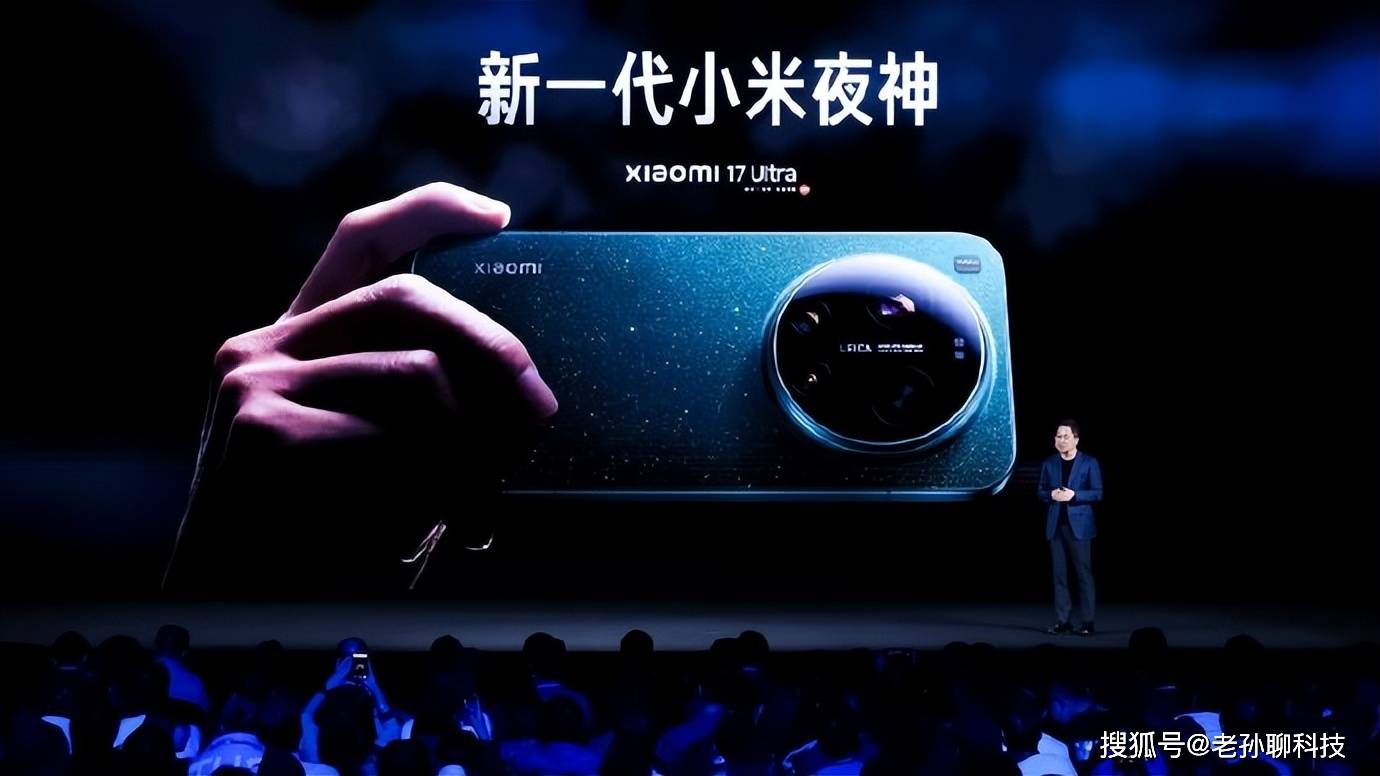
Core Viewpoint - Xiaomi has officially launched the Xiaomi 17 Ultra and the Leica version, marking a significant upgrade in its strategic partnership with Leica, aiming to enhance its competitiveness in the ultra-high-end smartphone market [1][4]. Pricing - The starting price for the Xiaomi 17 Ultra is set at 6,999 yuan (approximately $1,000), which is an increase of 500 yuan compared to the previous generation with the same configuration. The Leica version is priced at 7,999 yuan for 16GB+512GB and 8,999 yuan for 16GB+1TB [2]. Strategic Partnership - The collaboration between Xiaomi and Leica has evolved from "joint research" to a "strategic co-creation model," indicating a deeper integration of Leica's imaging technology into Xiaomi's products. This partnership is seen as a crucial step for Xiaomi to penetrate the ultra-high-end market [4][6]. Product Features - The Xiaomi 17 Ultra features a Leica 1-inch master camera and a LOFIC ultra-high dynamic technology sensor, enhancing photo quality in low-light conditions. The device includes design elements that replicate the Leica camera experience, such as a "master zoom ring" and a 3:2 aspect ratio [4]. Market Positioning - Xiaomi's entry into the ultra-high-end market positions it against established competitors like Huawei and Apple. The demand for high-quality imaging capabilities is increasing among consumers, making it a key factor in smartphone selection [6][8]. Industry Trends - The high-end smartphone market in China is experiencing significant growth, with the share of smartphones priced at $600 and above rising to 28% in 2024, up from 11% in 2018. However, competition remains fierce, with Apple and Huawei dominating the market [8]. Xiaomi's Market Performance - Xiaomi's high-end smartphone shipments accounted for 23.3% of its total shipments in mainland China in 2024, reflecting a 3 percentage point increase year-on-year. In the 4,000-5,000 yuan price segment, Xiaomi holds a 24.3% market share, maintaining the top position [7]. Challenges Ahead - Despite the positive developments, Xiaomi faces challenges in its high-end strategy, including controversies over product naming and safety concerns in its automotive business. The year 2025 is expected to be pivotal for Xiaomi as it navigates these issues while continuing its push into the high-end market [9].
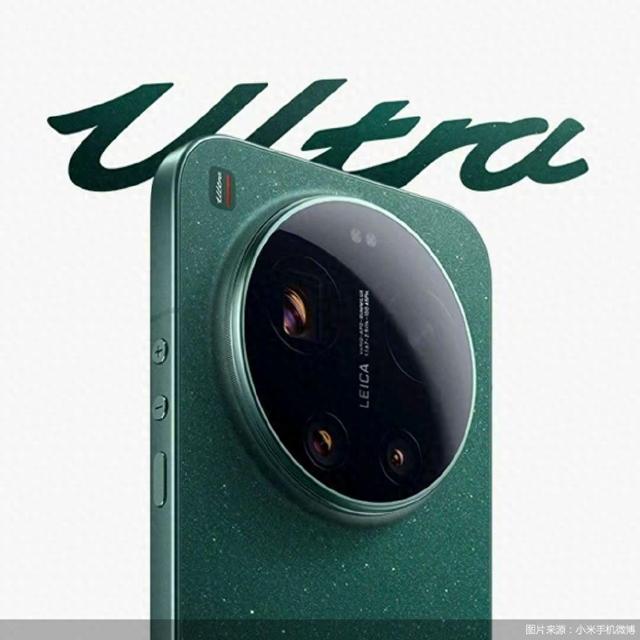
小米17 Ultra亮相 雷军望向余承东
Bei Jing Shang Bao· 2025-12-25 16:02
Core Viewpoint - The launch of the Xiaomi 17 Ultra, featuring the Leica branding, marks a significant step in Xiaomi's strategy to penetrate the high-end smartphone market, with a focus on advanced imaging technology and premium pricing [1][3][6]. Group 1: Product Launch and Pricing - The Xiaomi 17 Ultra is priced starting at 6,999 yuan (approximately $1,000), which is a 500 yuan increase compared to its predecessor [1]. - The Leica version of the Xiaomi 17 Ultra is available in two configurations: 7,999 yuan for 16GB+512GB and 8,999 yuan for 16GB+1TB [1]. Group 2: Strategic Collaboration - The collaboration between Xiaomi and Leica has evolved from "joint research" to a "strategic co-creation model," indicating a deeper partnership aimed at enhancing product competitiveness [3]. - The Xiaomi 17 Ultra features advanced imaging hardware, including a 1-inch Leica master camera and a high-performance sensor, which enhances photo quality in challenging lighting conditions [3]. Group 3: Market Positioning and Competition - The introduction of the Leica-branded smartphone positions Xiaomi to compete directly with high-end brands like Huawei and Apple, particularly in the premium segment [4][7]. - Xiaomi's high-end smartphone shipments accounted for 23.3% of its total shipments in mainland China in 2024, reflecting a 3 percentage point increase year-on-year [6]. Group 4: Industry Trends - The high-end smartphone market in China is growing, with the share of smartphones priced at $600 and above rising to 28% in 2024, up from 11% in 2018 [7]. - Despite Xiaomi's growth in the high-end segment, Apple and Huawei dominate the market, holding a combined 83% share in the premium price range [7]. Group 5: Challenges and Future Outlook - Xiaomi faces challenges in maintaining its high-end strategy amid controversies, including naming disputes and safety concerns related to its automotive business [8]. - The release of the Xiaomi 17 Ultra is seen as a culmination of its high-end strategy, but the company must navigate various obstacles to sustain its growth in this competitive landscape [8].
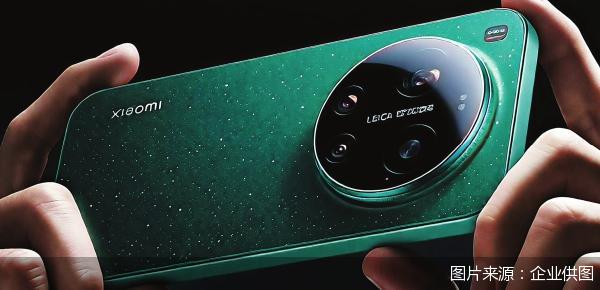
小米17 Ultra徕卡版7999元起,雷军望向余承东
Bei Jing Shang Bao· 2025-12-25 14:22
Core Viewpoint - Xiaomi has officially launched the Xiaomi 17 Ultra and the Leica version, marking a significant upgrade in its strategic partnership with Leica, aiming to penetrate the ultra-high-end smartphone market [1][5]. Pricing - The Xiaomi 17 Ultra is priced starting at 6,999 yuan (approximately $1,000), which is a 500 yuan increase compared to the previous model with the same configuration. The Leica version is priced at 7,999 yuan for 16GB+512GB and 8,999 yuan for 16GB+1TB [2]. Imaging Technology - The collaboration with Leica signifies a shift from joint development to a strategic co-creation model, enhancing Xiaomi's product competitiveness in the ultra-high-end market. The Xiaomi 17 Ultra features a 1-inch Leica master camera and advanced imaging technology, which improves photo quality in low-light conditions [5][6]. Market Positioning - Xiaomi's entry into the ultra-high-end market positions it against established competitors like Huawei and Apple. The focus on imaging technology is seen as a key differentiator in attracting consumers [6][8]. High-End Market Trends - The high-end smartphone market in China is growing, with a projected market share of 28% for devices priced at $600 and above in 2024, up from 11% in 2018. However, competition remains fierce, with Apple and Huawei dominating the segment [8]. Xiaomi's High-End Strategy - Xiaomi's high-end smartphone shipments accounted for 23.3% of its total shipments in mainland China in 2024, reflecting a 3 percentage point increase year-on-year. The company aims to provide high-quality products to high-net-worth individuals and professionals [7][8]. Challenges Ahead - Despite the positive developments, Xiaomi faces challenges in its high-end strategy, including public scrutiny over its product naming conventions and safety concerns related to its automotive business. The year 2025 is expected to be pivotal for Xiaomi as it navigates these issues while pushing for high-end market penetration [9].
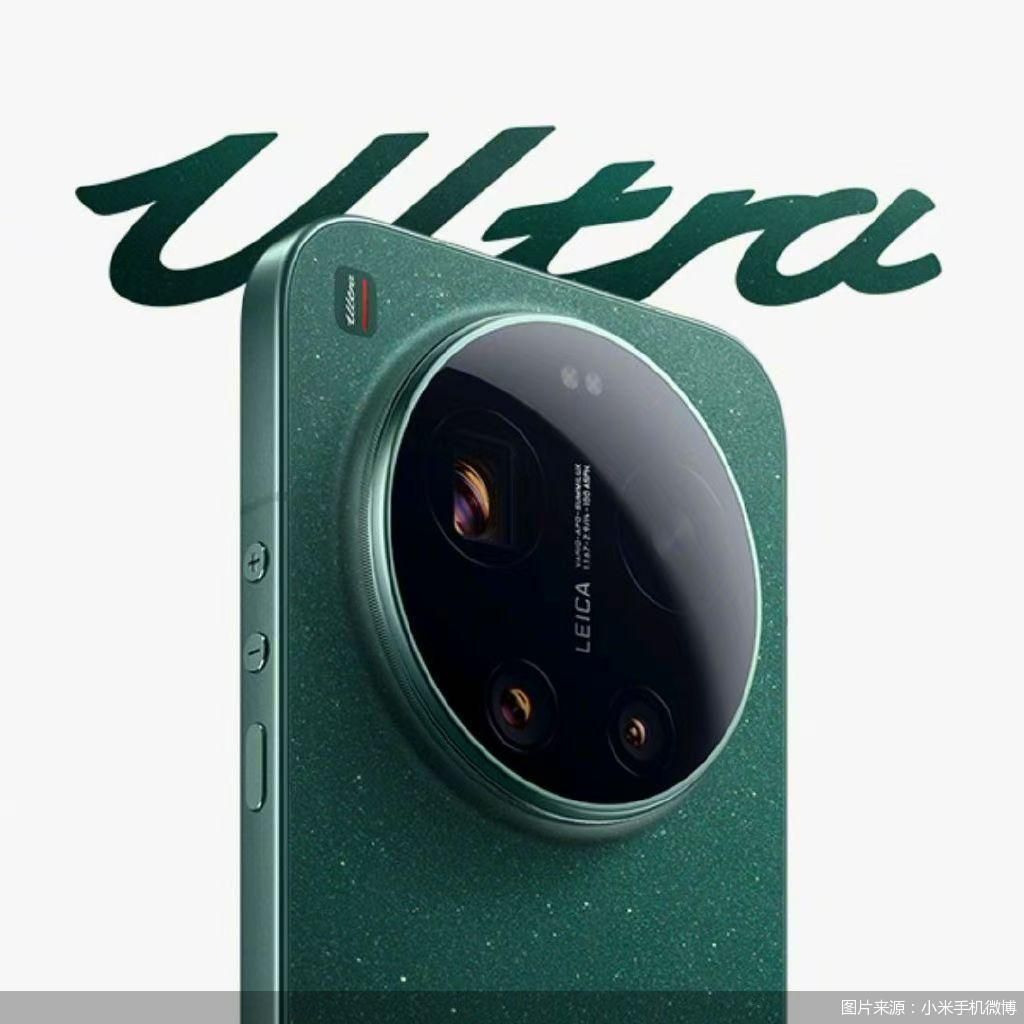
小米集团-W(1810.HK)Q3业绩点评:汽车实现单季度盈利 手机成本端短期或承压
Ge Long Hui· 2025-12-02 19:55
Core Viewpoint - Xiaomi reported Q3 2025 performance with total revenue of 113.1 billion yuan (+0.5% vs consensus), year-on-year growth of 22%; adjusted net profit reached 11.3 billion yuan (+12.6% vs consensus of 10 billion yuan), year-on-year growth of 81%, corresponding to a net profit margin of 10.0% [1] Group 1: Smartphone Business - Smartphone shipments in Q3 were 43.3 million units, a year-on-year increase of 0.5%, with a market share of 13.6%; market share in China was 16.7% [2] - Average Selling Price (ASP) was 1,062 yuan, down 4% year-on-year; smartphone revenue was 46 billion yuan (+0.3% vs consensus), year-on-year decline of 3.1% [2] - The increase in storage prices has led to a decline in gross margin, with Q3 smartphone gross margin at 11.1%; Q4 smartphone gross margin is expected to be 10% [2] Group 2: IoT and Internet Business - In Q3, IoT revenue was 27.6 billion yuan (-1.9% vs consensus), year-on-year growth of 5.5%; gross margin improved by 1.4 percentage points to 23.9% [3] - Major appliances faced pressure with a year-on-year revenue decline of 15% due to competition and subsidy reductions; attention is advised on overseas expansion and market share changes [3] - Internet business revenue for Q3 was 9.4 billion yuan (+2.2% vs consensus), year-on-year growth of 10.8% [3] Group 3: Automotive Business - The automotive segment achieved profitability for the first time, with Q3 deliveries of 108,800 units and an ASP of 260,000 yuan; gross margin decreased by 0.9 percentage points to 25.5% [3] - November deliveries exceeded 48,000 units, with expectations of nearing full production by year-end; total annual deliveries are projected to exceed 400,000 units [3] - Q3 automotive revenue was 29 billion yuan, with other related businesses contributing 700 million yuan [3] Group 4: Financial Forecast and Valuation - Projected revenues for Xiaomi Group in 2025 and 2026 are 471.7 billion yuan and 545 billion yuan (year-on-year growth of 29% and 16% respectively); adjusted net profits are forecasted at 43.3 billion yuan and 44.9 billion yuan (year-on-year growth of 59% and 4%) [3] - The company is assigned a 20x PE for its main business in 2026 and a 2.5x PS for the automotive segment, with a target price of 51.1 HKD and a "buy" rating [3]
182亿元!小米披露双11最新战报:拿下国产手机销量冠军
Nan Fang Du Shi Bao· 2025-11-05 14:35
Core Insights - This year's Double Eleven e-commerce promotion started earlier than in previous years, with JD and Douyin launching on October 9, and Taobao, Tmall, and Pinduoduo starting around October 15 [2] - Xiaomi reported a total payment amount exceeding 18.2 billion yuan for the Double Eleven event, securing the top position in domestic smartphone sales across all major platforms [2] - According to JD's Double Eleven mobile sales data, Apple ranked first in sales, with Xiaomi following closely in second place, becoming the champion among domestic smartphone brands [5] Xiaomi's Performance - Xiaomi's smartphone business generated revenue of 45.5 billion yuan in Q2 2025, with a shipment volume of 42.4 million units [7] - In the high-end smartphone market, Xiaomi's share in the 4000-5000 yuan price segment is 24.7%, maintaining the top position in China, while its market share in the 5000-6000 yuan segment reached 15.4%, an increase of 6.5 percentage points year-on-year [7] - Xiaomi is shifting its focus in the high-end market from the 4000-6000 yuan range to the ultra-high-end segment above 6000 yuan starting this year [7]