手机创新

Search documents
iPhone 17引爆Deco设计潮,手机设计为何狂卷「辨识度」?
3 6 Ke· 2025-10-20 01:26
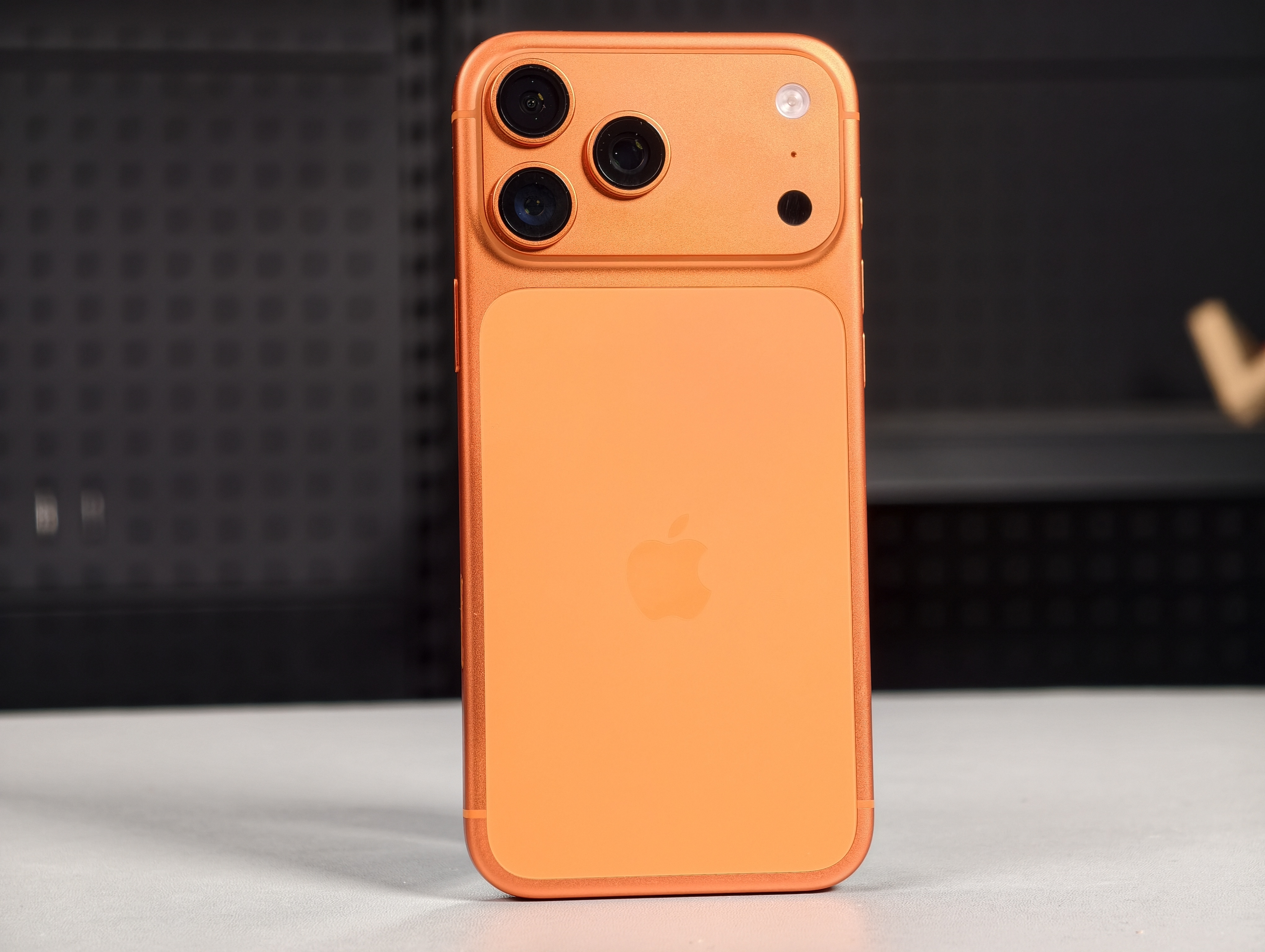
Core Viewpoint - Recent smartphone manufacturers, including Apple and Xiaomi, have shifted focus from aesthetic design to high recognition in their products, as evidenced by their new camera Deco designs, which prioritize distinctiveness over traditional beauty [1][12][22]. Design Changes - Apple and Xiaomi have both adopted a long strip camera Deco design, moving away from their previous design identities, which has not negatively impacted their sales but rather attracted new users [1][4]. - The iPhone 17 series features a horizontal Deco that enhances visual recognition, while Xiaomi's 17 series includes a back screen that serves multiple functions, such as displaying notifications and enabling selfies [1][6][4]. Sales Performance - The iPhone 17 series saw a 30% increase in sales compared to its predecessor in its first week, with over 4 million units activated in China by October 12, indicating a potential resurgence in Apple's market position [4][6]. - Xiaomi's 17 series has a different sales distribution, with the higher-priced Pro Max version accounting for 50% of sales, showcasing strong market acceptance of the new back screen feature [6][4]. Market Trends - The trend of prioritizing recognition over aesthetics is evident across various brands, including Realme and OPPO, which have also made significant design changes to enhance product differentiation [11][12]. - The smartphone industry is experiencing severe homogenization, leading manufacturers to innovate through design changes rather than solely focusing on technical specifications [14][22]. Consumer Preferences - Consumers are increasingly drawn to smartphones that are easily recognizable and address practical needs, rather than those that are merely visually appealing [23][22]. - The introduction of unique features, such as Xiaomi's back screen and Realme's interchangeable camera modules, reflects a shift towards meeting individual user preferences and cultural trends [6][9][22]. Future Innovations - The upcoming Honor ROBOT PHONE introduces a foldable gimbal camera and advanced AI capabilities, suggesting a potential new direction for smartphone innovation that combines mechanical design with AI [18][22]. - The industry may benefit from exploring new forms and functionalities, moving beyond traditional designs to create products that resonate with users on a deeper level [22][23].



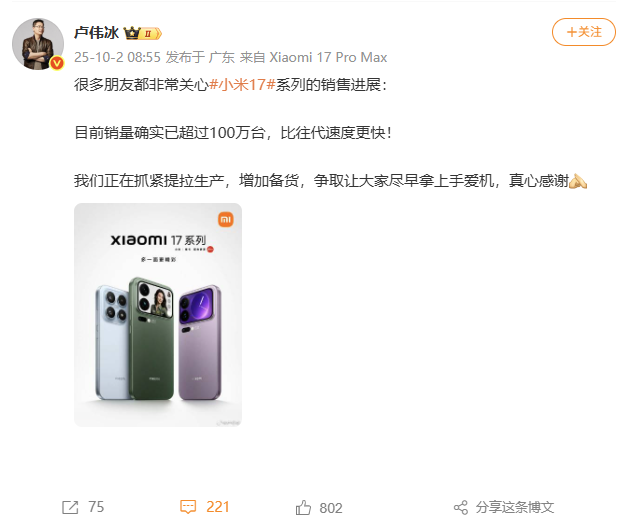
卢伟冰:小米17系列销量已超100万台,比往代速度更快
Feng Huang Wang· 2025-10-02 11:40
Core Insights - Xiaomi's 17 series has surpassed 1 million units in sales, achieving this milestone faster than previous models [1][4] - The Pro Max model is the best-selling variant, with significant improvements in product structure, crossing the 6K+ price threshold [4][5] - Xiaomi plans to increase production of the 1TB version due to user demand, with deliveries starting on October 5 [4][5] Sales Performance - The initial sales results of the Xiaomi 17 series are promising, with the Pro Max leading in sales [4][5] - The overall sales strategy aims to compete directly with Apple, focusing on high-end market segments [5] Product Strategy - The company has made bold innovations, including a back screen design, to differentiate itself in a competitive smartphone market [5] - Despite the risks associated with these changes, user feedback has been positive, validating the company's approach [4][5][6]
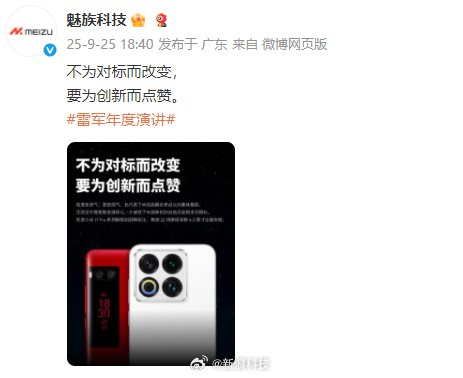
魅族回应小米新品发布,称不为对标而改变
Xin Lang Ke Ji· 2025-09-26 04:25
Core Viewpoint - The company Meizu emphasizes its commitment to innovation rather than merely following competitors, as highlighted by its response to Xiaomi's recent product launch [1][3]. Group 1 - Meizu's statement reflects a philosophy of not changing to merely compete, but rather to celebrate innovation [1][3]. - The company acknowledges Xiaomi's new features, specifically the dual-screen functionality introduced with the Xiaomi 17 Pro series, while reaffirming its focus on the Meizu 22 model's 6.3-inch all-around experience [1][3]. - The message conveys a sense of pride in the progress and diversity of Chinese brands in the smartphone industry [3].