打破35岁门槛

Search documents
教育向质而行,就业破龄而张
Qi Lu Wan Bao· 2025-12-31 10:21
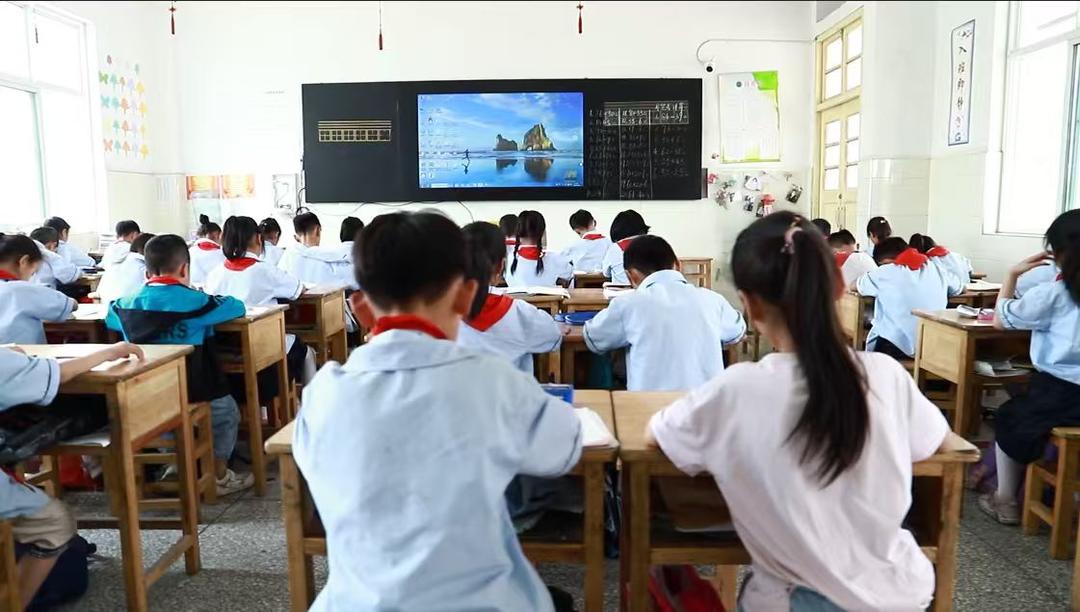
Core Viewpoint - In 2025, China is actively addressing the challenges and opportunities brought by demographic changes through a series of institutional innovations, particularly in education and employment sectors [1] Group 1: Education Sector Changes - The phenomenon of declining birth rates is leading to significant changes in the education sector, exemplified by a Shanghai primary school merging due to insufficient student numbers, with only 22 students remaining and 23 staff members [2] - Nationally, the number of elementary school students decreased by approximately 13 million from 2019 to 2023, indicating a significant impact of declining birth rates on both preschool and compulsory education [2] - Various regions are exploring flexible teacher allocation and structural optimization in response to shrinking student populations, with initiatives like cross-stage teacher transfers and the establishment of "county teacher rotation pools" to enhance resource allocation [4] Group 2: Employment Market Adjustments - The employment market is witnessing a shift in age restrictions, with the 2026 national civil service exam allowing candidates up to 40 years old, and several provinces raising the age limit for public sector recruitment to between 38 and 45 years [5] - This policy change reflects a dual consideration: compensating for the longer training periods of highly educated individuals and ensuring a balanced talent pipeline for grassroots positions [7] - The relaxation of age limits is expected to have long-term effects, influencing a broader range of job applications and shifting societal standards from age-based evaluations to capability-based assessments [7] Group 3: Balancing Efficiency and Fairness - The ongoing adjustments in education and employment sectors are driven by two main themes: optimizing resource allocation to align with demographic changes and industry needs, and breaking down institutional age barriers to provide broader development opportunities for all age groups [7] - The efforts in 2025 represent a dynamic process of seeking balance between fairness and quality in social development, aiming for a more equitable, higher-quality, and sustainable society [7]