执政根基

Search documents
特朗普突然喊停先不打伊朗,他还有另外一场硬仗要打
Sou Hu Cai Jing· 2026-02-25 10:57
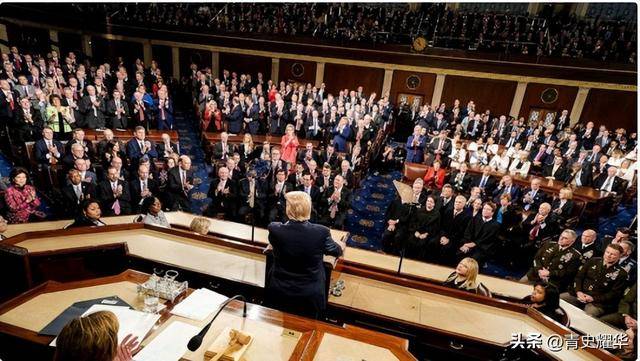
Core Viewpoint - The article discusses the political challenges faced by Trump as he prepares for his second term's first State of the Union address, highlighting the impact of a recent Supreme Court ruling against his tariff policies and his declining approval ratings, which have forced him to prioritize domestic political stability over potential military action against Iran [1][3][11]. Group 1: Supreme Court Ruling and Tariff Policies - The Supreme Court ruled against Trump's extensive tariff policies, stating they lacked legal authorization, which undermines his core economic strategy [5][7]. - This ruling poses a significant threat to Trump's political foundation, as tariffs were a key element in his appeal to blue-collar workers [9][12]. - The decision could lead to the invalidation of existing tariffs and potential refund claims from U.S. businesses, creating chaos within the White House [7][9]. Group 2: Declining Approval Ratings - Trump's approval ratings have plummeted below 40%, with some polls showing figures as low as 36%, marking the lowest for a new president in nearly 80 years [14][16]. - Public dissatisfaction is largely centered on economic issues, with over 70% of Americans believing his policies could lead to a recession [14][16]. - The combination of rising prices due to tariffs and ineffective immigration policies has exacerbated public discontent, further threatening Trump's political standing [16][17]. Group 3: Political Strategy and State of the Union Address - The upcoming State of the Union address is viewed as a critical opportunity for Trump to regain support and assert his leadership amidst his current challenges [21][23]. - Any unexpected military action against Iran during this time could overshadow his address and further damage his political image [25][32]. - Trump's decision to prioritize diplomatic rhetoric over military action against Iran reflects a strategic choice to focus on domestic political survival rather than foreign conflict [29][31].