政治秀

Search documents
特朗普突然喊停先不打伊朗,他还有另外一场硬仗要打
Sou Hu Cai Jing· 2026-02-25 10:57
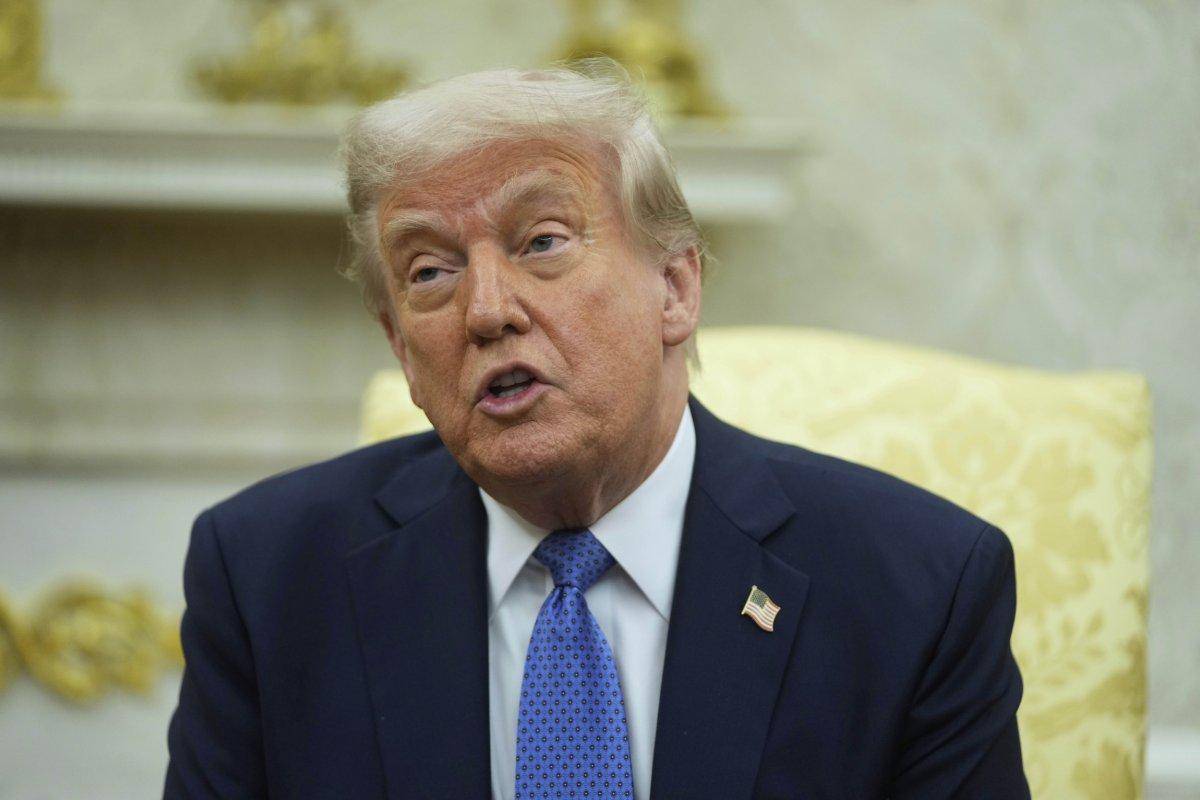
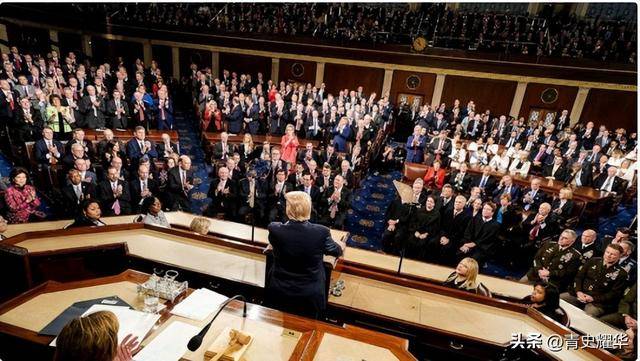
Core Viewpoint - The article discusses the political challenges faced by Trump as he prepares for his second term's first State of the Union address, highlighting the impact of a recent Supreme Court ruling against his tariff policies and his declining approval ratings, which have forced him to prioritize domestic political stability over potential military action against Iran [1][3][11]. Group 1: Supreme Court Ruling and Tariff Policies - The Supreme Court ruled against Trump's extensive tariff policies, stating they lacked legal authorization, which undermines his core economic strategy [5][7]. - This ruling poses a significant threat to Trump's political foundation, as tariffs were a key element in his appeal to blue-collar workers [9][12]. - The decision could lead to the invalidation of existing tariffs and potential refund claims from U.S. businesses, creating chaos within the White House [7][9]. Group 2: Declining Approval Ratings - Trump's approval ratings have plummeted below 40%, with some polls showing figures as low as 36%, marking the lowest for a new president in nearly 80 years [14][16]. - Public dissatisfaction is largely centered on economic issues, with over 70% of Americans believing his policies could lead to a recession [14][16]. - The combination of rising prices due to tariffs and ineffective immigration policies has exacerbated public discontent, further threatening Trump's political standing [16][17]. Group 3: Political Strategy and State of the Union Address - The upcoming State of the Union address is viewed as a critical opportunity for Trump to regain support and assert his leadership amidst his current challenges [21][23]. - Any unexpected military action against Iran during this time could overshadow his address and further damage his political image [25][32]. - Trump's decision to prioritize diplomatic rhetoric over military action against Iran reflects a strategic choice to focus on domestic political survival rather than foreign conflict [29][31].

美方连本带利向中国索赔1700亿英伟达市值暴跌,特朗普一反常态
Sou Hu Cai Jing· 2025-12-01 03:12
Group 1 - The relationship between China and the U.S. shows signs of improvement following the fifth round of negotiations, but a lawsuit from Missouri's Attorney General seeking 170 billion yuan in damages has raised concerns [1][6][12] - Trump's silence on the lawsuit is notable, especially given the recent decline in market value for companies like Nvidia, indicating a shift in his approach towards China [1][16] - The lawsuit is perceived by many as a political stunt, with the Attorney General aiming to gain political capital rather than seeking justice for citizens [8][14] Group 2 - China symbolically purchased 180,000 tons of soybeans on October 29, which serves as a test of the U.S. willingness to cooperate [3] - Trump's early arrival at the G20 meeting in Busan and his reference to the U.S.-China meeting as a G2 summit suggest a potential shift in diplomatic tone [5] - The Missouri court's ruling in favor of the state's claim against China, despite China's absence, raises questions about the precedent of sovereign nations being subjected to foreign court rulings [10][12] Group 3 - Nvidia's significant market share in China has plummeted due to fluctuating U.S. export policies, with projections indicating that China's AI chip market could reach $200 billion by 2030 [16] - Nvidia reported a net profit of nearly $32 billion for the third quarter, a 65% year-over-year increase, but concerns about market sustainability led to a subsequent drop in stock price [18] - Trump's reluctance to adopt a confrontational stance with China, despite pressure from hardline politicians, reflects the complexities of balancing economic interests with political pressures [20]

特朗普刚对中国“掀桌子”,半天时间都不到,美国马上就露怯了
Sou Hu Cai Jing· 2025-10-13 12:42
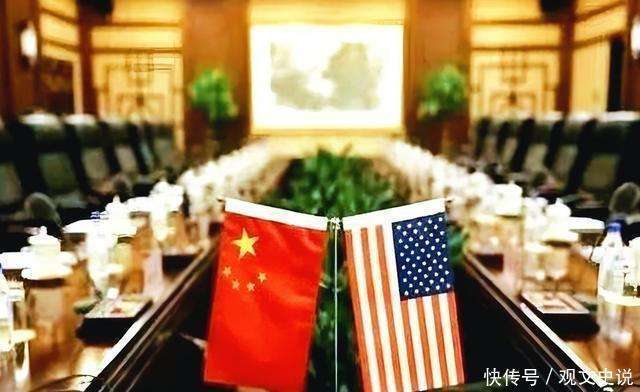
Core Viewpoint - The recent announcement by Trump regarding a potential 100% tariff on Chinese goods is seen as a political maneuver rather than a genuine economic strategy, aimed at rallying support ahead of upcoming elections [1][4][33]. Group 1: Tariff Announcement and Political Context - Trump's call for a 100% tariff is not a spontaneous decision but a strategic move to elevate the rhetoric surrounding trade with China [3][5]. - The timing of this announcement is crucial, as it coincides with significant domestic elections, suggesting that it serves to create a confrontational atmosphere to garner votes [4][11]. - The use of tariffs as a political tool has become a standard practice within Trump's administration, aimed at pressuring China into concessions [7][11]. Group 2: Economic Implications and Global Impact - The proposed tariffs, while seemingly aggressive, are part of a familiar strategy that has not effectively reversed the trade deficit or brought manufacturing back to the U.S. [13][46]. - The uncertainty created by such tariff threats affects not only U.S.-China relations but also disrupts global supply chains, impacting economies that are closely tied to China [13][44]. - U.S. consumers and businesses are likely to bear the brunt of these tariffs, raising costs and complicating the economic landscape [9][26]. Group 3: U.S. Trade Representative's Response - The U.S. Trade Representative's statement downplaying the likelihood of a trade war indicates a strategic balancing act, where aggressive rhetoric is coupled with a softer stance to manage public perception [17][21]. - This dual approach of hard and soft messaging is designed to maintain pressure on China while also preparing for potential backlash from domestic industries [21][29]. - The lack of specific details regarding the implementation of the tariffs suggests that the U.S. is still gauging reactions from both the market and China before proceeding [23][24]. Group 4: China's Position and Strategic Response - China is unlikely to respond to tariff threats with immediate concessions, as the trade dynamics have evolved into a broader competition between the two nations [29][52]. - The Chinese government has been enhancing its own economic resilience while continuing to engage in global trade, indicating a strategic approach to withstand U.S. pressures [52][54]. - Observations from other countries suggest a growing discontent with U.S. unilateralism, which may shift the balance of power in international trade discussions [54][56].
特朗普喊话中国,必须向美国提供稀土:我还有强大筹码,但不想打
Sou Hu Cai Jing· 2025-08-27 05:29
Group 1 - Trump's demand for China to provide rare earth magnets or face a 200% tariff on Chinese products reflects a political stance rather than a response to an actual supply shortage in the U.S. [1][3] - The U.S. currently does not face a rare earth shortage, as the supply chain has stabilized following negotiations between the U.S. and China, allowing American companies to resume normal production [3][5] - Trump's assertion of having a "strong bargaining chip" regarding Boeing's supply chain is misleading, as Boeing heavily relies on the Chinese market for sales, making any supply disruption detrimental to Boeing itself [5][7] Group 2 - The relationship between the U.S. and China in the rare earth and aviation sectors is characterized by deep interdependence, with both countries benefiting from cooperation rather than confrontation [7][9] - Trump's rhetoric serves to bolster his political image domestically, but it risks undermining U.S. corporate interests and credibility in international trade [7][9] - The historical context of U.S.-China trade tensions shows that threats often lack follow-through due to the economic implications for American businesses, which continue to seek engagement with China [5][9]