
技术替代方案

Search documents
巴西大豆坐地起价报价疯涨,中国买家集体停购,加大阿根廷采购量
Sou Hu Cai Jing· 2025-10-21 13:37
Core Viewpoint - The article discusses the dynamics of the soybean market between China and Brazil, highlighting China's strategic response to Brazil's price hikes and the implications for global supply chains and trade relationships [1][3][25]. Group 1: China's Strategic Response - Chinese buyers collectively paused soybean purchases for December and January shipments in response to Brazil's price increases, which were over $1 per bushel higher than U.S. prices [3][19]. - This pause is seen as a strategic move rather than a crisis, reflecting China's resilience and strategic planning in food security [5][23]. - China's ability to halt purchases is supported by three key advantages: strong national strategic reserves, a diversified import system, and technological advancements in feed alternatives [5][7][9]. Group 2: Key Advantages - The first advantage is China's substantial national strategic reserves of soybeans, which can be released to stabilize the market during supply shortages or price volatility [7]. - The second advantage is the increasingly diversified import system, which has expanded beyond Brazil to include countries like Argentina, Uruguay, and Canada, reducing reliance on any single source [9][11]. - The third advantage is the technological progress in feed alternatives, allowing for a 15% replacement of soybean meal with other protein sources, thus reducing overall demand for soybeans [13]. Group 3: Market Dynamics and Future Opportunities - The article emphasizes that the current price surge is rooted in the broader context of U.S.-China trade relations, with Brazil benefiting from China's strategic shift away from U.S. soybean imports [15][17]. - Two potential turning points for the soybean market are identified: Brazil's anticipated record soybean harvest and the possibility of breakthroughs in U.S.-China trade negotiations [36][38]. - If these conditions materialize, it could lead to a recalibration of soybean prices, benefiting Chinese buyers and restoring market balance [34][41].

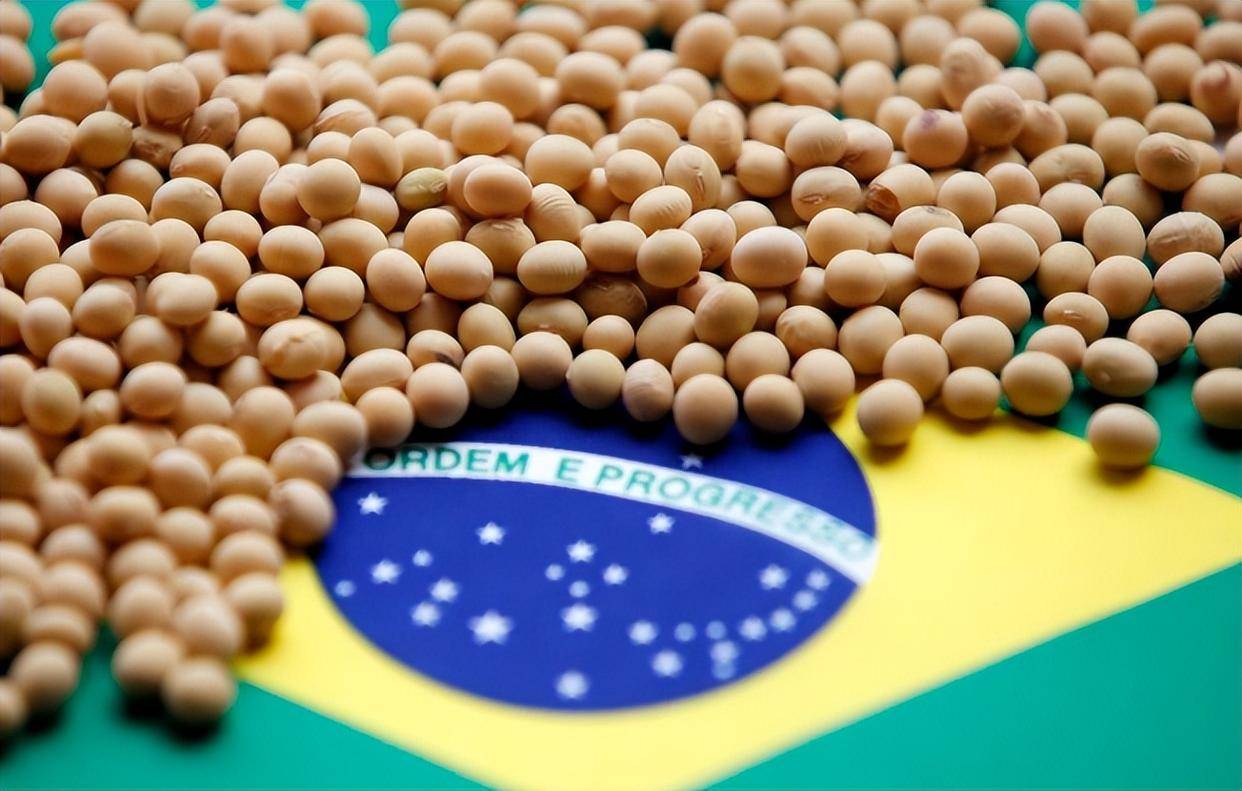
巴西粮商坐地起价,溢价每蒲式耳溢价2.9美元,中国买家集体停购反击
Sou Hu Cai Jing· 2025-10-21 09:55
Core Viewpoint - The collapse of a soybean storage facility in the U.S. has led to a significant loss of over 800 tons of soybeans, while Brazilian soybean prices have surged, creating a stark contrast in the market dynamics between the two countries [1][3][4]. Group 1: Market Dynamics - The collapse of a soybean warehouse in Illinois resulted in the loss of over 800 tons of soybeans, which has left U.S. farmers in despair as they seek government assistance that has not materialized [3][4]. - Brazilian soybean prices have increased dramatically, with quotes exceeding the Chicago Board of Trade (CBOT) benchmark by $2.9 per bushel, compared to a $1.7 premium for U.S. soybeans, indicating opportunistic pricing behavior from Brazilian traders [4][6]. Group 2: China's Position and Strategy - Chinese buyers are strategically pausing purchases in response to Brazil's inflated prices, leveraging their substantial national strategic reserves of soybeans to negotiate better terms [8][10]. - China has diversified its soybean import sources, including Argentina, Uruguay, and Canada, which helps mitigate risks associated with relying solely on Brazilian imports [10][12]. - Technological advancements in feed formulation have allowed China to increase the substitution rate of soybean meal with alternatives like rapeseed and cottonseed meal, reducing overall soybean demand and weakening the bargaining power of sellers [12][14]. Group 3: Long-term Implications - The current situation presents an opportunity for China to reshape the international trade order, aiming to transition from being a price taker to a rule maker in global soybean trade [14][19]. - A report from Goldman Sachs predicts that if China successfully increases its soybean meal substitution rate to 20%, it could lead to a fundamental shift in global soybean trade dynamics, potentially lowering South American soybean prices by 10% to 15% [17][22]. - Experts suggest that China's approach should involve both leveraging international markets and enhancing domestic oilseed crop self-sufficiency, which is crucial for national economic sovereignty [19][24]. Group 4: Conclusion - The price surge from Brazil inadvertently provides China with a chance to address its pricing power shortcomings in the soybean market, signaling a potential shift in global commodity market dynamics [26].
