技术赋能与人类主导的平衡

Search documents
当AI点奶茶火遍朋友圈:未来的人类会把决策权交给算法吗?
首席商业评论· 2026-01-17 04:23
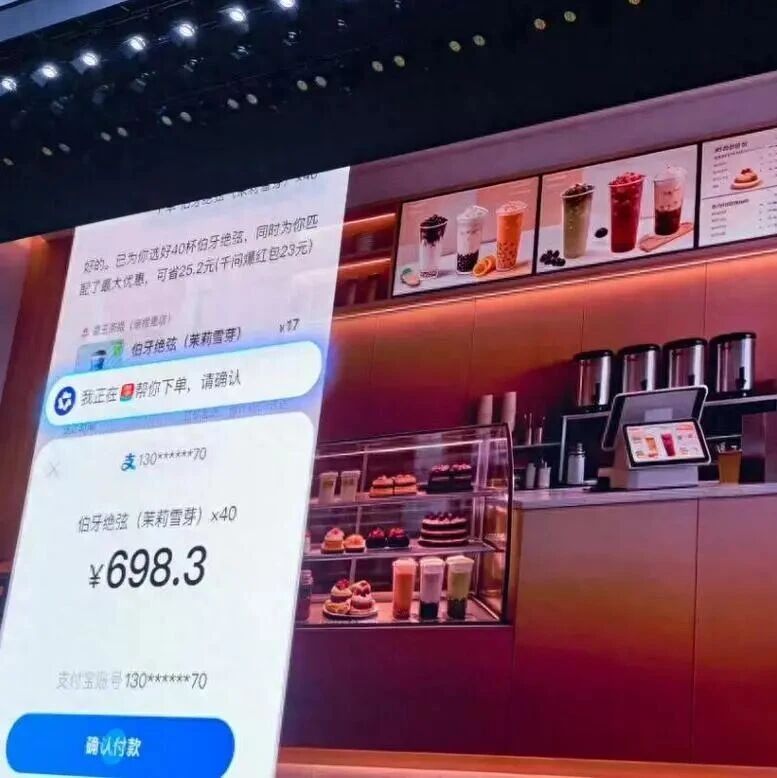
Core Viewpoint - The integration of AI applications into daily life, such as ordering food through voice commands, signifies a transformative impact on consumer behavior and decision-making processes [3][5][7]. Group 1: AI Integration in Daily Life - The AI application Qianwen has fully integrated with Taobao Flash Purchase and Alipay AI Payment, allowing users to place orders simply by speaking commands like "help me order a cup of milk tea" [3]. - Users have begun to test AI ordering capabilities, demonstrating the technology's ability to customize orders and split bills among multiple people [5]. Group 2: Implications of AI on Human Decision-Making - There are concerns about the potential loss of personal decision-making abilities as AI takes over tasks like ordering food, raising questions about the importance of human agency [7]. - Scientific experiments indicate that human decision-making accuracy is inferior to that of AI, yet human creativity remains a critical asset that AI cannot replicate [7]. - The balance between "technology empowerment" and "human dominance" is highlighted as a pressing ethical issue in the context of AI's growing role in decision-making [7]. Group 3: The Future of AI and Human Interaction - Despite the advancements in AI, humans retain significant control over AI applications, possessing the ability to reflect and manage their engagement with technology [9]. - The ultimate purpose of technology is framed as liberating life rather than taking over, suggesting that the time saved from decision-making could be used for creative thinking and personal interactions [9]. - Maintaining personal preferences in decision-making, such as choosing a specific flavor of milk tea, is presented as a way for individuals to counteract potential decision-making degradation [9].