投资依赖症

Search documents
被深证100“除名”,市值蒸发千亿:泰格医药如何走出“投资依赖症”?
Xin Lang Cai Jing· 2025-12-25 09:40
Group 1 - The core point of the article highlights the stark contrast between the overall recovery of the CRO industry, which has seen a rise of over 40% this year, and the significant decline of Tigermed, which has been removed from the Shenzhen 100 Index due to its stock price dropping over 70% since its peak in 2021, resulting in a market value loss of more than 130 billion yuan [1][2][7] Group 2 - The removal of Tigermed from the Shenzhen 100 Index reflects a decline in its industry status, as the adjustment is based on quantitative indicators such as market capitalization, liquidity, and industry representation, indicating a reassessment of its market leadership [2][3] - Despite holding a 10.6% market share and being the only Chinese clinical CRO in the global top ten, Tigermed's revenue is projected to decline by 10.58% in 2024, with net profit expected to plummet by nearly 80% [3][8] - In the first three quarters of 2025, while net profit increased by 25.45%, this growth was primarily driven by non-operating income, including a 303% surge in investment income and a more than tenfold increase in fair value changes [3][8] Group 3 - Tigermed faces dual challenges: external factors such as intensified industry competition and rising costs, alongside internal issues like an imbalanced profit model [4][9] - The gross margin for clinical trial services has dropped from 38.4% to 22.8%, indicating pricing pressure and cost control challenges [4][9] - The company's reliance on investment income has made its profit structure fragile, raising concerns about sustainability [4][9] Group 4 - The CEO's decision to cash out over 21 million yuan in September 2025 has further shaken market confidence in Tigermed [4][9] - Although some institutions predict potential revenue recovery in the next three years, Tigermed must transition from an "investment-driven" model to a "core business-driven" approach to regain market trust and improve its competitive edge [4][9][10]

六个核桃,芯片补脑
3 6 Ke· 2025-04-28 06:29
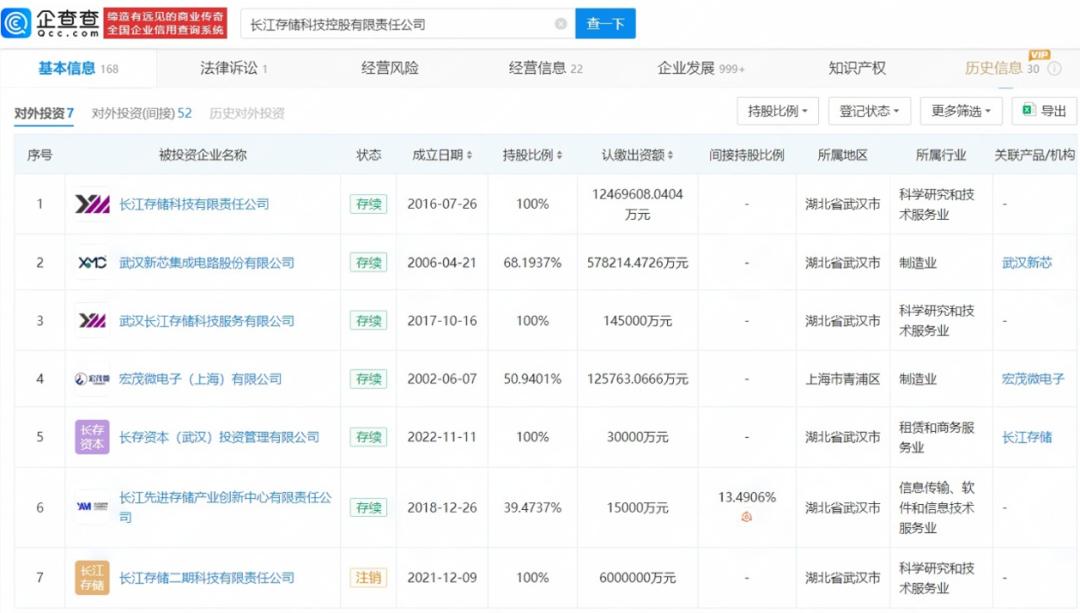
Core Viewpoint - The investment by Yangyuan Beverage in Changjiang Storage Technology Holding Co., amounting to 1.6 billion yuan, has drawn attention from investors, indicating a shift from its core business of walnut milk to cross-industry investments as a means to seek new growth opportunities [1][2][10]. Group 1: Investment Details - Yangyuan Beverage's investment in Changjiang Storage represents 90% of its net profit for the previous year, highlighting the significant financial commitment involved [2][10]. - The investment aims to explore a new business model through equity investment, suggesting a strategic pivot from traditional manufacturing to investment [11][14]. - The investment in Changjiang Storage is part of a broader trend where Yangyuan has engaged in various cross-industry investments, including real estate and technology sectors, over recent years [14][15]. Group 2: Company Background and Performance - Yangyuan Beverage, known for its walnut milk product "Six Walnuts," has seen a decline in revenue and profit since its peak in 2015, with 2024 projected revenue at 6.058 billion yuan, down one-third from its peak [22][25]. - The company has struggled with product innovation, relying heavily on its walnut milk, which has led to stagnation in growth [22][25]. - Despite attempts to diversify its product offerings, new products have not significantly contributed to revenue, with functional beverages accounting for only 10% of total revenue [25][26]. Group 3: Industry Context - Changjiang Storage is recognized as the largest storage chip enterprise in China, with significant potential for growth if it goes public [6][7]. - The semiconductor industry, where Changjiang Storage operates, is capital-intensive and currently undergoing cyclical adjustments, which may impact profitability [7][10]. - Yangyuan's investment strategy reflects a broader trend in the beverage industry, where companies are increasingly looking to diversify and invest in high-growth sectors to offset stagnation in traditional markets [14][27].