抗战叙事

Search documents
孤岛之上 浪潮永生
Xin Lang Cai Jing· 2026-01-30 18:44
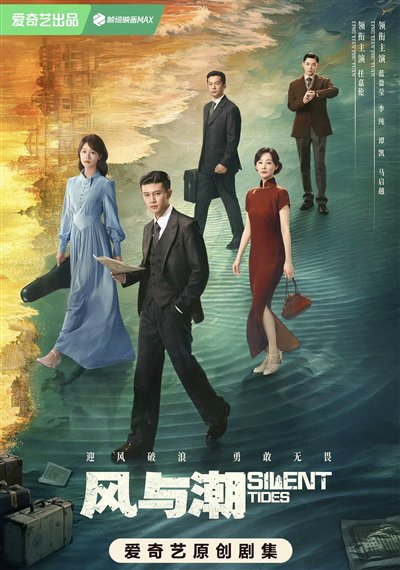
Core Viewpoint - The drama "Wind and Tide" breaks traditional narratives of anti-Japanese war dramas by focusing on Macau's role during the "Wind and Tide period," highlighting its unique historical significance and the struggles faced by its people during the war [4][5]. Group 1: Historical Significance - The series fills a gap in the narrative of Macau's anti-Japanese war history, portraying it as an active participant rather than a bystander from 1941 to 1945 [4]. - It emphasizes the "invisible battlefield" of economic blockades, financial struggles, and the fight for survival in terms of food and medicine, showcasing the complexities of war beyond direct combat [4][5]. Group 2: Character Development - The show features a diverse cast of characters, each contributing to the narrative, with no character serving merely as a background figure, thus enriching the historical context [5][6]. - The protagonist, He Xian, evolves from a small silver shop owner to a business leader, embodying the spirit of prioritizing national duty over personal gain [5][6]. Group 3: Artistic and Narrative Techniques - The director employs a combination of dynamic and static shots to create a sense of urgency and contrast, effectively conveying the themes of the story [6]. - Historical facts, such as the famine that led to over 16,000 deaths in Macau, are integrated into the plot, enhancing the emotional weight and historical accuracy of the narrative [6]. Group 4: Conclusion and Impact - The series concludes not with a grand celebration but with a poignant moment that extends to the founding of New China, symbolizing the sacrifices made during the war [6]. - "Wind and Tide" redefines the boundaries of anti-war narratives, illustrating that the war effort includes not only frontline battles but also the support and resilience from the home front [6].

呈现跨越国界的热血营救(烽火记忆·时代回响·纪念抗战胜利80周年)
Ren Min Ri Bao Hai Wai Ban· 2025-09-04 22:56
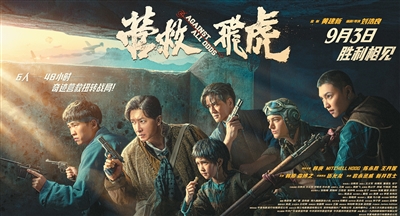
Core Viewpoint - The film "Rescue Flying Tigers" commemorates the 80th anniversary of the victory in the Chinese People's Anti-Japanese War and the World Anti-Fascist War, depicting a true historical narrative of the East River Column's efforts to rescue American pilots during the Japanese occupation of Hong Kong in 1944 [2][5]. Group 1: Historical Context and Narrative - The film is based on the real-life actions of the East River Column's Hong Kong-Kowloon Independent Brigade, which successfully rescued dozens of Allied pilots, including eight from the Flying Tigers, showcasing international humanitarian spirit [5]. - A notable rescue operation depicted in the film is the successful extraction of Flying Tiger Lieutenant Donald Kerr, which led to intelligence cooperation between the Allies and the East River Column [5]. - The film's narrative includes a dramatic 48-hour mission where the East River Column operatives and a Chinese underground party member collaborate to rescue a captured pilot and relay critical intelligence to the Allies [5][6]. Group 2: Production and Artistic Approach - The production team invested significant effort in recreating the historical setting of 1944 Hong Kong, ensuring authenticity in the portrayal of locations and character designs [7]. - The film features a mix of languages, including Cantonese, Mandarin, English, and Japanese, to accurately reflect the linguistic environment of the time [7]. - The cast underwent extensive training to handle period-appropriate weaponry, highlighting the challenges faced by the East River Column during the war [7]. Group 3: Character Development and Themes - The film presents a diverse range of characters, including young informants and seasoned fighters, emphasizing the collective effort in the resistance against Japanese forces [8][9]. - The recurring phrase "work hard" symbolizes the underground operatives' commitment to their mission and the hope for survival amidst adversity [8]. - The emotional bond formed between the characters, particularly between the American pilot and the East River Column members, illustrates themes of trust, courage, and shared goals transcending national boundaries [9][10]. Group 4: Reception and Impact - The film has received high praise from industry professionals for its accurate representation of the era's spirit and emotional depth [10]. - The creators aim for the film to serve not only as a thrilling narrative but also as a tribute to heroes and a reflection on the importance of cooperation and peace [10].