
电视剧《风与潮》

Search documents
孤岛之上 浪潮永生
Xin Lang Cai Jing· 2026-01-30 18:44
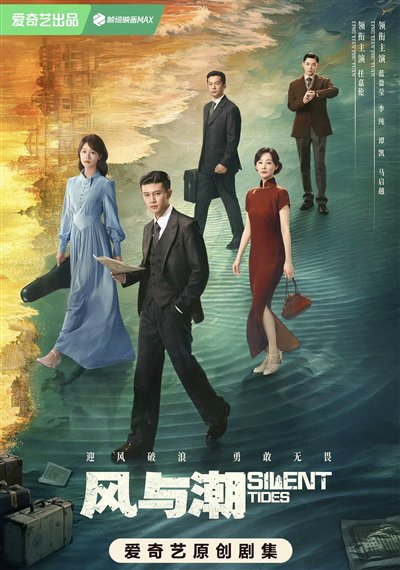
(来源:团结报) 转自:团结报 叙事与艺术手法的匠心,让深刻主题得以精准传递。导演杨振宇采用"动静结合"的手法,用金融交易所 的运动镜头营造紧迫感,何贤"以不变应万变"的沉稳则用固定镜头刻画,形成鲜明对比。剧集遵循"大 事不虚,小事不拘"的原则,将澳门三年饥荒饿死超1.6万人等被忽视的史实融入剧情,唤醒民族记忆。 结局的处理更是高明,没有轰轰烈烈的庆功宴,而是延伸至新中国成立的五星红旗下,何贤代表澳门华 人发言的笑容,成为对所有牺牲者的最好告慰。这种"最后一难"的设计,让胜利的来之不易更加凸显, 也让故事格局彻底打开。 □李禹彤 电视剧《风与潮》的成功,不仅在于它让枯燥的历史变成有温度的故事,更在于它重新定义了抗战叙事 的边界。它告诉我们,抗战不仅由前线的枪弹轰鸣构成,更由后方的调度、筹划、坚守与互助支撑。风 是乱世的兵荒马乱,潮是华人的众志成城,风会停,潮会平,但那些为正义与家国付出的牺牲,永远值 得铭记。这部剧的热潮与回响,恰证明了真诚的历史表达拥有跨越时空的力量,也让我们在回望中懂 得,每个时代的坚守与勇气,都是照亮前路的光。 太平洋战争的硝烟笼罩东南亚,澳门成为乱世中的"孤岛",也成为电视剧《风与潮》 ...

澳门举行电视剧《风与潮》观影交流会 共话家国情怀
Xin Lang Cai Jing· 2025-12-20 06:43
Group 1 - The core theme of the news is the screening and discussion of the TV series "Wind and Tide," which commemorates the 80th anniversary of the victory in the Chinese People's War of Resistance Against Japanese Aggression and the 26th anniversary of Macau's return to China [1][3] - The series is based on the life of Macau business leader Ho Yin and incorporates elements of financial warfare, commercial battles, and espionage, vividly portraying the patriotic spirit of individuals during turbulent times [3] - The production team dedicated seven years to research and recreate the historical context of Macau during the war, consulting families and experts to ensure authenticity in details such as art, costumes, and settings, elevating the series to a work of documentary value [3] Group 2 - A themed seminar titled "Wind and Tide: The Anti-Japanese Spirit and National Memory of Macau Compatriots" was held, where guests engaged in deep discussions about the unique value of Macau's wartime history and the contemporary transmission of patriotic spirit [3] - Attendees expressed a more comprehensive understanding of Macau's wartime history and a deeper appreciation for the spirit of "patriotism and love for Macau" [3]
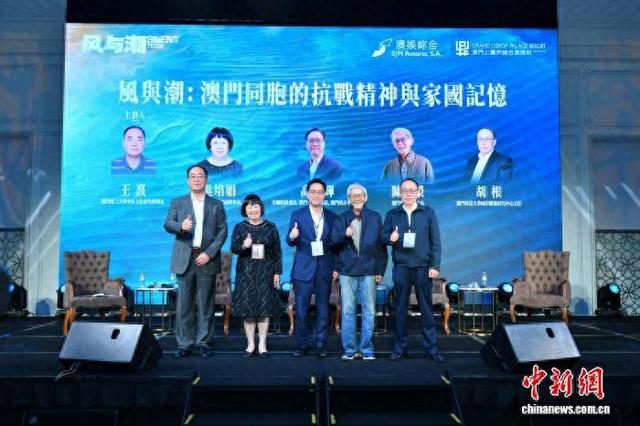
澳门举办电视剧《风与潮》观影交流会共话家国情怀
Xin Hua She· 2025-12-19 15:31
Core Viewpoint - The TV series "Wind and Tide" commemorates the 80th anniversary of the victory in the Chinese People's War of Resistance Against Japanese Aggression and the 26th anniversary of Macau's return to China, highlighting the contributions of Macau during the war through the life of business leader Ho Yin [1][2] Group 1 - The series integrates local history into the national narrative, showcasing the struggles of patriotic compatriots in Macau during the war across various fronts such as finance, intelligence, and supplies [1] - The event featured speeches from family representatives of historical figures, creators, and guests, discussing the creative value and historical significance of the series, emphasizing the transmission of patriotic spirit across generations [1] - The series is described as not only a passionate ensemble drama but also a touching emotional epic that aims to make the contributions of Macau during the war memorable [1] Group 2 - A themed seminar titled "Wind and Tide: The Anti-Japanese Spirit and National Memory of Macau Compatriots" was held, where guests engaged in deep discussions about the unique value of Macau's wartime history and the contemporary transmission of patriotic spirit [2] - Attendees expressed a more comprehensive understanding of Macau's wartime history and a deeper appreciation for the "patriotic love for Macau" spirit [2]
拨开迷雾,重新认识澳门
Ren Min Ri Bao· 2025-12-18 00:43
Core Viewpoint - The article discusses the historical significance of Macau during World War II, highlighting its unique role in the anti-Japanese war despite not being directly occupied by Japanese forces. The narrative emphasizes the economic warfare that took place, showcasing the resilience and contributions of the local population in supporting the anti-fascist efforts [1][4]. Group 1: Historical Context - The article reveals that in early 1942, Japanese forces implemented a military blockade on Macau, leading to a famine that resulted in 16,608 reported deaths from starvation, with the actual number likely higher [1]. - It notes that Macau, with an area of only 13 square kilometers, was surrounded by enemy forces, raising questions about why Japan chose not to occupy it directly [1]. Group 2: Economic Warfare - The Japanese aimed to control Macau's financial and trade systems by forcing the Portuguese government to sign secret agreements that restricted trade, shipping, and customs [2]. - The article describes the efforts of local Chinese patriots and underground Communist Party members who worked to secure food supplies and protect the local currency, demonstrating a coordinated response to the economic challenges posed by the blockade [4]. Group 3: Contributions to the War Effort - The narrative highlights that the total amount of strategic materials transported by patriotic Chinese merchants from Hong Kong and Macau during the war was more than ten times that of the famous "Hump Route" used by the U.S. to supply China [4]. - It emphasizes the courage and ingenuity of the local population, who risked their lives to transport goods across the perilous waters, contributing significantly to the anti-fascist war efforts [4].
日本演员矢野浩二接受《环球时报》专访:“永远支持一个中国”,是我的肺腑之言
Huan Qiu Shi Bao· 2025-11-24 22:44
Core Viewpoint - The article highlights the sentiments of Japanese actor Yano Koji (Hao Ge) regarding his support for China amidst rising tensions between Japan and China, emphasizing his deep connection to China after living there for 25 years [1][2]. Group 1: Personal Connection to China - Yano Koji expresses that China is not just his second hometown but has become a place that has redefined his understanding of "home" and warmth [2][3]. - He emphasizes that his support for "One China" is a genuine expression of his feelings, stemming from his experiences and relationships built over 25 years in China [1][4]. Group 2: Response to Criticism - The actor acknowledges facing online criticism, particularly from right-wing elements in Japan, but asserts that such negativity does not significantly affect him [2][3]. - He states that he feels compelled to speak out against attacks on China, viewing it as his responsibility to defend a place he loves [4][5]. Group 3: Cultural Bridge - Yano Koji sees himself as a cultural bridge between Japan and China, aiming to foster understanding through his work in film and television [7]. - He believes that good storytelling can help dispel misunderstandings and build trust between the two nations [7]. Group 4: Future Plans - The actor is currently involved in post-production for a television series and has completed filming for several movies, indicating a continued focus on his acting career [8]. - He plans to engage with audiences online, sharing his thoughts and experiences in a sincere manner [8].