折扣零食

Search documents
千店巨头被传多地闭店,曾拿下5轮融资,品控频遭吐槽
2 1 Shi Ji Jing Ji Bao Dao· 2025-12-28 23:17
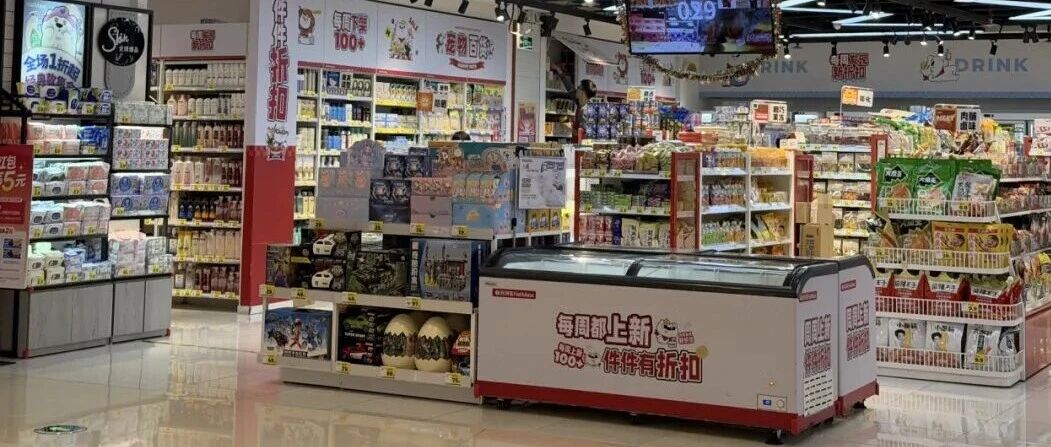
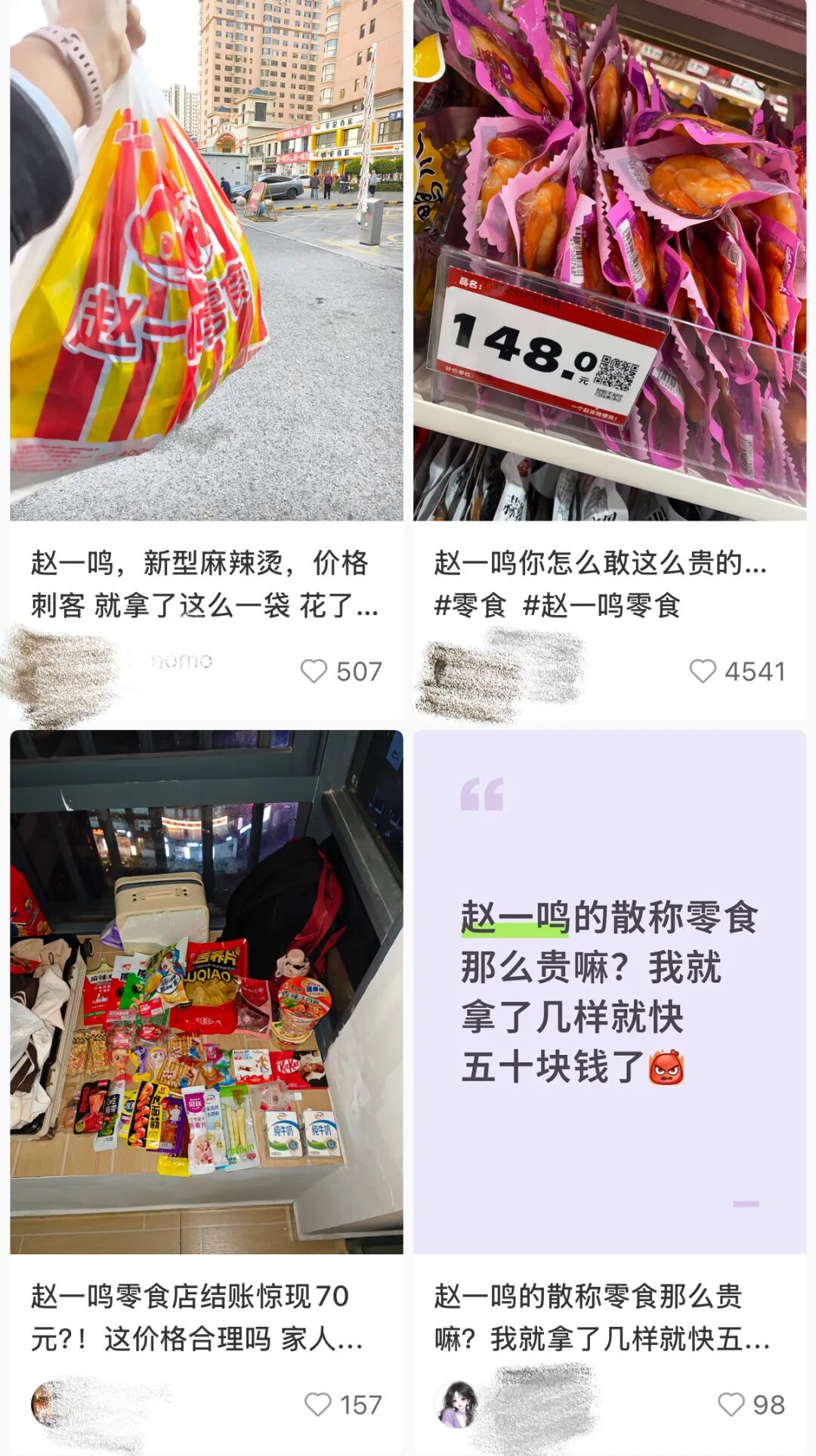
Core Insights - The discount snack market is experiencing explosive growth, with a market size increase from 40.8 billion to 1045.9 billion from 2019 to 2024, driven by young consumers [4][12] - The competitive landscape is intensifying, with major players like Meituan, JD, and Hema entering the market, putting pressure on traditional discount brands like Haote Mai [2][10] - Haote Mai, once a leading brand with nearly 1,000 stores, is now facing store closures and strategic contraction due to fierce competition and market challenges [1][2] Market Dynamics - The number of discount snack stores in China has surpassed 45,000, reflecting a growth of over 460% since 2022, indicating a rapidly expanding market driven by young consumers [12] - The demographic of consumers purchasing near-expiry products is predominantly young adults aged 19-35, who make up 65.5% of this market segment [13] - The market is projected to exceed 1500 billion by 2027, highlighting the potential for continued growth in the discount snack sector [13] Pricing and Product Quality - Many products in discount stores like Haote Mai are not significantly cheaper than those in regular supermarkets, with some items priced higher than their non-expired counterparts [3][4] - Consumer complaints regarding product quality, including issues with expired or moldy snacks, have been prevalent, indicating potential risks to brand reputation [6] - The low pricing strategy of discount snacks is largely based on selling near-expiry products and reducing supply chain costs, allowing for prices that are 20%-30% lower than traditional supermarkets [10] Competitive Landscape - The rapid expansion of brands like Zhao Yi Ming and Huan Huan has led to a significant increase in store numbers, with Zhao Yi Ming and other brands growing from 1,902 stores in 2022 to over 15,000 by mid-2025 [13] - The intense competition has resulted in some brands, including Haote Mai, closing stores and halting new franchise agreements to manage crisis situations [12][13] - The reliance on low prices and rapid expansion may not be sustainable, suggesting a need for brands to focus on product quality and supply chain optimization to build consumer trust [12]

千店巨头被传多地闭店,曾拿下5轮融资,品控频遭吐槽
21世纪经济报道· 2025-12-28 07:34
Core Viewpoint - The discount snack market is experiencing explosive growth, but competition is intensifying, leading to store closures among brands like Haotemai, which is struggling to maintain its position amidst fierce competition from both internet giants and traditional retailers [4][20]. Group 1: Market Dynamics - The discount snack market in China has seen its scale grow from 40.8 billion yuan in 2019 to 1,045.9 billion yuan in 2024 [10]. - The number of discount snack stores nationwide has surpassed 45,000, representing a growth of over 460% since 2022, driven primarily by young consumers [24]. - Young consumers aged 19-35 account for 65.5% of the consumption of near-expiry food products, making them the dominant demographic in this market [27]. Group 2: Competitive Landscape - Major players like Meituan, JD.com, and Hema are entering the discount snack sector, increasing competition for brands like Haotemai, which is now facing significant pressure to adapt [4]. - Haotemai, once a leader with nearly 1,000 stores, is now reportedly closing locations in key cities and has paused new franchise sign-ups [4][20]. - The rapid expansion of competitors such as Zhao Yiming Snacks and Wantian Group has led to a significant increase in store numbers, with Zhao Yiming reaching 9,189 stores and Wantian's brand "Haoxianglai" reaching 14,334 stores by mid-2025 [27]. Group 3: Pricing and Product Quality - Many products in discount snack stores, including Haotemai, are priced similarly to or even higher than regular supermarkets, raising questions about the actual value proposition of these stores [6][11]. - Complaints regarding product quality, including issues with expired or moldy snacks, have been prevalent among consumers, indicating potential risks to brand reputation [16]. - The low prices of discount snacks are primarily due to the sale of near-expiry products and a simplified supply chain that reduces costs by 20%-30% compared to traditional supermarkets [20].