
妙可蓝多奶酪棒

Search documents
千店巨头被传多地闭店,曾拿下5轮融资,品控频遭吐槽
2 1 Shi Ji Jing Ji Bao Dao· 2025-12-28 23:17
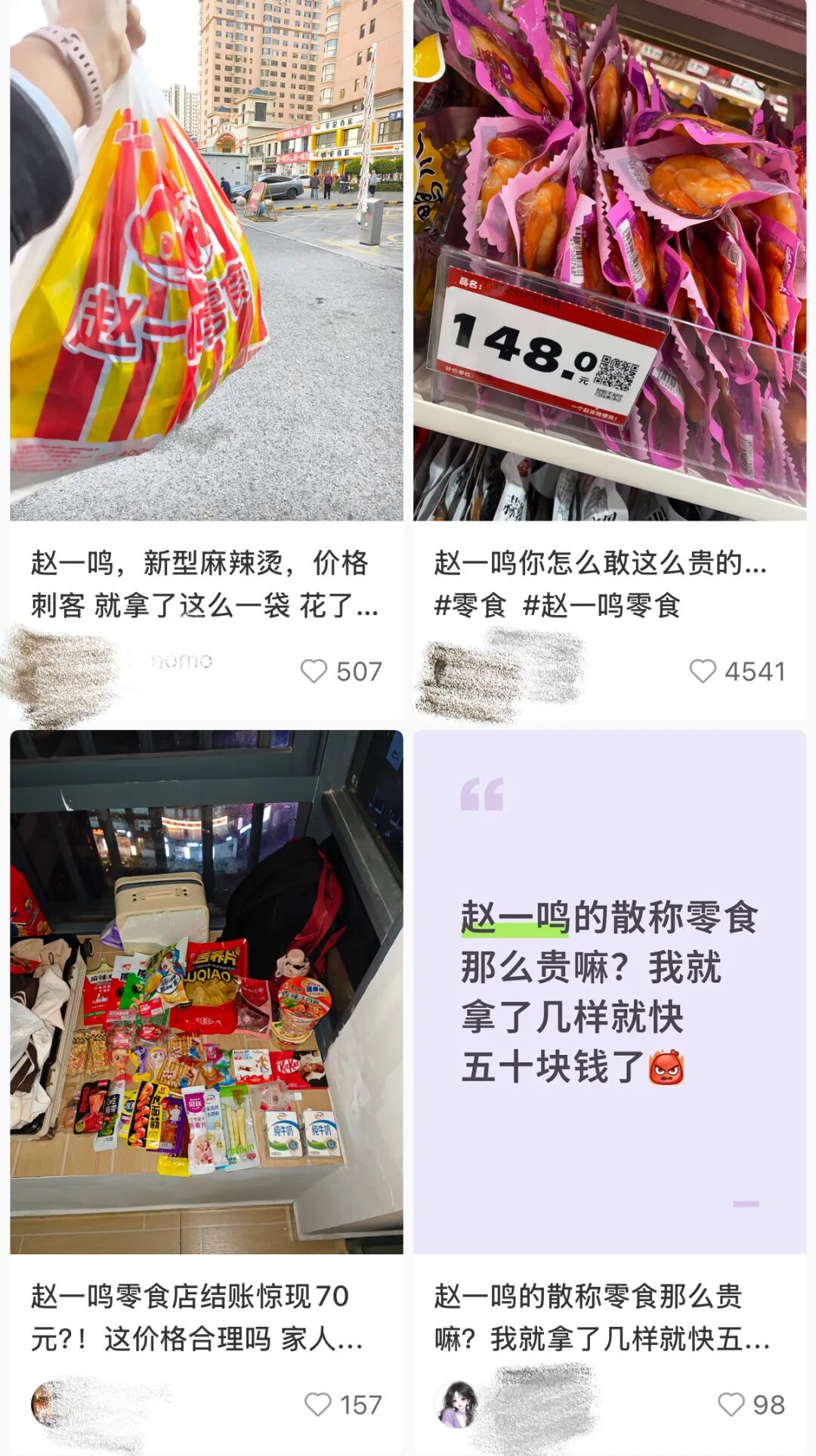
Core Insights - The discount snack market is experiencing explosive growth, with a market size increase from 40.8 billion to 1045.9 billion from 2019 to 2024, driven by young consumers [4][12] - The competitive landscape is intensifying, with major players like Meituan, JD, and Hema entering the market, putting pressure on traditional discount brands like Haote Mai [2][10] - Haote Mai, once a leading brand with nearly 1,000 stores, is now facing store closures and strategic contraction due to fierce competition and market challenges [1][2] Market Dynamics - The number of discount snack stores in China has surpassed 45,000, reflecting a growth of over 460% since 2022, indicating a rapidly expanding market driven by young consumers [12] - The demographic of consumers purchasing near-expiry products is predominantly young adults aged 19-35, who make up 65.5% of this market segment [13] - The market is projected to exceed 1500 billion by 2027, highlighting the potential for continued growth in the discount snack sector [13] Pricing and Product Quality - Many products in discount stores like Haote Mai are not significantly cheaper than those in regular supermarkets, with some items priced higher than their non-expired counterparts [3][4] - Consumer complaints regarding product quality, including issues with expired or moldy snacks, have been prevalent, indicating potential risks to brand reputation [6] - The low pricing strategy of discount snacks is largely based on selling near-expiry products and reducing supply chain costs, allowing for prices that are 20%-30% lower than traditional supermarkets [10] Competitive Landscape - The rapid expansion of brands like Zhao Yi Ming and Huan Huan has led to a significant increase in store numbers, with Zhao Yi Ming and other brands growing from 1,902 stores in 2022 to over 15,000 by mid-2025 [13] - The intense competition has resulted in some brands, including Haote Mai, closing stores and halting new franchise agreements to manage crisis situations [12][13] - The reliance on low prices and rapid expansion may not be sustainable, suggesting a need for brands to focus on product quality and supply chain optimization to build consumer trust [12]

千店巨头被传多地闭店,曾拿下5轮融资,品控频遭吐槽
21世纪经济报道· 2025-12-28 07:34
Core Viewpoint - The discount snack market is experiencing explosive growth, but competition is intensifying, leading to store closures among brands like Haotemai, which is struggling to maintain its position amidst fierce competition from both internet giants and traditional retailers [4][20]. Group 1: Market Dynamics - The discount snack market in China has seen its scale grow from 40.8 billion yuan in 2019 to 1,045.9 billion yuan in 2024 [10]. - The number of discount snack stores nationwide has surpassed 45,000, representing a growth of over 460% since 2022, driven primarily by young consumers [24]. - Young consumers aged 19-35 account for 65.5% of the consumption of near-expiry food products, making them the dominant demographic in this market [27]. Group 2: Competitive Landscape - Major players like Meituan, JD.com, and Hema are entering the discount snack sector, increasing competition for brands like Haotemai, which is now facing significant pressure to adapt [4]. - Haotemai, once a leader with nearly 1,000 stores, is now reportedly closing locations in key cities and has paused new franchise sign-ups [4][20]. - The rapid expansion of competitors such as Zhao Yiming Snacks and Wantian Group has led to a significant increase in store numbers, with Zhao Yiming reaching 9,189 stores and Wantian's brand "Haoxianglai" reaching 14,334 stores by mid-2025 [27]. Group 3: Pricing and Product Quality - Many products in discount snack stores, including Haotemai, are priced similarly to or even higher than regular supermarkets, raising questions about the actual value proposition of these stores [6][11]. - Complaints regarding product quality, including issues with expired or moldy snacks, have been prevalent among consumers, indicating potential risks to brand reputation [16]. - The low prices of discount snacks are primarily due to the sale of near-expiry products and a simplified supply chain that reduces costs by 20%-30% compared to traditional supermarkets [20].
“厦门帮”求生记
Hu Xiu· 2025-10-10 13:58
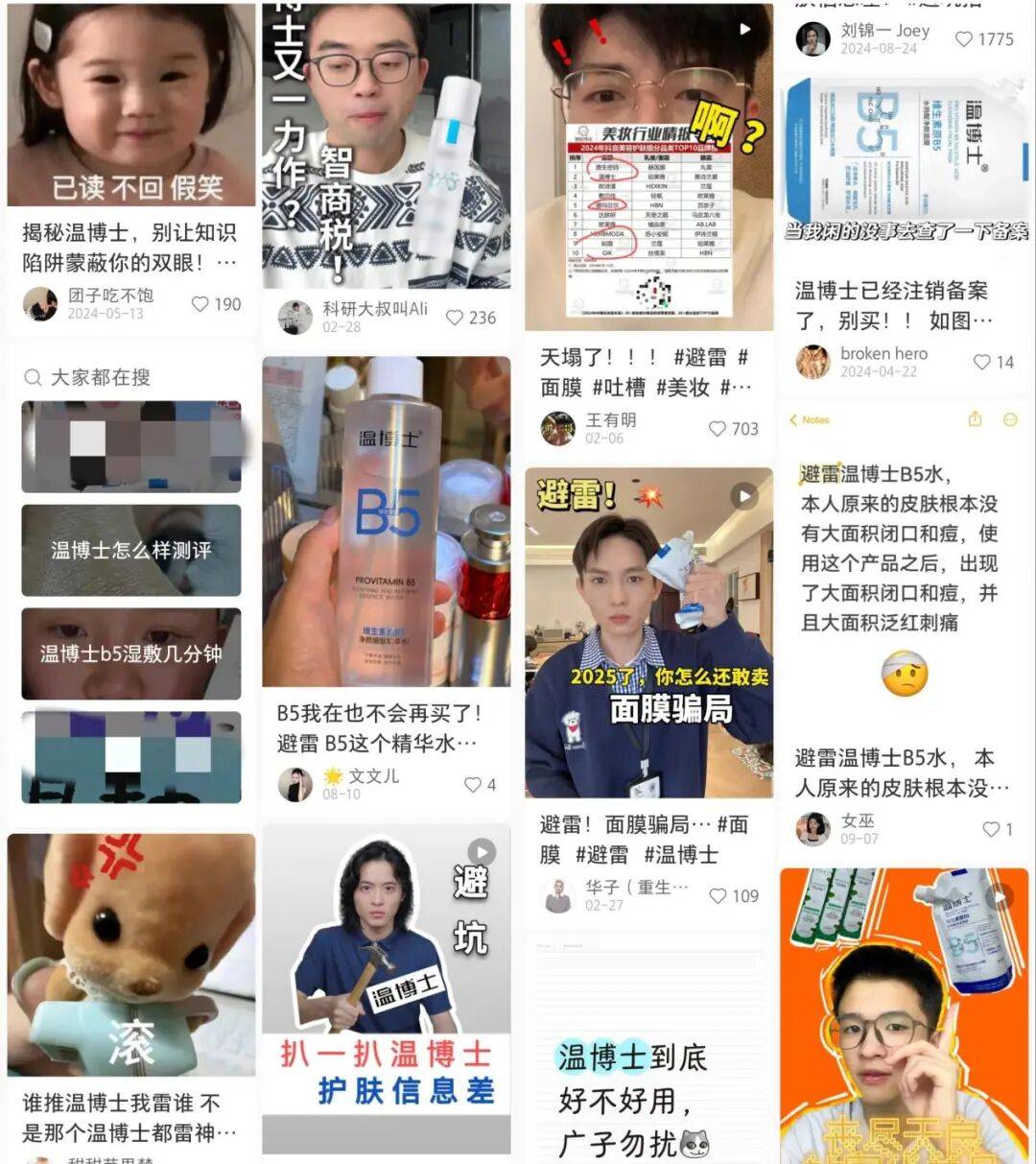
Core Insights - The "Xiamen Gang" has become a prominent name in the beauty industry, with many brands looking to adopt its strategies for channel and content operation [1][2] - The Xiamen Gang consists of companies deeply rooted in Xiamen, focusing on beauty and health, known for producing high-margin products and creating replicable white-label hits [1][2] - Despite the initial success, many brands attempting to replicate the Xiamen Gang's strategies in other regions have faced challenges and failures [3][4] Group 1: Industry Trends - The beauty industry is experiencing intense competition, prompting both established and emerging brands to learn from the Xiamen Gang's live-streaming e-commerce tactics [2] - The Xiamen Gang's approach has led to significant sales, with brands like 温博士 and VC achieving sales of 5 billion and 3.5 billion respectively in early 2024 [9] - However, rising traffic costs and stricter platform regulations have made it difficult for many white-label brands to maintain profitability [10][11] Group 2: Challenges and Transformations - The Xiamen Gang is undergoing significant changes, with leading companies like 海尼 and 跑红 focusing on brand transformation and reducing reliance on aggressive traffic spending [5][32] - Many workshop-style studios are diversifying into new sectors like education and health, seeking to replicate past successes in less competitive markets [6] - The shift in consumer behavior and increased scrutiny from platforms have led to a decline in the lifecycle of white-label products, with many failing to sustain sales momentum [16][17] Group 3: Brand Development and Strategy - The Xiamen Gang is increasingly prioritizing brand development, hiring brand consultants and reducing reliance on traffic-driven models [5][35] - Companies are investing in product quality and supply chain improvements, with some establishing their own research and development facilities [40][41] - The focus is shifting towards creating compelling content and leveraging KOC (Key Opinion Consumers) to enhance brand visibility and consumer trust [27][31] Group 4: Market Position and Future Outlook - Despite the challenges, there is a strong determination within the Xiamen Gang to establish respected brands, moving away from the "quick profit" mentality [46][47] - The transition to brand-focused operations is seen as a long-term strategy, with companies willing to invest in building a sustainable business model [46][47] - The Xiamen Gang's ability to adapt and innovate in response to market changes may lead to the emergence of successful beauty brands in the future [47]
一年输掉几十亿,她带出一堆徒弟,差点儿饿死自己
3 6 Ke· 2025-07-30 23:34
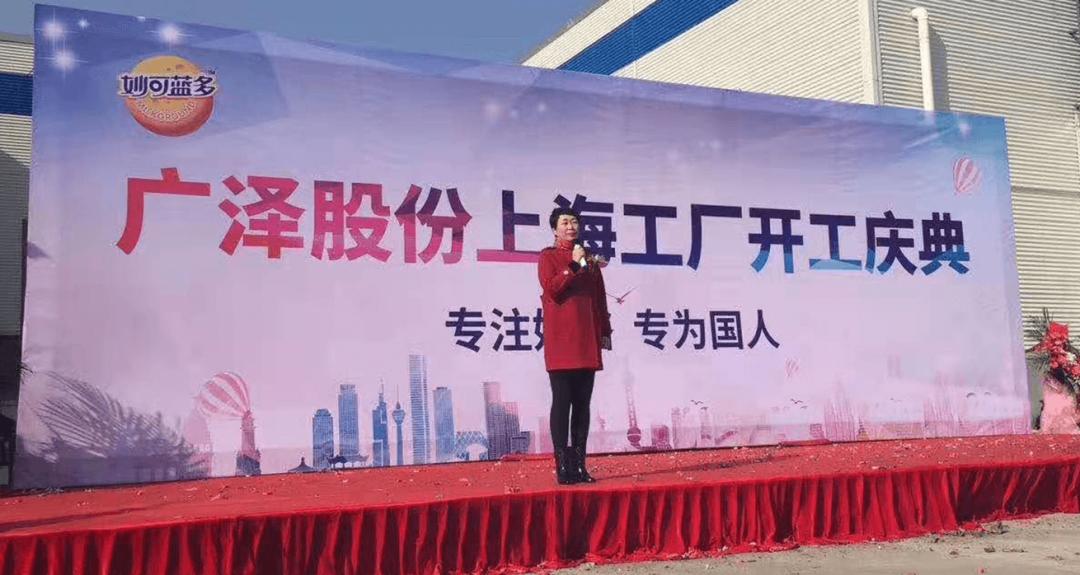
Core Insights - The article discusses the journey of Chai Xiu, who aimed to become the leader in the cheese market in China, successfully establishing her brand, Miaoke Landuo, but facing challenges from competitors and market dynamics [1][30]. Company Development - Chai Xiu started her business career in 1996, initially focusing on snack foods and later establishing Guangze Dairy, which became a leading brand in Jilin province with a market share of 90% [2][3]. - After recognizing the potential in the cheese segment, Guangze Dairy partnered with a French company in 2007 to acquire cheese production technology, marking its entry into the cheese market [4][5]. - In 2015, after years of preparation, Guangze Dairy made significant moves by acquiring companies and investing in advanced cheese production equipment, launching its first cheese product aimed at children [7][9]. Market Strategy - The company initially targeted lower-tier cities to build brand recognition before competing in major urban markets, avoiding direct competition with established foreign brands [10]. - A major marketing push in 2019, including high-frequency advertising campaigns, helped Miaoke Landuo capture significant market share, achieving a revenue of 12.26 billion yuan and a market share of 3.9% by 2018 [10][14]. Competitive Landscape - Following Miaoke Landuo's success, new competitors emerged, including Miaofei Foods and Cheese Doctor, both targeting similar market segments and employing aggressive marketing strategies [15][19]. - The competitive environment intensified, leading to price wars and increased marketing expenditures for Miaoke Landuo, which saw its marketing costs rise from 359 million yuan to over 1.15 billion yuan between 2019 and 2021 [20][21]. Financial Performance - Despite initial success, Miaoke Landuo faced declining market share and profitability due to increased competition and market saturation, leading to a significant drop in stock price and market value [22][23]. - In early 2025, the company reported a revenue of 12.33 billion yuan, a year-on-year increase of 6.26%, and a net profit of 823.97 million yuan, reflecting a strategic shift in its marketing and operational approach [24][25]. Future Outlook - The cheese market in China is projected to grow significantly, with the market size expected to exceed 300 billion yuan by 2025, driven by increasing consumer demand [29][30]. - Miaoke Landuo aims to maintain its leadership position in the expanding market, with ambitious revenue targets set for the next three years [27][30].
83亿破纪录收购案背后:分众如何催生百亿电梯媒介帝国?
吴晓波频道· 2025-04-26 16:55
文 / 袁一音 4 月 9 日,广告行业迎来重磅收购,在竞争多年之后,梯媒赛道霸主分众传媒斥资 83 亿元收购梯媒另一头部玩家新潮传媒,创下 中国户 外媒体并购案史上 数额之最。 电梯的优势 近些年,许多爆款品牌和营销语,如儿歌轰炸的妙可蓝多、霸屏的简醇零蔗糖酸奶,登顶童鞋品类的泰兰尼斯,都借助了电梯场景这个超 级加速器,成为经典案例。 走进任何一座写字楼的电梯,白领们都会放下手机,抬头凝视这些广告。这不是偶然,而是现代人对抗信息焦虑的一种本能选择。 凯度的研究揭示了一个反直觉的真相:在号称万物互联的时代,电梯这个物理空间竟实现了 79% 的触达率,比精心设计的互联网广告高出 数倍。这并非算法推演的虚拟覆盖,而是 5 亿都市人群每日必经的真实轨迹交汇。 整个广告界陷入哗然 —— 83 亿,几乎可以把中国的公交车广告、候车亭广告、机场广告、地铁广告、高铁广告五大户外广告龙头全部收 购,为何分众却只买了一个同赛道的新潮? 实际上,这场收购,不仅意味着线下流量版图重构,更揭示了广告行业的底层逻辑裂变 ——在互联网平台陷入"精准内卷"时,梯媒的"饱 和攻击 + 社会共识"正在成为品牌跳出流量竞争的关键。 今天,我们就 ...
