临期商品

Search documents
千店巨头被传多地闭店,曾拿下5轮融资,品控频遭吐槽
2 1 Shi Ji Jing Ji Bao Dao· 2025-12-28 23:17
Core Insights - The discount snack market is experiencing explosive growth, with a market size increase from 40.8 billion to 1045.9 billion from 2019 to 2024, driven by young consumers [4][12] - The competitive landscape is intensifying, with major players like Meituan, JD, and Hema entering the market, putting pressure on traditional discount brands like Haote Mai [2][10] - Haote Mai, once a leading brand with nearly 1,000 stores, is now facing store closures and strategic contraction due to fierce competition and market challenges [1][2] Market Dynamics - The number of discount snack stores in China has surpassed 45,000, reflecting a growth of over 460% since 2022, indicating a rapidly expanding market driven by young consumers [12] - The demographic of consumers purchasing near-expiry products is predominantly young adults aged 19-35, who make up 65.5% of this market segment [13] - The market is projected to exceed 1500 billion by 2027, highlighting the potential for continued growth in the discount snack sector [13] Pricing and Product Quality - Many products in discount stores like Haote Mai are not significantly cheaper than those in regular supermarkets, with some items priced higher than their non-expired counterparts [3][4] - Consumer complaints regarding product quality, including issues with expired or moldy snacks, have been prevalent, indicating potential risks to brand reputation [6] - The low pricing strategy of discount snacks is largely based on selling near-expiry products and reducing supply chain costs, allowing for prices that are 20%-30% lower than traditional supermarkets [10] Competitive Landscape - The rapid expansion of brands like Zhao Yi Ming and Huan Huan has led to a significant increase in store numbers, with Zhao Yi Ming and other brands growing from 1,902 stores in 2022 to over 15,000 by mid-2025 [13] - The intense competition has resulted in some brands, including Haote Mai, closing stores and halting new franchise agreements to manage crisis situations [12][13] - The reliance on low prices and rapid expansion may not be sustainable, suggesting a need for brands to focus on product quality and supply chain optimization to build consumer trust [12]

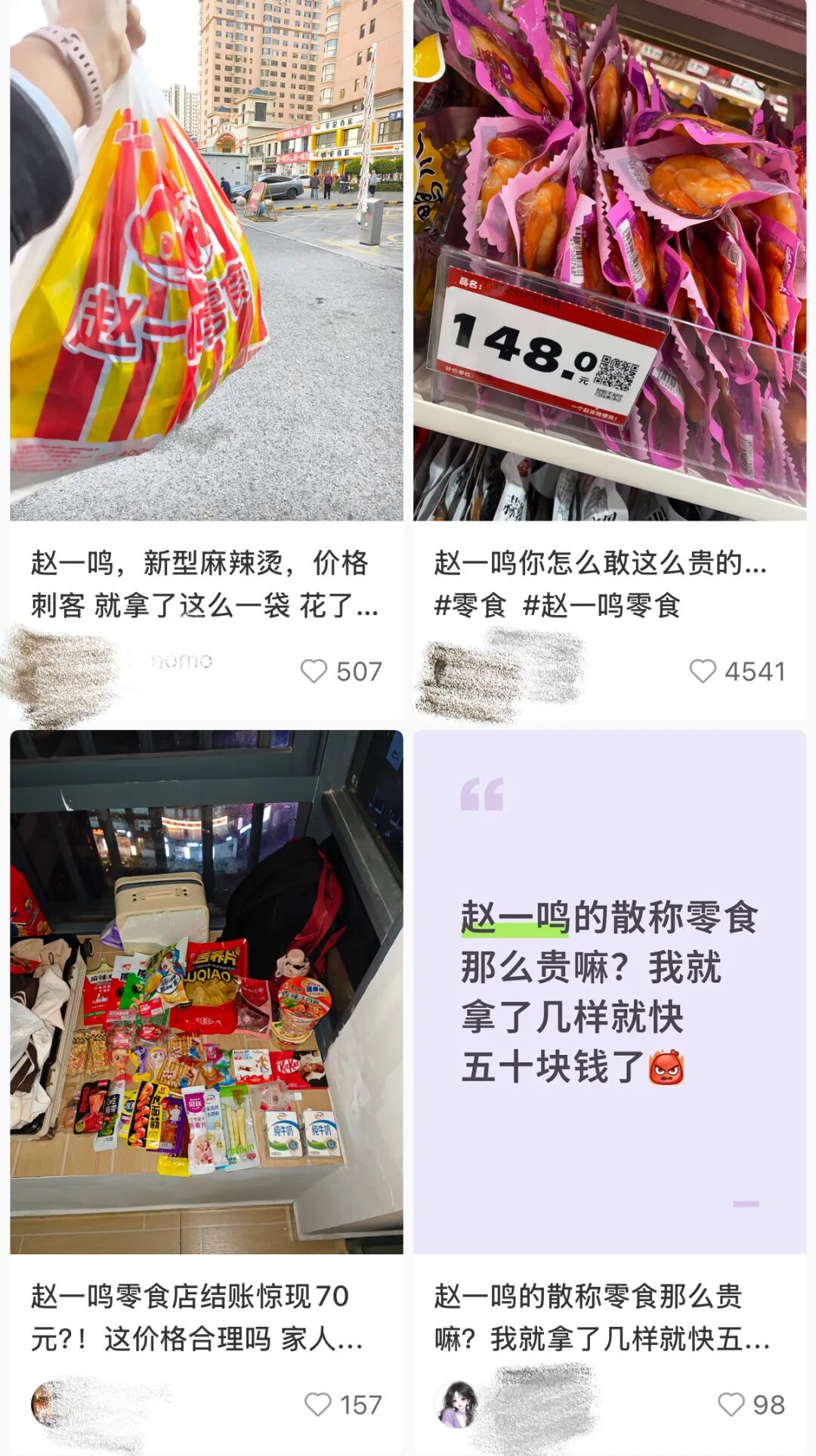
4年时间门店从0增至960家 全国开店的零食品牌 如今陷入闭店争议!官方回应:主动放缓是策略,不是叫停加盟
Mei Ri Jing Ji Xin Wen· 2025-12-28 16:28
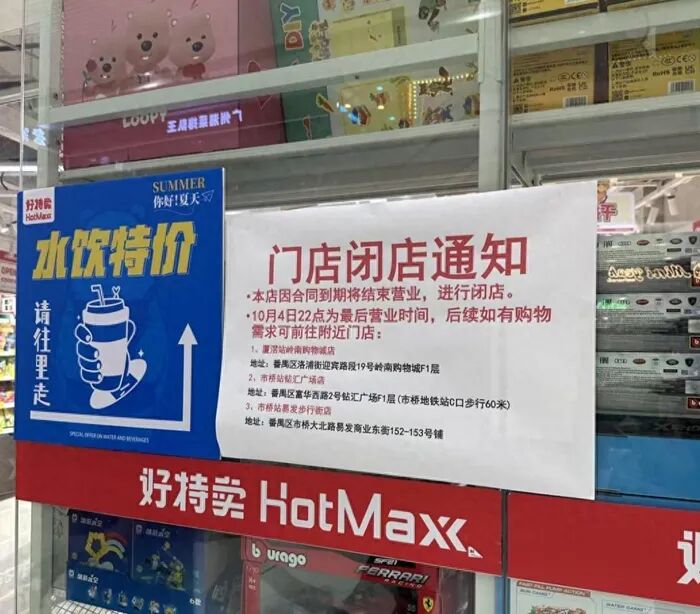
Core Viewpoint - The discount retail chain Haotemai is facing store closures in multiple cities, with new franchise applications being halted in some areas, indicating a significant slowdown in its expansion plans [1][2]. Group 1: Store Closures and Business Strategy - Haotemai is reportedly closing stores in major cities such as Guangzhou, Changsha, Hangzhou, and Beijing, with a projected reduction in new store openings to only a few dozen by 2025 [1][3]. - The company claims that the closure of stores is a normal operational choice by franchisees or direct stores, with an overall closure rate not exceeding 5% for the year [2]. - Internal sources indicate that closures are primarily due to issues like high rental costs, lease expirations, and poor performance of certain stores [2]. Group 2: Company Growth and Competition - Founded in 2020, Haotemai has rapidly expanded, opening nearly 1,000 stores within four years and securing five rounds of financing from various investors [3]. - As of December 18, 2025, the number of Haotemai stores is approximately 954, showing a noticeable slowdown in growth [3]. - The competitive landscape has intensified with major players like Meituan, JD.com, and Hema entering the discount snack market, increasing pressure on Haotemai's survival and growth [3]. Group 3: Product Pricing and Quality Issues - Haotemai's pricing for several snack products has lost its competitive edge, with prices comparable to those in regular supermarkets [4]. - Consumer complaints regarding product quality have surged, with reports of moldy and expired snacks being common on complaint platforms [6][10]. Group 4: Product Line Expansion - In response to competition, Haotemai has increased its focus on beauty products, with the SKU proportion rising from 10% to 14% and revenue share from 11% to 15% between 2020 and 2024 [11]. - The company has also ventured into the warehouse discount sector, opening its first super warehouse in Nanjing, which offers a wider range of products, although this model currently serves as a supplement to its main business [11].
山姆特供好丽友五折进好特卖,临期商店又把中产会员气到了
创业邦· 2025-09-06 03:24
Core Viewpoint - The article discusses the competitive dynamics between Sam's Club and a discount supermarket called "好特卖" (Hao Te Mai), highlighting how the latter has begun to offer similar products at lower prices, leading to dissatisfaction among Sam's Club members who pay for membership fees [7][10][12]. Group 1: Market Dynamics - Sam's Club has faced backlash after the introduction of a low-sugar version of a popular snack, which subsequently appeared at Hao Te Mai, leading to a perception of betrayal among its members [7][8][12]. - Hao Te Mai has been noted for selling products that are similar to those found at Sam's Club but at significantly lower prices, creating a shift in consumer trust and loyalty [10][18]. - The article suggests that Hao Te Mai is effectively leveraging Sam's Club's brand recognition to attract customers, positioning itself as a discount alternative [11][30]. Group 2: Product Strategy - Hao Te Mai's pricing strategy includes offering products at nearly half the price of Sam's Club, which has led to increased foot traffic and sales [17][18]. - The supermarket's inventory is primarily composed of unsold or near-expiry products, which allows it to maintain lower prices while appealing to cost-conscious consumers [40][60]. - The article notes that approximately 60% of Hao Te Mai's products are sourced from brand excess inventory, with a significant portion being near-expiry items [60][64]. Group 3: Consumer Behavior - Consumers are drawn to Hao Te Mai for the thrill of finding discounted products, often treating shopping there as a treasure hunt experience [64][65]. - The perception of buying near-expiry products has shifted towards a more sustainable lifestyle choice, appealing to environmentally conscious consumers [66][70]. - The article highlights that Hao Te Mai has successfully tapped into the male consumer market for beauty and personal care products, which is a relatively untapped demographic in this sector [56][58].