拟物化设计

Search documents
给 10 多年前的旧手机充上电,我见证了「刷机」时代的落幕……
3 6 Ke· 2026-02-23 07:36
Core Viewpoint - The article reflects on the evolution of Xiaomi's MIUI and its impact on the smartphone community, highlighting the transition from a vibrant modding culture to a more restrictive environment for device customization and unlocking [1][54]. Group 1: Xiaomi's Historical Impact - Xiaomi gained recognition in the modding community through MIUI, which was considered one of the best Android systems at the time, offering features that were ahead of its competitors [9][17]. - The launch of the Xiaomi 1S marked a significant expansion in the mid-range market, selling over 3 million units and showcasing Xiaomi's ambition to make smartphones accessible to a wider audience [4][18]. - The design language of MIUI evolved significantly, with MIUI V5 introducing a unique blend of skeuomorphic and flat design elements, which was innovative compared to the prevailing Holo Design of the time [12][14]. Group 2: Technological Advancements - The Xiaomi 1S featured a dual-system partition that prevented bricking and allowed for separate OTA updates, a functionality that was not available in Google's official offerings until years later [17]. - The introduction of the Redmi Note in 2014 coincided with the rollout of 4G in China, marking a pivotal moment in the smartphone market as it catered to the demand for larger screens and better performance [18][20]. - The Redmi Note utilized the Snapdragon 400 processor, which was a significant upgrade at the time, and its specifications allowed it to compete effectively in the mid-range segment [20][23]. Group 3: Community and Market Changes - The modding community, once vibrant and innovative, has seen a decline due to increased restrictions from manufacturers, leading to a fragmented user base and a shift in focus towards mainstream usage rather than customization [50][54]. - The article notes that the commercialization of modding efforts has largely failed, with the community shrinking as manufacturers tighten control over device unlocking and customization [54][56]. - The nostalgia for the early days of Android and the modding culture is contrasted with the current state of the industry, where customization options are limited and the focus has shifted to standardized user experiences [56].


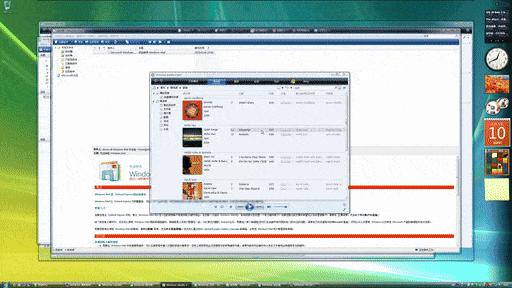
18年后回看Windows Vista:它真的那么糟糕吗?
3 6 Ke· 2025-07-17 11:02
Core Viewpoint - The article discusses the design evolution of operating systems, particularly focusing on the parallels between Apple's iOS 26/macOS 26 and Microsoft's Windows Vista, highlighting how both systems reflect their respective eras' design philosophies and user expectations [2][60]. Design Style - Windows Vista introduced the Windows Aero interface, marking a significant upgrade in visual design since Windows 95, incorporating elements like transparency, reflections, and dynamic effects [5][21]. - The Frutiger Aero aesthetic, named after Swiss designer Adrian Frutiger, emphasizes a realistic, tactile interface with glass-like qualities and natural elements, which has influenced modern design trends [9][13]. Technical Innovations - Windows Vista was a major overhaul of the Windows operating system, introducing new technologies such as User Account Control (UAC) for enhanced security, DirectX 10 for improved graphics rendering, and Desktop Window Manager (DWM) for better window management [24][28][39]. - The introduction of SuperFetch and ReadyBoost aimed to optimize performance on systems with limited hardware capabilities, although they faced criticism for their effectiveness [32][34]. Market Reception - Despite its innovative features, Windows Vista faced significant backlash due to high hardware requirements, compatibility issues, and a steep learning curve for users accustomed to Windows XP, leading to its poor market performance [41][46][60]. - The article draws a comparison to iOS 26, which, like Vista, introduces advanced visual effects and permissions management that may challenge users' hardware capabilities and expectations [54][55]. User Experience - The frequent permission prompts in Vista's UAC system negatively impacted user experience, a lesson that Apple seems to have learned as users today are more accustomed to similar permission requests in iOS 26 [55][59]. - The article suggests that while Vista was ahead of its time, the current environment allows for a more favorable reception of similar innovations in iOS 26 due to improved hardware and user familiarity with such features [60][61].